



A musty smell coming from under your house is usually a moisture problem, not just an odor problem. Mold, damp soil, wet insulation, a slow leak, or animal activity can each create it. The fix depends on which one you have. You might wonder, "why does my crawl space smell musty?" after the odor gets stronger in humid weather or after a storm. A musty crawl space smell in your house can also show up on the first floor, in closets, or near floor vents. This guide covers the causes, the fixes, and when to call a pro.
What Causes a Musty Smell in a Crawl Space?
A musty smell in a crawl space usually means something is staying wet long enough to support mold, mildew, or decay. The sources below are common, and more than one can be active at the same time.

Mold and Mildew Growing on Damp Surfaces
Mold needs moisture, and a crawl space offers plenty. When wood, insulation, or soil stays damp, mold and mildew take hold and give off that stale odor. The EPA's guide to mold and moisture says the key to controlling mold is controlling moisture.
Standing Water, Rodents, or Decaying Organic Material
Puddles, rodent nests, and rotting wood all smell musty or sour. Standing water breeds microbes, and mice leave droppings and urine.
Leaky Pipes and Bulk Water After Rain
Slow plumbing leaks can soak insulation and soil for weeks. Rain adds more water through foundation walls, vents, and low spots in the yard. Trace the water to its entry point before you fix anything else.
Damp Air Entering Through Openings and Condensation on Cold Surfaces
Warm, humid air slips in through vents, gaps, and open access doors. It hits cool ducts, pipes, and framing, then turns into water. That condensation keeps materials wet even when the weather is dry.
Does a Musty Smell Always Mean Mold?
Not always. Rotting wood, wet soil, and animal waste smell musty too. Still, treat the odor as a warning that moisture is present. Check crawl space wood moisture readings to see if your framing is at risk.
How to Find the Source of the Smell
Finding the source starts with following the smell to its strongest point and checking what is wet nearby. A careful inspection, a read of the odor itself, and two inexpensive tools (a hygrometer and a moisture meter) usually narrow the cause. Work through the three steps below in order.
Visual Inspection: What to Look For
Check from the access opening first. Do not enter if you suspect a gas leak, see damaged wiring or sagging structural members, or find standing water that may contact electrical equipment. For a safe, accessible inspection where mold may be present, wear an N95 respirator, gloves, eye protection, and sturdy boots, and bring a bright flashlight. Look for dark or fuzzy spots, wet insulation, sagging subfloor, puddles, stained soil, and droppings. Photograph what you can without disturbing suspect materials.
Musty vs. Sewage vs. Dead-Animal: Telling Odors Apart
Not every bad smell from a crawl space is a moisture smell, and some call for a different response. Match the odor to the table below before you start cleaning.
|
Odor |
What it may point to |
First step |
|
Musty, earthy, or damp-basement smell |
Mold or mildew, damp materials, or wood that stays wet |
Find and fix the moisture source (covered in the sections ahead) |
|
Rotten eggs or sulfur |
Natural gas, which has an added odorant, or sewer gas |
Treat it as a possible gas leak: leave the building, then call 911 and your gas utility from a safe place |
|
Sewage smell near drains or plumbing |
Sewer gas from a dried-out drain trap or a drain problem |
Have a plumber inspect traps and drain lines |
|
Sharp, sour, rotting smell strongest in one spot, sometimes with flies |
A dead animal or heavy animal waste |
Locate the source, wear protective gear, and call a pest professional for large infestations |
If you suspect a gas leak, do not enter the crawl space or use a flashlight, electrical switches, or other devices to investigate. Leave the building and call 911 and your gas utility from a safe location.
When a Moisture Meter or Hygrometer Helps
Your nose can't measure moisture. A hygrometer reads relative humidity (RH), and a pin-type meter reads wood moisture. Federal Building America guidance targets 30% to 50% RH in a conditioned crawl space.
Why the Smell Spreads Into Your House and What to Do About It
The Stack Effect (Passive Air Movement)
When indoor air is warmer than outdoor air, it can rise and escape through the upper levels, drawing replacement air in from below. Crawl space odors may travel with that air through gaps around pipes, wiring, and floor framing. The direction and strength of this flow depend on indoor and outdoor temperatures; wind and exhaust fans can also affect how odors reach your living space.
Leaky Ductwork (The Active Cause)
Leaky return ducts pull crawl space air straight into your system, and the fan spreads it to every room. ENERGY STAR reports that the typical home loses 20% to 30% of its duct air to leaks. Seal seams with mastic or metal tape, not cloth duct tape.
How to Get Rid of a Musty Crawl Space Smell
The lasting fix is to remove what is wet or polluted, then control the moisture behind it. Fix any active water source first. EPA warns that if you clean up mold but don't fix the water problem, the mold will most likely come back.

Remove Wet Materials and Clean Visible Mold
Dry or discard wet materials, especially insulation, within 24 to 48 hours. The EPA says most homeowners can clean mold patches under about 10 square feet. Larger growth calls for crawl space mold remediation or a professional. If water soaked in, start by drying out the crawl space after water damage.
Improve Airflow and Ventilation
Stagnant air traps moisture, but more vents don't always help. In humid weather, ventilation fans can backfire by pulling in damp outdoor air. Fans help only when outdoor air is drier than the air below your floor.
Install or Repair the Vapor Barrier
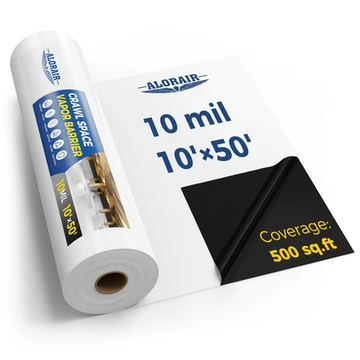
What a vapor barrier does is simple: it blocks ground moisture from rising into the space. Choose thick polyethylene sheeting, 10 mil or more. Overlap seams by at least 12 inches, tape them, and seal the edges to the walls.
Install a Sump Pump Where Water Collects
If water pools, a sump pump moves it out. Set the pit at the lowest point and use a sealed lid and a check valve. Add a battery backup for storms and a water alarm.
Close Off Entry Points for Pests
Mice can slip through gaps as small as 1/4 inch. Seal small holes with steel wool secured with caulk, and cover vents with suitable metal hardware cloth. For small amounts of droppings in a safely accessible area, wear rubber or plastic gloves, thoroughly wet the waste with an EPA-registered disinfectant, and leave it for 5 minutes or the contact time on the label before wiping it up with paper towels. Dispose of the waste and wash your hands after removing the gloves. Do not sweep or vacuum untreated droppings. Use a pest professional for heavy contamination or an area you cannot safely access or ventilate.
Why Odor Treatments Don't Replace Moisture Repairs
Air fresheners may mask the smell, and some odor treatments may reduce certain odor compounds, but neither replaces removing contaminated materials and fixing the moisture source. If the source remains, the smell can return. EPA warns that ozone can damage the lungs and that, at concentrations within public-health limits, it has little potential to remove indoor air contaminants.
What to Do if the Smell Gets Worse After Rain
Grading and Exterior Drainage Problems
A musty smell in a crawl space after rain points to water coming in from outside. Soil should slope away from the house, about 5% over the first 10 feet. Extend downspouts at least 10 feet out. If yard fixes fall short, you may need to address crawl space water and drainage problems from inside, too.
Gaps or Tears in the Vapor Barrier
Rain raises soil moisture, and a damaged barrier lets that moisture rise. Look for torn sections, open seams, and gaps at walls and piers. Patch them with matching material and tape every seam.
Will a Crawl Space Dehumidifier Remove the Smell?
A crawl space dehumidifier can reduce a musty smell caused by high humidity, but it will not remove odors from existing mold, wet materials, animal waste, or sewage. It works by changing the moisture conditions that let those odors develop.
What a Dehumidifier Fixes
A dehumidifier pulls moisture from the air, so mold and mildew stop spreading. As the air dries, the smell fades. That's why a dehumidifier helps with smell indirectly: it removes the cause, not the odor itself. Run it after you fix leaks.
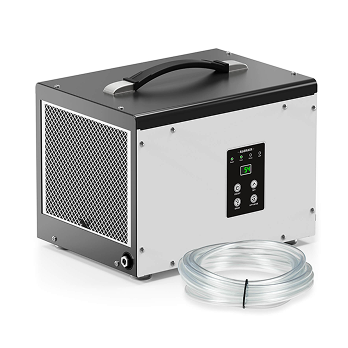
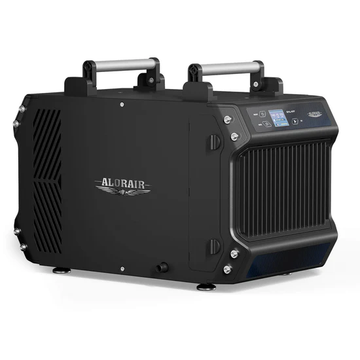
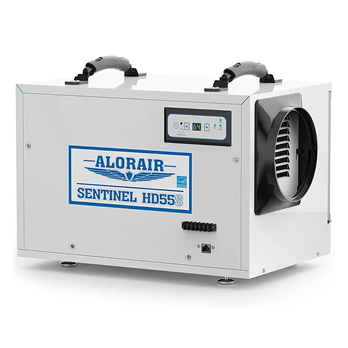
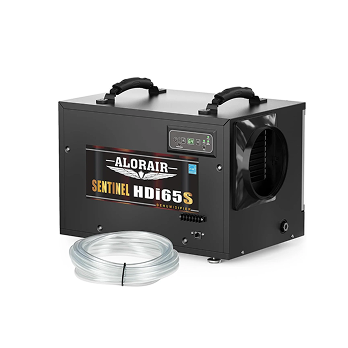
Size matters, though. A small unit runs nonstop in a big space and still can't keep up, and cool air slows output further. AlorAir's crawl space and basement dehumidifiers run from 70 to 235 pints per day (PPD) and are designed to fit tight, damp spaces. The collection lists cETL certification, rugged metal casings, automatic defrost for cooler conditions, and gravity or built-in pump drainage. WiFi versions report humidity through the AlorAir-C app.
What It Can't Fix on Its Own
-
Active leaks and standing water. It removes moisture from the air, not liquid water from the floor. If water keeps entering, the unit may run without ever reaching its target.
-
Existing mold or rotted wood. Lower humidity stops new growth, but EPA says dead or dormant mold must still be removed.
-
Animal waste, carcasses, sewage, or gas smells. These are not humidity problems.
-
An undersized unit or an open crawl space. If it runs constantly without reaching its target, look for an active moisture source or a capacity mismatch before you lower the setting.
Fix those first. Dehumidifiers help control mold and odors best as part of a full plan.
How to Keep the Musty Smell From Coming Back
Here's how to keep a crawl space from smelling musty once the repairs are done.
Encapsulation as the Long-Term Fix
Encapsulation seals the ground cover, walls, vents, and other openings to limit ground moisture and humid outdoor air entering the crawl space. The design also needs a way to control humidity, often a dehumidifier or an appropriate conditioned-air system. It costs more than patching, but it can address persistent moisture entry when combined with drainage repairs. Prices vary, so review the materials, labor, and humidity-control equipment before you budget.
Dehumidifier Maintenance and Humidity Targets
Hold the ideal crawl space humidity range of 30% to 50% RH, and check your hygrometer weekly. Follow the manual's cleaning schedule and keep the drain line clear. If readings climb, look for a new leak before blaming the unit.
Keeping Exterior Drainage Clear
Clean gutters each spring and fall. Keep downspout extensions in place, and pull mulch and soil back from the foundation. After heavy storms, walk the perimeter and look for pooling water.
When to Call a Professional
Call a professional when the source is hidden, the damage is structural, or the contamination is more than you can safely clean.
Signs the Problem Is Bigger Than a DIY Fix
These signs point to professional help:
-
Mold covering more than about 10 square feet, or suspected hidden mold. EPA suggests considering an experienced professional for hidden mold.
-
Sewage or contaminated water. EPA says to call a professional with experience in contaminated water damage.
-
Suspected mold in the ductwork. EPA advises not running an HVAC system you suspect is moldy.
-
Soft, sagging, or rotted framing, or sagging floors. The Building America guide says extensive wood damage may need structural repair.
-
Standing water that keeps returning, or groundwater flowing against the foundation. You may need waterproofing and perimeter drains.
-
Heavy rodent activity or large amounts of droppings. CDC calls for extra precautions in heavy infestations.
-
Old pipe or duct wrap that may contain asbestos. Hire a certified abatement firm.
-
A rotten-egg smell. Leave the building and call 911 and your gas utility, as described earlier.
-
A smell that persists after cleaning, drying, and bringing humidity into range, which may indicate a hidden source.
Health Symptoms Worth Taking Seriously
Mold can cause a stuffy nose, coughing, wheezing, and eye or skin irritation, according to the CDC. People with asthma or allergies often react more strongly. If symptoms flare at home and ease elsewhere, talk with a doctor.
Frequently Asked Questions
Does a musty crawl space smell always mean mold?
No. Wet soil, rotting wood, and animal waste can smell the same. Still, treat the odor as a sign of excess moisture, and check for mold.
Can crawl space odors spread into the house?
Yes. Air moves up through floor gaps and leaky return ducts, carrying odors with it. Sealing gaps and ducts slows that flow.
Will a dehumidifier get rid of crawl space odor?
It can, when moisture is the cause. Drying the air stops mold growth, and the smell often fades over time. It won't remove existing mold, standing water, or animal waste.
Does encapsulation stop a musty crawl space smell?
It often helps, since it blocks ground moisture and outside air. Leaks and standing water still need separate repairs.
Why does the smell return after rain?
Rain sends water through poor grading, clogged gutters, or torn barriers. Fix the entry point, then keep a dehumidifier running.
Conclusion
A musty crawl space smell is a moisture signal, and the lasting fix follows the moisture. The answer to how to get rid of musty smell in crawl space areas starts with finding the source: a leak, rain entering through poor drainage, bare soil, humid air, mold, or animal activity. Then remove what is wet or contaminated, repair the ground cover and drainage, seal the pathways into your house, and close off entry points for pests.
Ready to Stop the Smell for Good?
A dehumidifier sized for your space keeps humidity in check day after day. Browse AlorAir's crawl space dehumidifier range, or start with the compact HD35P for spaces up to 1,000 sq ft. Pick your unit today, and give your crawl space a fresh start.


