
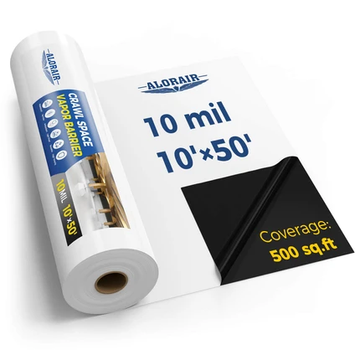



Grab a flashlight and peek into your crawl space. You’ll probably see bare dirt, a ragged sheet of plastic, or a concrete slab. You may be asking yourself, do I need a vapor barrier in my crawl space? If you see bare soil, usually yes, even when it looks dry. If you see plastic or concrete, check what’s there before you add more. A ground barrier slows moisture vapor from the soil. It won’t fix leaks or clear standing water. That leaves three possible next steps:
- Install appropriate ground vapor control.
- Repair or improve existing coverage.
- Investigate water or construction conditions first.
This guide helps you decide which one fits your crawl space.
Does My Crawl Space Need a Vapor Barrier?
If your crawl space has exposed soil, it usually needs ground vapor control, even if the soil looks dry. If plastic or concrete already covers the ground, check whether what’s already down there is doing the job before adding another layer. Use the table below to choose your next step.
| Condition | What to check | Why it matters |
|---|---|---|
| Exposed dirt floor | How much soil is open | Bare soil can release vapor even when it looks dry. |
| Vented crawl space | Ground coverage and vent air | Vents swap air. They don’t stop vapor leaving the soil. |
| Properly closed crawl space | The planned ground-control system and its condition | The design may already include ground coverage. Verify first. |
| Concrete floor | Slab assembly, records, signs of moisture | A slab doesn’t prove good vapor control, and a membrane over it isn’t automatic. |
| Existing membrane | Coverage, seams, edges, damage | Condition decides: leave, patch, or replace. |
| Unknown construction | What’s under and around the floor | Confirm through inspection or a professional. |
Why Exposed Soil Calls for Assessment, Even When It Looks Dry
Soil that looks dry can still release moisture vapor into the crawl space air. A dry look on inspection day says little about conditions across the seasons. You also don’t need visible mold or a musty smell to justify checking ground moisture.


How Vented Crawl Spaces Fit In
Vents and ground cover handle different moisture pathways. A vented crawl space with exposed soil still benefits from a ground vapor barrier. The Department of Energy recommends ground cover in both vented and unvented crawl spaces.
In humid climates, vent air can also carry warm, moist outdoor air in. Model codes like the International Residential Code (IRC) allow smaller vent areas over a Class I vapor retarder, but states amend these rules.
Why a Slab or Existing Membrane Still Needs Checking
A concrete floor covers the soil, but it doesn’t tell you whether a vapor retarder was installed underneath or how well the slab limits vapor. Before adding a crawl space vapor barrier over concrete, review any construction records and check for dampness, water entry, and moisture-sensitive materials above it.
An existing membrane gets the same inspection: check coverage and condition first. Missing construction records are not a reason to add another membrane by default. They are a reason to confirm what’s already there.
What Does a Crawl Space Vapor Barrier Actually Do?
A low-permeance ground covering cuts the moisture vapor moving from soil into the crawl space. Permeance, measured in perms, tells you how easily vapor passes through a material. Model codes treat a material as Class I at 0.1 perm or less.
What It Does Not Do
A ground vapor barrier does not:
- Repair plumbing leaks.
- Remove standing water.
- Replace drainage.
- Control every source of airborne moisture, such as humid outdoor air.
- Remove existing mold. The EPA says mold control comes down to moisture control: clean up the mold and fix the water problem.
An ordinary membrane isn’t a radon fix either. Crawl space radon reduction usually relies on a sub-membrane depressurization system: a sealed membrane plus piping and a fan that vents soil gas outdoors.
What Should You Fix Before Installing One?
Fix active water first. A ground barrier covers soil. It doesn’t solve a water problem, and covering one can hide it.
- Standing water: Do not cover it. Find where it comes from before anything else.
- Rain-related seepage: Water that appears after storms is liquid-water intrusion, which a vapor barrier does not stop.
- Plumbing leaks: Leaks need repair before any ground covering goes down.
- Drainage defects: Water directed toward the foundation points to a site problem, not a vapor problem.
- Pest activity: Pests can damage new coverage and may signal other conditions worth assessing.
- Damaged or contaminated materials: Wet, deteriorated, or contaminated wood, insulation, or debris need evaluation first.
- Debris or sharp objects: Rocks, scrap material, and protruding items can puncture a membrane.
If any item applies, fix or investigate it before you install. Water, structural damage, or contamination may require a professional. Can’t tell where the water comes from? Start with the common causes and signs of crawl space moisture and trace it back.
Is a Vapor Barrier the Same as Encapsulation?
No. In the crawl space vapor barrier vs encapsulation debate, a ground vapor barrier handles one main job: reducing moisture vapor from the soil. A crawl space encapsulation system combines ground coverage with air sealing and humidity management, plus drainage and insulation where needed.
The IRC’s unvented provisions require a continuous Class I vapor retarder over exposed earth along with an approved drying or conditioning approach and other applicable details. A sheet alone does not make a closed crawl space. It is one part of the system.
How Can You Tell If Your Existing Vapor Barrier Is Adequate?
Check coverage and connections first, then damage and surrounding conditions. After that, pick repair, replacement, or more assessment.
Check Coverage and Connections
Installation quality matters as much as the material. DOE calls for lapped, sealed seams and sealed pipe penetrations. In accessible areas, look for:
- Exposed soil.
- Gaps around piers or penetrations.
- Separated seams.
- Detached edges.
- Displaced sections.
Check Damage and Conditions Around the Barrier
Look for tears, punctures, and damage from maintenance traffic or pests. Check for water collecting above or beneath the membrane, unresolved contamination, and damage that keeps coming back. If patches keep failing, look for the cause (rough ground, loose material, service traffic, or pests) before replacing the whole sheet. Don’t lay another membrane over standing water.

Decide Whether to Repair or Replace the Crawl Space Vapor Barrier
Localized damage may be repairable with compatible materials when the rest of the system still works. Extensive damage, an unsuitable material, or poor coverage may justify replacement or redesign. An intact barrier doesn’t need replacing just because it’s old. Unsure which you have? Get a professional assessment.
What Matters When Choosing a Vapor Barrier?
No single spec fits every home, so match the product to your crawl space and the way it is used. Focus on these factors:
- Documented vapor permeance: Look for a published rating, not a marketing claim.
- Suitability for the application: Confirm the product is intended for ground contact in a crawl space.
- Puncture and tear resistance: Soil, rough surfaces, and stray debris all test a membrane.
- Expected maintenance traffic: Crawl spaces used for service access need more durable coverage than ones rarely entered.
- Compatible sealing and attachment products: Tapes, sealants, and fasteners should suit the membrane.
- Applicable project requirements: Check local code and any manufacturer or design requirements.
Thickness is one factor, not the whole story. It’s usually quoted in mils (thousandths of an inch), not millimeters. A thick sheet with weak seams can lose to a thinner one installed well.
Why Can Moisture Problems Remain After Installation?
Because ground vapor is only one moisture pathway. The new barrier may also still have gaps. If humidity stays high after installation, check the coverage and connections first, then look for leaks, humid air coming in through vents or gaps, and previously wet materials.
Possible Remaining Sources
- Incomplete or damaged ground coverage: Gaps, unsealed seams, or detached edges let vapor bypass the sheet.
- Plumbing leaks or exterior water entry: Leaking condensate lines and water moving through foundation walls are separate sources from soil vapor.
- Outdoor-air moisture: In humid climates, warm, moist air entering through vents can condense on cooler framing.
- Previously wet materials: Wood and insulation that absorbed moisture earlier can keep releasing it.
- An incomplete moisture-management design: Ground coverage without water, air, and humidity control may leave gaps.
Humidity alone can’t name the source. Relative humidity (RH) shows how damp the air is, not why. Record temperature and RH in the same locations, noting rain, condensation, and new wet spots. Compare the trend with these crawl space humidity ranges, then check the materials themselves. A normal air reading does not prove that previously wet wood or insulation has dried.
Water on top of the membrane may come from a plumbing leak, rain entry, or condensation. Water underneath needs its own source and drainage check. Note where it collects and when it appears; don’t assume a thicker sheet will solve either problem.
Where a Dehumidifier Fits
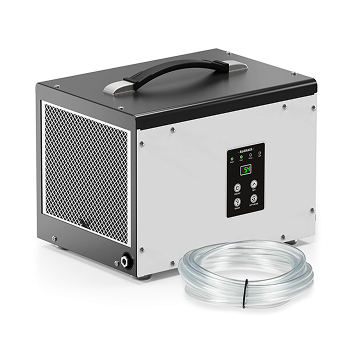
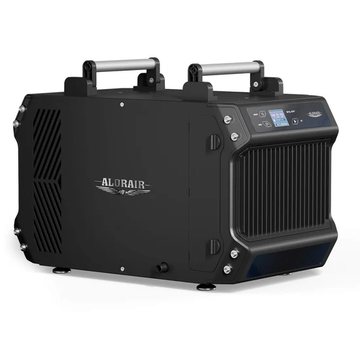
A crawl space dehumidifier may help manage airborne moisture when it suits the design and your measured conditions. It doesn’t replace ground vapor control, and it doesn’t manage liquid water.
FAQs
Do I need a vapor barrier if my crawl space looks dry?
Usually yes if the ground is exposed soil. Bare earth can release water vapor without looking wet, and one dry inspection does not show year-round conditions. If the floor already has a membrane or slab, check that existing assembly before adding another layer.
Does a vented crawl space still need ground vapor control?
Yes, exposed soil generally still needs ground vapor control. Vents exchange air; they do not stop water vapor leaving the soil. DOE recommends ground cover in both vented and unvented crawl spaces. Keep the vent arrangement consistent with the crawl space design and applicable local requirements.
Do I need a vapor barrier over a concrete crawl space floor?
It depends. Review the slab assembly, any construction records, and signs of moisture first. A slab doesn’t prove adequate vapor control, and an above-slab membrane isn’t automatically the right fix. If the cause is unclear, call a professional.
Can a dehumidifier replace a crawl space vapor barrier?
No. A ground vapor barrier cuts vapor entering from the soil. A dehumidifier removes moisture already in the air. It may help with airborne humidity when it fits the design, but it won’t stop ground vapor or handle liquid water.
How often should a crawl space vapor barrier be replaced?
There’s no single schedule. An intact, well-connected barrier doesn’t need replacing because of age. Inspect it periodically for damage, coverage, seams, edges, and fit. Then repair or replace based on what you find, not on a calendar.
Conclusion: Start With the Ground, Then Dry the Air
So, do I need a vapor barrier in my crawl space? With exposed soil, usually yes. With a membrane or slab already down, inspect first. Keep sound coverage, repair localized damage, and replace material that no longer does the job. Fix leaks and standing water before covering the ground, because a ground barrier handles soil vapor, not leaks.
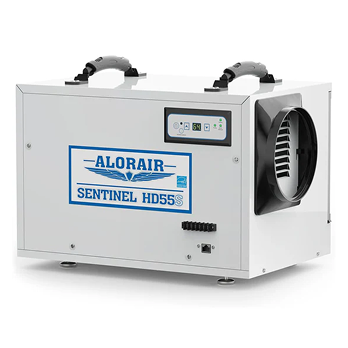
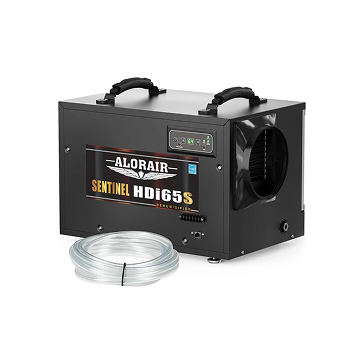
Bare soil is only half the story. Say the sheet is sound and the leaks are fixed, but humidity readings still stay high. That’s when active humidity control earns its place. Ready to match one to your space? Compare AlorAir’s crawl space and basement dehumidifiers by capacity, operating temperature, and drainage.


