



Cold floors, drafts, and a nagging worry about frozen pipes send most homeowners to the same search: “should I close vents in crawl space in winter?” The short answer: it depends on how your crawl space was built. A properly designed closed crawl space generally keeps its vents sealed. A naturally vented crawl space needs a closer look at its design, moisture conditions, equipment, and local guidance first.
Cold air and moisture are related, but closing a vent doesn’t solve every winter problem. A vent cover won’t fix a leak or dry wet soil. This guide covers how to identify your crawl space design, what to check before covering vents, how to protect your pipes, and where a dehumidifier fits.
Should You Close Crawl Space Vents in Winter?
Only if your crawl space was designed for it. Winter alone isn’t a reason to cover every vent. A closed crawl space has no outdoor vents. It controls humidity by limiting soil moisture and drying the air mechanically.
Crawl Space Decision Table
|
Your crawl space |
Suggested direction |
|
Closed, with moisture control and a drying plan |
Keep the vents sealed, as designed |
|
Naturally vented |
Check air exchange, moisture, equipment, and winter risks first |
|
Vents covered, nothing else changed |
Don’t treat it as closed; covers alone don’t supply the missing pieces |
|
Design or opening function unknown |
Confirm what each opening does before covering it |
Why Crawl Space Vent Advice Conflicts
Ask ten pros “should crawl space vents be closed in winter?” and you may hear ten answers. Climate, construction method, and retrofit assumptions explain most of the split.
● Climate. In humid regions, outdoor air is often wetter than crawl space air, so vents don’t necessarily keep the space dry, according to the U.S. Department of Energy (DOE).
● Construction method. ORNL’s chapter on vented crawl spaces says closing vents can cut winter heat loss but may increase radon entry.
● Retrofit assumptions. A real conversion takes more than blocking vents, as the Building America Solution Center checklist shows.
Why Homeowners Close Crawl Space Vents in Winter
Closing crawl space vents in winter usually serves one of four goals:
● Cut the cold outdoor air coming in.
● Fix drafts and cold floors.
● Reduce cold-air exposure around vulnerable pipes.
● Keep an existing closed crawl space working as designed.
Cold floors don’t always trace back to the vents, though. Air-barrier and insulation defects in a floor over a vented crawl space can make floors uncomfortably cold. Air leaks and missing or poorly placed insulation are common culprits, so closing vents may help with some of these problems but won’t fix the others.
What to Check Before Closing Crawl Space Vents
Run these four checks first. They show when to close crawl space vents and when a repair has to come first.
Identify the Crawl Space Design and Opening Functions
Most older homes trade air with the outdoors through foundation vents, so how crawl space ventilation is meant to work decides what covering them will change. Ask yourself:
● Is the space still connected to outdoor air?
● Does it have a ground vapor barrier, insulation, and moisture management?
● Do installation records name the intended design?
● Is each opening a foundation vent, a flood vent, or an equipment air opening?
Don’t cover every opening that looks like a vent. Some crawl spaces in flood hazard areas need flood vents that let water enter and leave, and some equipment needs its own air supply. Keep both working. Unsure which is which? Ask your local building department.
Check for Existing Moisture Problems
Look for moisture before you close anything. Closed vents won’t remove it. Check for:
● Standing water or wet soil
● Rain-related seepage
● Plumbing leaks
● Damaged vapor barriers
● Condensation
● Musty odors
● Damp wood or insulation
Note where each problem appears and if it follows rain or snowmelt. One humidity reading won’t prove the space is dry, since relative humidity (RH) in vented crawl spaces can swing widely.
Inspect Pipes, Insulation, and Drafts
Closing vents doesn’t replace pipe protection or repairs. Look for exposed supply pipes near exterior walls and vents, missing pipe insulation, damaged floor insulation, and cold-air entry points.
Check Equipment and Local Requirements
Check for fuel-burning appliances first. If a furnace or water heater sits in the crawl space, check how it vents and where its combustion air comes from before you seal anything. The Building America Solution Center’s pre-retrofit assessment recommends testing carbon monoxide levels.
For a permanent conversion, have a professional review flood-opening rules, combustion safety, home ventilation, and radon. Closing vents can change radon entry, and the U.S. Environmental Protection Agency (EPA) says all homes should be tested.
Can Closing Vents Cause Moisture Problems?
Yes, if moisture sources remain and nothing else manages them. Covering vents changes how much air moves through the space. It doesn’t remove ground moisture, plumbing leaks, rain or groundwater, or moisture already held in wood and insulation.
Building America lists those sources as problems to fix first, and the EPA puts moisture control at the center of mold prevention. Trapping moisture can backfire. That doesn’t mean every closed crawl space turns damp; closing works when moisture is under control. So find out where crawl space moisture is coming from and fix it at the source.
Temporary Winter Covers vs. Permanent Sealing
Crawl space vent covers for winter are a seasonal measure. Permanent sealing redesigns the crawl space.
|
Factor |
Temporary winter closure |
Permanent closed-space conversion |
|
Purpose |
Manages one season, when conditions allow |
Changes the design for the long term |
|
Scope |
Vent covers plus related winter precautions |
Water management, vapor control, air sealing, insulation, and a drying plan |
|
Follow-up |
Monitor, then decide each spring what to do with the vents |
Inspect and maintain the finished system |
|
Same as encapsulation? |
No; covers alone don’t make a sealed system |
Only when the full plan is done properly |
Covers can’t handle all of that. A full crawl space encapsulation system is built to treat water, air, insulation, and drying as one plan.
How to Protect Crawl Space Pipes in Winter
Treat freeze protection as its own job. Covering vents may cut cold airflow, but it doesn’t guarantee your pipes stay above freezing. Crawl space and attic pipes are the most likely to freeze.
1. Locate vulnerable pipes. Check exterior walls, vents, and the access door.
2. Inspect pipe insulation. Repair or replace anything missing or damaged.
3. Check for drafts. Gaps around wiring, dryer vents, and pipe penetrations let cold air in.
4. Get plumbing advice if your home has a history of frozen pipes.
5. Monitor conditions near vulnerable pipes during severe cold.
Considering heat tape? It must suit your pipe material and follow the manufacturer’s instructions exactly. The Consumer Product Safety Commission warns against overlapping the tape or covering it with insulation unless those instructions allow it. Skip improvised heat sources, and call a plumber if a pipe freezes.

What to Monitor After Closing the Vents
Check these after any change, and again after cold bursts, heavy rain, and snowmelt:
● Crawl space temperature
● Temperature near vulnerable pipes
● Relative humidity trends
● New condensation
● Leaks or standing water
● Musty odors
● Changes in wood or insulation moisture
Log the temperature next to every humidity reading, and use the same spots before and after a change. Warmer air shows a lower RH even when it holds the same water, so a falling number alone doesn’t mean the crawl space has dried. An RH chart for crawl space humidity levels shows which readings carry risk, but check pipes, condensation, and damp materials too. If conditions worsen, revisit the moisture sources and your plan, not just the vents.

Should You Reopen Crawl Space Vents in Spring?
It depends on your crawl space, not the calendar. There’s no nationwide date for when to reopen crawl space vents.
● Naturally vented, with seasonal covers: Follow the intended design, local conditions, and moisture needs. Per ORNL, outdoor air can carry a dew point above the crawl space temperature, so reopening isn’t automatically safer.
● Properly designed closed crawl space: Keep the sealed condition. Don’t reopen by default.
● Damp all winter: Investigate the moisture source and drying plan before you touch the vents again.
Can a Dehumidifier Help in Winter?
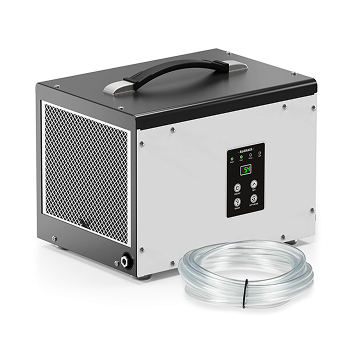
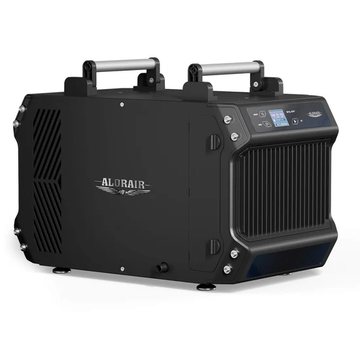
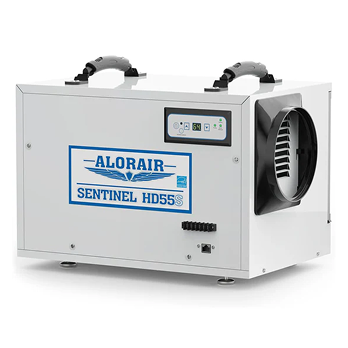
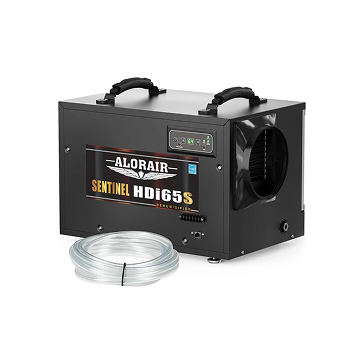
It can, in a limited role. Once the water sources are fixed, a crawlspace dehumidifier helps manage moisture in the air of a closed or conditioned crawl space. It isn’t a heater, and it doesn’t replace pipe protection, leak repairs, or equipment safety checks. Cold weather won’t dry a damp crawl space on its own, either.
Check three things before you pick a unit:
● Operating-temperature range. Check the model’s minimum temperature and the test conditions behind its pints-per-day (PPD) rating. Refrigerant units generally remove less water as the air cools. Auto-defrost helps with frost, but it doesn’t mean the unit delivers its rated capacity near its lower limit.
● Drainage. Gravity drainage needs a downhill hose route with no kinks or low spots that hold water. Water left in the line can freeze below 32°F, so check the whole route, including where it exits the house.
● Maintenance. Read the user guide linked from each product page, and plan for the filter and drain care it describes. Keep access clear so you can inspect the unit in cold weather.
FAQs
Should I close crawl space vents during a cold snap?
It depends on your crawl space’s design and what each opening does. A closed crawl space generally keeps its vents sealed, while a vented one needs a check of moisture, equipment, and local guidance first. Pipes need separate protection either way.
At what temperature should I close crawl space vents?
There’s no universal temperature. The right call depends on your design, local guidance, moisture conditions, and where vulnerable plumbing runs. A number alone can’t tell you if closing vents suits your home. Check the design and the moisture first, then decide.
Will crawl space vent covers prevent frozen pipes?
Not reliably. Covers may cut direct cold airflow, but they don’t guarantee freeze protection. Pipes also depend on insulation, sealed drafts, and distance from exterior walls. Treat covers as one measure and protect vulnerable pipes separately, especially if your home has frozen before.
Should an encapsulated crawl space have open vents in winter?
Generally no. A properly completed closed-space design keeps its vents sealed and relies on its planned moisture management, not outdoor airflow. If conditions worsen, reassess the moisture sources and the system with a qualified professional. Don’t reopen the vents out of seasonal habit.
Are automatic crawl space vents enough for winter protection?
Not by themselves. Automatic vents change how air moves through the openings, but they don’t address leaks, ground moisture, pipe insulation, or equipment air needs. Check what each opening does, then handle moisture sources and pipe protection as separate jobs.
Conclusion
Moisture doesn’t always take the winter off. So what’s the answer to “should I close vents in crawl space in winter”? It depends on your crawl space, not the season. A closed one keeps its vents sealed. A vented one needs a hard look at moisture, equipment, and pipes first. Covers are a seasonal fix, not encapsulation.
Your next move: grab a flashlight and check every opening and damp spot. Found moisture in a closed crawl space? Fix the source first. Then a crawl space dehumidifier rated for 1,300 square feet can help keep the air dry, as long as your space stays above its 33.8°F lower limit. Still unsure? Call a qualified pro before you change anything.


