



Your house smells like cat pee, but no cat lives there. You check the carpet, the corners, the basement. Nothing. Then you wonder: could it be mold? So, can mold smell like cat pee? Some people describe a moldy odor that way. But the smell alone cannot prove mold. Treat the smell as a clue to investigate, not a diagnosis.
The practical next step is to find where the odor is strongest, then look at that spot for moisture, damage, and other evidence. This article covers other sources to check, how to trace the smell, signs of hidden mold, and what a dehumidifier can and cannot do.
Can Mold Smell Like Cat Pee?
A cat urine-like smell does not confirm mold. Three points explain why:
● A description is not a measurement. Odor descriptions are personal. A sharp or pungent smell may remind one person of cat urine and another of something else.
● Mold can smell bad. Some compounds that molds produce are volatile, meaning they enter the air quickly. EPA calls them microbial volatile organic compounds (mVOCs) and notes that they often have strong or unpleasant odors. That does not mean every mold smells the same.
● Smell alone cannot confirm mold. An odor cannot tell you whether mold is present, what kind it is, or how much there is.
So, could the smell be mold? Possibly, but the description alone cannot separate mold from old urine or another source. EPA describes mold odors as moldy or musty. Check for damp materials, visible growth, and past leaks alongside the home’s pet history.
Why Does Mold Produce Odors?
Mold produces odors because some compounds it releases are gases that evaporate easily and spread through the air. EPA calls them microbial volatile organic compounds, or mVOCs. “Microbial” means a microorganism makes them, “volatile” means they vaporize readily, and “organic” means they are carbon-based.
Many mVOCs have strong or unpleasant smells, so they can contribute to the moldy or musty odor people associate with mold growth. Mold also needs moisture to grow. EPA states that moisture control is the key to mold control. That is why odor questions and moisture questions tend to go together.
What Else Could Cause a Cat Pee-Like Smell?
Several things besides mold can cause a cat urine-like smell. In a basement or older home, more than one source may be involved. Use these clues to decide where to look first.
|
Possible source |
What to look for |
What to do next |
|
Current or past pet urine |
Litter areas, localized stains, carpet, padding, furniture, earlier occupants’ pets, past cleaning or water exposure |
Check whether contamination extends beneath the surface. No cat now doesn’t rule out old urine. |
|
Rodent activity |
Droppings, nesting material, or gnaw marks |
Avoid sweeping or vacuuming waste; follow rodent-cleanup guidance |
|
Moisture and possible mold |
Leaks, condensation, damp materials, or visible growth |
Investigate the moisture source; odor or high RH alone does not confirm mold |
|
Drains, equipment, or new materials |
A smell concentrated near one fixture, appliance, or recently installed material |
Check when the smell appears and have the relevant fixture or equipment inspected |
Old carpet or stained padding is not automatically the culprit. Check the stain’s location and the property’s history before deciding it needs replacing.
If you find rodent droppings or nesting material, don’t sweep or vacuum them. That can release contaminated particles into the air. Follow the CDC’s rodent-cleanup guidance, and get professional help for a heavy infestation or signs of rodents inside heating and cooling ducts.
Why Does the Smell Get Stronger in Humid Weather?
A smell that strengthens in humid or rainy weather deserves a note, but it does not prove mold. Mold needs moisture to grow. Old urine in carpet, padding, or other porous materials is also often described as seeming stronger when humidity rises.
What to Record
Keep notes for a few weeks:
● Does it follow rain?
● Does it strengthen as indoor humidity rises?
● Does it fade when the air dries, then return?
If the smell peaks in a crawl space or the room above it, start with the causes and signs of crawl space moisture. They show you where to check first.
A Weaker Smell Does Not Mean the Source Is Gone
A fading smell does not mean the source is gone. A 2020 laboratory study found popular cleaning products masked cat urine odors on carpet on day one but, in most cases, could not remove the odors that appeared by day 15.
How to Find the Source of the Smell
To find the source of a cat pee smell, map where it appears, review the property’s history, inspect what you can safely reach, and use simple tools as supporting evidence.
Map Where and When the Smell Appears
Record the room, the area where the smell peaks, and the time of day. Note when it changes with rain or with your heating and cooling system. Do not sniff suspect materials repeatedly.
The strongest smell may be where air carries it, rather than where it starts. If it appears at several vents when the blower runs, note that pattern for an HVAC inspection. If it stays around one carpet edge or baseboard, start with the nearby materials and leak history.
Review Pet, Leak, and Renovation History
Check for current and past pets, urine accidents, earlier leaks or flooding, and new carpet or padding. A past leak does not prove mold, but it tells you where to look first.
Inspect Accessible Surfaces
Look at carpet edges, baseboards, spots near furniture and plumbing, and damp areas you can safely reach. Photograph and date any stains or water marks. EPA notes that carpet stains can resemble mold, so describe what you see without labeling it.
Do not open walls, lift large areas of carpet, or open heating and cooling equipment. EPA warns that disturbing mold can spread it. An opened air handler (the indoor unit that moves air through the system) can send high levels of dust and mold into the air.
Use Tools as Supporting Evidence
Tools support what you see. None names a source alone.
● Hygrometer: Shows relative humidity (RH) in the air. EPA recommends indoor RH below 60%, ideally 30%–50%. A normal room reading does not rule out a wet carpet pad, damp wall cavity, or cold surface with condensation. For measurements under the house, use the crawl space humidity levels and RH chart alongside temperature and visible moisture signs.
● Moisture meter: Helps locate damp building materials, and EPA notes investigators use it to find wet areas where mold may be growing. Use a meter suited to the material and compare readings with a nearby dry area of the same material. Don’t apply one material’s percentage scale to another. A high reading points to moisture, not mold.

● Blacklight: May reveal some dried stains in the dark, but it is a limited aid. Some cleaners also glow, and some urine stains may not. A glow does not prove urine, no glow does not rule it out, and neither says anything about mold.

When Should You Suspect Hidden Mold?
Suspect hidden mold when several clues point to moisture, not the smell alone. These combinations deserve a closer look:
● A persistent odor plus a leak or water-damage history
● Damp or damaged materials without obvious growth
● An odor concentrated near a previously wet spot
● A continuing odor and moisture after you clean a known urine source
EPA lists the backside of drywall and the underside of carpets and padsas possible locations for hidden mold. Hidden mold can be hard to investigate, and disturbing it can spread mold spores. If the odor persists near a previously wet area, an experienced investigator can help check concealed materials without unnecessary disturbance. Not finding a urine stain does not, by itself, make mold the answer.
Treat the Confirmed Cause
Treat only the cause you have confirmed, because one fix will not solve another source.
If the Source Is Pet Urine
Pick a cleaning method that suits the material. Urine can soak through carpet into the padding and flooring beneath, so surface cleaning may miss some of it. If the smell returns, ask a flooring or odor-restoration professional to check the padding and subfloor.
If the Source Is Moisture and Mold
Start with the water. Fix the leak or moisture entry and dry wet materials fast. EPA notes that items dried within 24 to 48 hours usually do not become moldy, and carpet padding needs drying too.
You can usually handle a moldy area smaller than about 10 square feet yourself, provided it does not involve contaminated water or other complications. Wear gloves, goggles, and an N95 respirator. Scrub cleanable hard surfaces with detergent and water, then dry them completely. Moldy carpet or padding may need replacing.
For larger areas, extensive water damage, or suspected mold in the heating and cooling system, call a professional.
If the Source Is Pests or Another Building Issue
A pest professional can confirm pest activity and treat it. If the odor centers on a drain, equipment, or new material, call the right tradesperson. Scented products may mask a smell for a while. They do not remove urine, dry damp materials, or stop pests.
Can a Dehumidifier Remove the Smell?
No, not on its own. A dehumidifier lowers humidity in the air, which may help when damp conditions feed the problem. It does not remove urine deposits, existing mold, contaminated carpet, leaks, or pests.
EPA lists dehumidifiers among the ways to reduce indoor humidity. If your hygrometer stays above the ranges listed earlier, or materials stay damp after you fix a leak, dehumidification may make sense. A smell alone is not a reason to buy one.
If humidity stays high throughout a ducted home, a whole-house dehumidifier is built for that job. AlorAir’s Sentinel WHD series works with compatible heating, ventilation, and air conditioning (HVAC) systems and covers homes from 2,300 to 4,500 square feet. Capacity ratings use AHAM (Association of Home Appliance Manufacturers) conditions of 80°F and 60% RH and DOE (U.S. Department of Energy) conditions of 73°F and 60% RH, so real-world removal varies. Two models:
● Sentinel WHD 100: Homes up to 2,300 square feet. Removes 90 pints per day (AHAM) or 70 (DOE). Moves 229 or 309 cubic feet per minute (CFM). Uses a MERV-10 (minimum efficiency reporting value) filter. Runs at 55 decibels (dBA). Offers two inlet and outlet setups.
● Sentinel WHD 150: Homes up to 3,500 square feet. Removes 140 pints per day (AHAM) or 115 (DOE). Moves 309 or 383 CFM. Offers MERV-1 and MERV-10 filters. Runs at 64 dBA. Offers four inlet and outlet setups.
If the dampness starts under the house, a dehumidifier alone may not be enough. You generally need to control ground moisture first, and a crawl space encapsulation system is one way to block it.
FAQs
Why does my house smell like cat pee when I do not have a cat?
Old pet urine from a past owner or tenant can remain in carpet, padding, or flooring. Pests, damp materials, and local building sources may also be the cause. Check the home’s pet, leak, and renovation history, then note where the smell is strongest.
Can black mold smell like cat urine?
Odor and color cannot identify a mold species or its risk. A cat urine-like smell does not point to black mold or any other type. Treat the smell as a reason to investigate moisture and visible conditions. See a health professional if you have health concerns.
Can a blacklight tell whether the smell is urine or mold?
Not reliably. A blacklight may help you locate a stain, but certain cleaners and residues also glow, and some urine may not show at all. Even a clear result cannot tell you whether that stain explains the smell. Check it against the pet history, the material’s condition, and other evidence. Don’t use a positive or negative result to diagnose mold.
Does a stronger smell on rainy days mean I have mold?
Not necessarily. A smell that strengthens with rain or humidity is a reason to look for moisture, but it does not confirm mold. Old urine may show the same pattern. [REVIEW: see humid-weather flag] Track when it changes, check for leaks, and log humidity.
Should I get a mold test if I cannot find the source of the smell?
Start with a site and moisture investigation. EPA says routine mold sampling is not recommended, and you generally do not need it unless the results could change your plans. If you test, define its purpose first and use a professional experienced in sampling and interpreting results.
Conclusion: Find the Source, Then Fix the Cause
Can mold smell like cat pee? A person may describe a moldy odor that way, but the smell alone cannot confirm mold, identify its type, or show how much is present. Treat it as a prompt to investigate. Map where and when the smell appears, review pet, leak, and renovation history, inspect what you can safely reach, and support what you see with humidity and moisture readings. Then fix the source you confirm, whether it is urine, moisture and mold, pests, or another building issue.
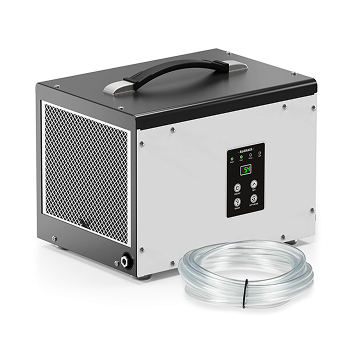
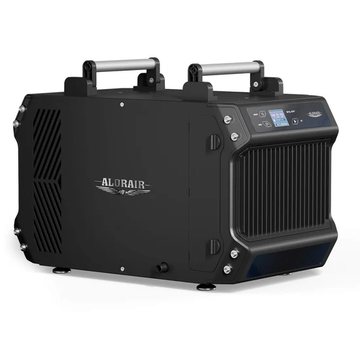
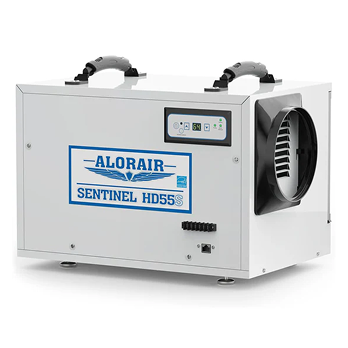
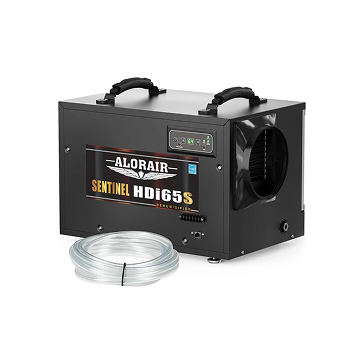
Dampness can keep the problem going. If your readings point to a damp basement or crawl space, fix the moisture source first. AlorAir’s crawl space and basement dehumidifiers can help you keep humidity in range. Browse the lineup and find a size for your space.


