



Your allergies are flaring up, and you're wondering whether a dehumidifier could help. It might, but only for certain triggers. It won't remove pollen drifting in from outside or pet dander already worked into your carpet. What it does well is pull moisture out of the air, which matters if dust mites or mold are behind your symptoms. Grab a hygrometer before you buy anything; it tells you more in five minutes than any product page will. This guide explains how to read your home's humidity, which allergy triggers may respond to moisture control, and what to look for if a dehumidifier makes sense.
Do Dehumidifiers Help With Allergies?
Yes, for humidity-driven triggers. No, for the rest. A dehumidifier doesn't clean the air; it pulls water vapor out of it. That alone changes conditions for dust mites and mold, both of which need moisture to survive.
- Draws moisture from the air and collects or drains it away
- Makes conditions harder for dust mites and mold
- Doesn't relieve symptoms directly or replace treatment
- Doesn't catch pollen, dander, or dust already in the room
|
Allergy trigger or condition |
Can a dehumidifier help? |
Reason |
|
Dust mites in a humid home |
Often |
Less moisture, less survivable for mites |
|
Mold tied to high humidity |
Often, as part of moisture control |
Lower RH slows new growth |
|
Existing visible mold |
Not by itself |
The mold and its source still need direct attention |
|
Pollen |
Limited |
Doesn't filter particles |
|
Pet dander |
Limited |
A filtration issue, not a humidity one |
|
Air that's already dry |
Usually not |
Drying it further irritates nose, eyes, throat, skin |
Are dehumidifiers good for allergies? They can be helpful when excess humidity supports dust mites or mold. Beyond allergy control, the benefits of using a dehumidifier can also include reducing condensation and helping protect moisture-sensitive materials in the home.
Which Allergy Triggers Respond to a Dehumidifier?
Not every allergy comes from the same source. A dehumidifier for allergies only helps if humidity's actually the problem.
Dehumidifiers and Dust Mite Allergies
Dust mites pull water straight from humid air; they don't drink. They thrive around 70°F with 75–80% humidity and die off below 50%. That's the logic behind a dehumidifier for dust mite allergy: get the air below 50% RH and mites stop thriving.
It won't clear them out overnight. Mite waste already in your mattress and carpet stays put until you wash or vacuum it out. Pair lower humidity with mite-proof covers and hot-water washing to cover both angles.
How a Dehumidifier Affects Mold-Related Allergies
Mold needs moisture to spread, so a dehumidifier for mold allergies works by starving that condition, not attacking mold already there. The EPA links indoor humidity around 60% to the moisture problems that let mold take hold, and notes that eliminating every spore indoors is basically impossible; controlling moisture is what actually controls growth.
It can lower RH, cut condensation, and help a space dry out after a leak's fixed. It can't remove mold that's already growing, fix a leak, or replace remediation once contamination spreads.
Asthma and Indoor Humidity
Humid air feeds the same mites and mold covered above, and can feel harder to breathe. Dry air irritates from the other direction. A dehumidifier keeps you off the high end of that range, but it's not asthma treatment and won't touch triggers like smoke. That's a conversation for your physician.
Pollen and Pet Dander Allergies
Pollen and dander are particles, not moisture, so a dehumidifier can't catch either one. Keep pets out of the bedroom, wash bedding often, and run a HEPA vacuum instead. If those are your main triggers, that's where the effort should go before shopping for the best dehumidifier for allergies.
What Humidity Level Is Best for Allergy Control?
There's a wrong answer on both ends. Too humid, and dust mites and mold move in. Too dry, and your nose, throat, eyes, and skin take the hit.
|
Relative humidity |
Allergy-related consideration |
|
Below 30% |
Dries and irritates eyes, nose, throat, skin |
|
30%–50% |
General target recommended by health and environmental sources |
|
Above 50% |
More favorable for dust mites and moisture problems |
|
Near or above 60% |
Higher risk of mold and lingering dampness |
The EPA puts the target at 30–50%. Mayo Clinic agrees, recommending RH no higher than 50% alongside 68–72°F, since hot, humid homes are exactly where mites and mold do best.
What humidity level is best for allergies shifts a bit by household. Climate and how well your windows seal both move the number within that range. Skip the dehumidifier's built-in reading and check with an independent hygrometer; displays drift.
How Do You Know Whether You Need a Dehumidifier for Allergies?
Start with a hygrometer, not a guess.
Measure the Indoor Humidity
Track RH for a few days, during humid weather, overnight in your bedroom, in the basement, and after a shower or laundry load. Consistently above 50%, rather than a brief spike, is your answer.
Look for Signs of Excess Moisture
Watch for condensation, musty smells, damp carpet, or mold spots. Standing water or a leak needs fixing directly; a better reading afterward won't undo the damage.
Consider the Likely Allergy Trigger
Match the fix to the trigger. Symptoms worse in humid weather point to a dehumidifier. Symptoms tied to pollen, pets, or smoke point elsewhere. Not sure which? An allergist can tell you; a hygrometer can't.
Dehumidifier vs. Air Purifier for Allergies
Two different jobs, one common mix-up.
|
Device |
Primary function |
Most relevant allergy use |
|
Dehumidifier |
Removes excess water vapor |
Humidity-related dust mites and mold |
|
HEPA air purifier |
Captures airborne particles |
Pollen, dander, mold spores |
|
Humidifier |
Adds moisture to dry air |
Dry-air irritation |
A dehumidifier changes the amount of moisture in the air, while an air purifier removes certain particles floating in it. That is the difference between an air purifier and a dehumidifier in one line. The two solve different problems, which is why some homes may benefit from using both.
The humidifier vs dehumidifier for allergies call depends on which direction your reading is off. Below 30%, use a humidifier. Above 50%, use a dehumidifier. Pick wrong, and you push further from the target, not closer.
What Should You Look for in a Dehumidifier for Allergies?
A few features separate a unit that keeps working from one you'll be fighting every few weeks.
A Humidistat You Can Actually Trust
Pick a unit that holds a set RH instead of just running on a timer. Check its reading against a separate hygrometer now and then; it displays drift.
Capacity That Matches the Space
Capacity is measured in pints removed per 24 hours (PPD). Choose it based on the size of the space, its starting humidity, the severity of the moisture problem, and the operating temperature. Get the capacity wrong, and the unit may run continuously without reaching the target or cost more than the space actually needs. Square footage alone will not give you the full answer, so consider humidity, temperature, drainage, and capacity when choosing the right dehumidifier size for a basement.
A single bedroom usually needs just a portable unit. But if high humidity persists across several connected rooms, investigate the moisture source and HVAC performance first — no bedroom dehumidifier fixes a whole-house problem by itself; that usually calls for something ducted into the HVAC system instead.
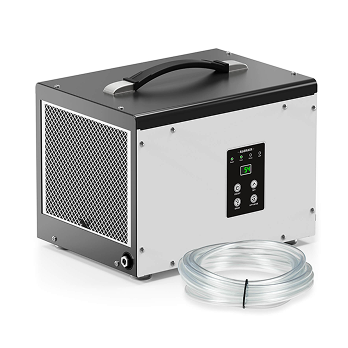
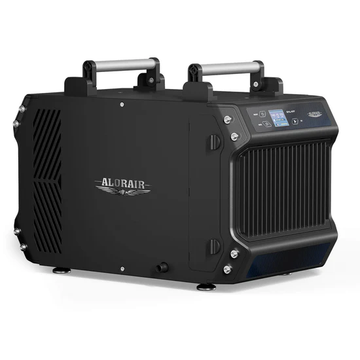
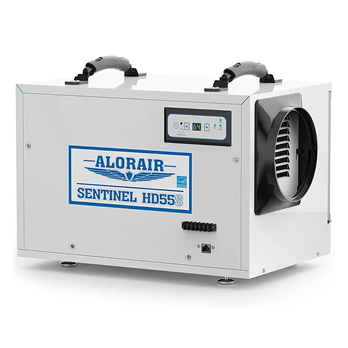
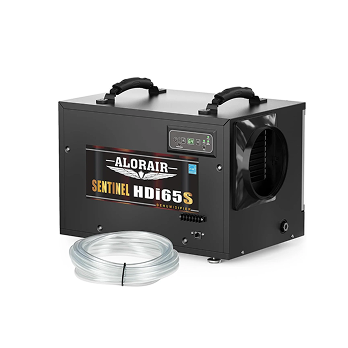
For humidity that affects several connected rooms, compare AlorAir whole-house dehumidifiers by capacity, coverage, filtration, drainage, and HVAC compatibility. The Sentinel WHD 100 is currently listed at 90 pints per day with coverage up to 2,300 sq. ft., while the larger WHD 120 is listed at 104 pints per day with coverage up to 3,000 sq. ft. Treat these coverage figures as starting points because actual performance also depends on climate, air leakage, duct design, and moisture load.
Continuous Drainage
A hose or built-in pump keeps the unit running without stopping every time the tank fills, useful overnight, when you don't want RH creeping back up while you sleep. Skip the pump unless condensate needs to move upward.
Easy Cleaning and Maintenance
Look for an accessible tank, a washable pre-filter, and grilles you can actually reach to clean. Worth flagging: a standard washable filter protects the unit's coils, not your lungs; it's not HEPA-grade.
Filtration and humidity control are two separate jobs. A bucket or filter left damp for days can grow something of its own; staying on a cleaning schedule keeps that from undoing the reason you bought the thing.

Noise, Temperature, and Energy Efficiency
For a bedroom, check the sound rating before buying; a loud compressor all night defeats the purpose. For a cold basement, confirm the operating-temperature range and automatic defrost. If it'll run often, ENERGY STAR certification means real savings over months of near-constant use.
Where to Place a Dehumidifier for the Best Allergy Benefit
A dehumidifier only treats the air it pulls in. Give it open space around the intake, positioned near the bed rather than blocked by furniture. For a whole-house unit, placement matters less by room and more by making sure air from every space reaches it.
Can a Dehumidifier Make Allergy Symptoms Worse?
In a few specific situations, yes.
The Air Becomes Too Dry
Run it when RH's already fine, or set the target too low, and you'll drop below 30%. That's when dry air starts irritating your nose, eyes, throat, and skin. Chasing the lowest number isn't the goal.
The Unit Is Not Cleaned Properly
A dirty bucket, filter, or drain line can grow odors or microbial buildup of its own, defeating the point of running it for allergy relief. Stick to the manufacturer's cleaning schedule for your specific model.
Existing Mold or Water Damage Is Ignored
A lower humidity number doesn't mean mold's gone or that wet materials have dried out. Leaks and visible mold still need direct fixing; running a dehumidifier next to an unaddressed source treats a symptom, not the cause.
What Else Helps Reduce Indoor Allergens?
A dehumidifier works best alongside a few other habits:
- Dust-mite-resistant covers on mattresses and pillows
- Bedding washed regularly in hot water
- A HEPA vacuum and a HEPA air purifier for pollen or dander
- Leaks fixed as soon as you spot them
- Mold-polluted material cleaned or removed, not covered
- Bathroom and kitchen fans running during and after use
- Pets kept out of the bedroom if that's a trigger
None of this replaces medical treatment; it's what you do alongside it.
When Should You Seek Professional Help?
A dehumidifier only goes so far. A few situations call for bringing in someone else:
- Symptoms that won't let up, or a trigger you can't pin down- that's an allergist's job, not a hygrometer's.
- Wheezing, real trouble breathing, or anything that feels severe: see a doctor.
- Mold covering a substantial area, involving contaminated water or HVAC equipment, or returning after cleaning needs a remediation specialist.
- A moisture source you can't locate or safely repair on your own.
- RH that stays high even after a correctly sized unit has been running for a while, that points to an HVAC or moisture-control issue, not a device problem.
None of this means something's gone wrong. It just means the problem's bigger than what one tool was ever meant to handle.
Frequently Asked Questions
Do Dehumidifiers Help With Allergies?
They may help when excess humidity is feeding dust mites or mold. So does a dehumidifier help with allergies across the board? No, it doesn't treat allergies directly and doesn't remove every type of allergen, including pollen and pet dander.
Can a Dehumidifier Make Allergies Worse?
It can, if the air gets too dry or the unit sits uncleaned. Watch RH with a separate hygrometer and stay on top of maintenance.
Is a Dehumidifier or Air Purifier Better for Allergies?
A dehumidifier controls excess moisture; an air purifier captures airborne particles. The better choice in the air purifier vs dehumidifier for allergies comparison depends on your specific trigger; humidity-driven triggers point to a dehumidifier, particle-driven ones point to an air purifier.
Does a Dehumidifier Help With Dust Mite Allergies?
It makes the environment less workable for mites once humidity's elevated, but won't remove debris already in your bedding or carpet.
Does a Dehumidifier Help With Mold Allergies?
It slows new growth by cutting the moisture mold needs. It can't remove mold already there or fix the leak causing it.
Should I Use a Humidifier or Dehumidifier for Allergies?
In the humidifier vs dehumidifier for allergies decision, use a dehumidifier when indoor RH is too high and a humidifier only when the air is genuinely too dry. Measure your humidity before choosing either device; running the wrong one moves you further from the target range.
The Bottom Line
A dehumidifier earns its place when humidity's high and dust mites or mold are the likely trigger. It's not built for pollen or pet dander. Those are particle problems, and a dehumidifier doesn't filter particles.
From here, it's a straight sequence:
- Measure your RH.
- Figure out which allergen actually fits your symptoms.
- Fix any leaks or mold you can see before anything else.
- Bring in a dehumidifier only once excess humidity is confirmed, and size it for the space, not the room next to it.
- Layer in filtration and cleaning if pollen or dander are part of the picture too.
That sizing step matters more than most people expect; a unit rated for a bedroom won't touch a home where damp air's showing up in three rooms at once. If that's closer to what you're dealing with, the AlorAir Sentinel whole-house lineup is built to bring a bigger space back into range and hold it there through the next humid stretch.


