



Quick Answer: Use a dehumidifier in your basement when relative humidity regularly remains above 60%, especially if you also notice condensation, persistent musty odors, damp stored items, rust, or moisture-related damage. Measure the space with a hygrometer before deciding. If there is standing water, an active leak, or extensive mold, address that problem before relying on a dehumidifier.
A damp basement does not automatically mean you need to buy a dehumidifier. The first step is to determine whether the problem comes from moisture in the air, condensation on cold surfaces, or active water entering the space.
This article explains how to tell whether your basement needs a dehumidifier, which warning signs matter most, and when another moisture problem should be corrected first.
How Do You Know If Your Basement Needs a Dehumidifier?
The most reliable way to determine whether your basement needs a dehumidifier is to measure its relative humidity with a hygrometer. Check the reading at different times of day and after humid weather or heavy rain rather than relying on a single measurement.
A basement that remains between approximately 30% and 50% RH generally does not need additional dehumidification. If RH repeatedly rises into the 50%–60% range, monitor the space for condensation, odors, or damp materials. Consistent readings above 60% indicate that moisture control is needed, although leaks and standing water should still be repaired first.
Do not rely only on how much water a machine collects. A dehumidifier can collect water even when the space does not require continuous operation. The more useful question is whether it can bring the basement to the selected humidity level and maintain it.
7 Signs You Should Use a Dehumidifier in Your Basement
1. Relative Humidity Regularly Stays Above 60%
A hygrometer provides a more reliable answer than appearance or smell alone. If basement relative humidity regularly remains above 60%, especially for several days at a time, a dehumidifier may be appropriate after leaks and other water sources have been ruled out. Record readings during humid weather, after rain, and at different times of day to identify recurring patterns.
2. A Musty Smell Keeps Returning
Persistent musty basement odors can indicate that damp materials, mold, mildew, or bacteria are present in the space. If the smell improves during dry weather but returns when humidity rises, excess airborne moisture may be contributing to the problem. A dehumidifier can help control the humidity, but contaminated carpet, drywall, insulation, or stored materials may still need to be cleaned or removed.
3. Condensation Forms on Pipes, Windows, or Walls
Condensation forms when warm, humid air contacts a surface that is cold enough for water vapor to condense. Frequent droplets on basement windows, pipes, ductwork, or walls may indicate elevated humidity, but missing insulation and unusually cold surfaces can also contribute. Check the RH and inspect the affected surface before assuming a dehumidifier is the only solution.
4. Stored Items or Fabrics Feel Damp
Damp cardboard boxes, carpet, furniture, clothing, or other stored materials can indicate that the basement air contains too much moisture. If these items repeatedly feel damp while no active leak is present, a dehumidifier may help. Localized stains, wet foundation walls, or water appearing after rain, however, may point to seepage or drainage problems that should be repaired first.
5. Mold or Mildew Keeps Returning After Cleanup
Visible or recurring mold means the basement has an unresolved moisture problem, but a dehumidifier does not kill or remove existing mold. Affected materials may require cleaning, removal, or professional remediation depending on the extent of the growth. After the mold and moisture source have been addressed, dehumidification can help make future growth less likely by keeping RH under control.
6. Metal Rusts or Wood Begins to Warp
Rust on tools, fasteners, pipes, or mechanical equipment can develop when basement humidity remains high for extended periods. Wood may also swell, warp, or become difficult to fit as it absorbs moisture. These changes do not identify the source by themselves, but when they occur alongside consistently elevated RH, dehumidification may be appropriate after leaks and condensation problems have been addressed. Soft, decayed, or structurally damaged wood should be evaluated by a qualified professional.

When Is a Dehumidifier Not the First Solution?
A dehumidifier controls water vapor in the air, but it should not be treated as the first or only solution when liquid water is entering the basement. Repair the moisture source first if you find:
- Standing water or flooding
- An active plumbing leak
- Water seeping through foundation cracks
- A failed sump pump
- Poor exterior grading or blocked gutters
- Sewage-contaminated water
- Extensive visible mold
- Wet drywall, insulation, carpet padding, or structural wood
After the source has been corrected and wet materials have been dried or removed, a dehumidifier can help control the remaining airborne moisture. EPA mold-prevention guidance likewise prioritizes repairing leaks, correcting drainage, and drying wet materials rather than relying on equipment alone.
What to Do If Your Basement Needs a Dehumidifier
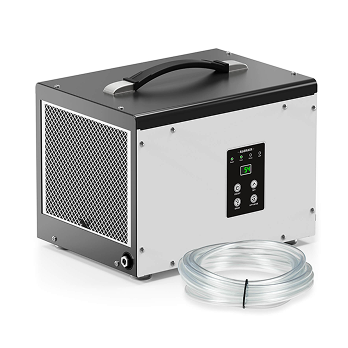
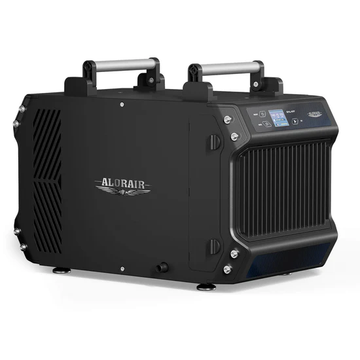
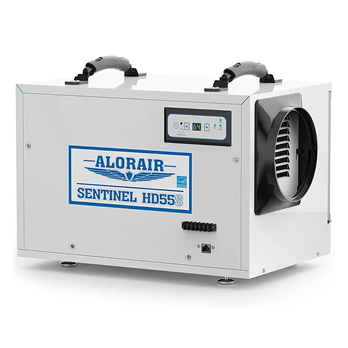
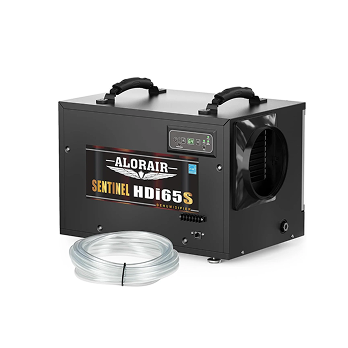
Once you have confirmed that the basement needs dehumidification, choose a unit based on the space size, moisture severity, operating temperature, drainage arrangement, and air movement—not square footage alone. A unit that is too small may run continuously without reaching the target RH.
For basements that require regular operation, continuous gravity drainage or a built-in condensate pump can reduce the need to empty a bucket manually. If the basement regularly falls below 65°F, check whether the model is rated for lower-temperature operation and includes automatic defrost. For more detailed capacity guidance, use the basement’s floor area, moisture severity, temperature, and drainage conditions when sizing a basement dehumidifier.
Frequently Asked Questions
At what humidity does a basement need a dehumidifier?
Consider using a dehumidifier when basement relative humidity consistently stays above 60%. A practical target for most basements is around 40%–50% RH, but the appropriate setting can vary with temperature, climate, and condensation conditions. Use a hygrometer to monitor the humidity rather than relying only on how the basement feels.
Does a musty basement smell mean I need a dehumidifier?
A persistent musty smell may indicate excess humidity, mold, mildew, or damp materials. A dehumidifier can help when high humidity is contributing to the odor, but it will not remove existing mold or clean contaminated carpet, drywall, or stored items. Identify and address the odor source as well as controlling the humidity.
Should I run a basement dehumidifier in winter?
Run a basement dehumidifier in winter only if the humidity remains elevated or condensation continues to appear. Check that the basement temperature is within the unit’s rated operating range, because some refrigerant dehumidifiers become less effective or develop frost in cold conditions. If RH is already within the recommended range, continued operation is unnecessary.
Will a dehumidifier fix damp basement walls?
No. A dehumidifier can reduce airborne moisture and may help dry condensation, but it cannot repair foundation seepage, plumbing leaks, drainage problems, or cracks. Identify and correct the source of the dampness first, then use a dehumidifier to manage the remaining humidity.
Final Answer
Your basement may need a dehumidifier when relative humidity consistently remains above 60%, especially if the space also develops condensation, recurring musty odors, damp stored items, rust, or moisture-related material damage. Use a hygrometer to confirm the pattern instead of relying on one symptom or a single reading.
A dehumidifier is appropriate for controlling moisture in the air, but it cannot repair plumbing leaks, foundation seepage, standing water, or existing mold. Correct those problems first. Once active water sources have been addressed, choose a properly sized unit with a suitable drainage method and use the RH reading—not the amount of water in the bucket—to judge whether it is working.


