



Quick Answer: Crawl space air quality affects the whole house because air moves upward through subfloor gaps in a process known as the stack effect. When moisture, mold spores, soil gases, or dust accumulate in the crawl space, that same air can reach the rooms above it. Sealing the crawl space, controlling humidity, and fixing moisture sources are the most effective ways to protect indoor air quality.
Most homeowners never think about the air sitting beneath their floors. The crawl space is out of sight, so it's easy to assume it stays separate from the living space above. It doesn't. The air in your crawl space may not stay there, and what happens in that narrow gap between the soil and your subfloor can shape the air you breathe every day.
This matters because crawl spaces are prone to conditions that don't exist anywhere else in the house: bare soil, standing moisture, limited airflow, and direct contact with the ground. Left unmanaged, these conditions create the exact environment where mold, musty odors, and airborne particles thrive.
This guide walks through how crawl space air reaches your living areas, what typically causes air quality to decline, the warning signs to watch for, and what you can actually do to fix it.
How Crawl Space Air Reaches the Rest of Your Home
Air moves from the crawl space into your living areas through a phenomenon called the stack effect. Warm air rises through the house, creating negative pressure below that pulls air upward through gaps in the subfloor, around plumbing penetrations, and through unsealed ductwork.
This means crawl space air isn't isolated air. It's connected air. Odors, moisture, and airborne particles from below your floor can end up circulating through your bedrooms, kitchen, and living room without you ever opening the crawl space door.
The effect is strongest in homes with vented crawl spaces, older construction, or gaps around HVAC equipment. A tightly sealed subfloor slows this exchange, but few homes achieve a complete seal without dedicated encapsulation work.
What Can Reduce Crawl Space Air Quality?
Several conditions commonly degrade crawl space air, and most trace back to excess moisture in one form or another.
Moisture and Condensation
Bare soil releases water vapor continuously, even when it looks dry on the surface. Add condensation on cold ductwork, pipes, or framing, and the crawl space becomes a steady source of airborne moisture that raises relative humidity throughout the space.
Mold and Microbial Growth
Once humidity stays elevated for an extended period, mold finds the surface moisture and food source it needs to establish itself on wood framing, insulation, and subfloor materials. Mold spores are small enough to travel through subfloor gaps and HVAC pathways, which is one reason a musty smell upstairs often traces back to a crawl space problem rather than anything happening inside the home itself. If mold has already taken hold, understanding the crawl space mold remediation process helps clarify what needs to happen before air quality can actually improve.
Soil Gases and Radon
Soil beneath a home can release naturally occurring gases, including radon, which move upward through the same pathways as moisture and mold spores. Radon is colorless and odorless, so testing is the only reliable way to know whether it's present at concerning levels in your crawl space and home.
Pests, Dust and Debris
Crawl spaces attract rodents, insects, and other pests drawn to the dark, humid environment. Their droppings, shed skin, and nesting debris add particulate matter to the air, along with dust that accumulates on exposed insulation and framing over time.
Leaky HVAC Ducts
Ductwork running through an unsealed or damaged crawl space can pull in crawl space air and distribute it directly through the home's supply vents. A leaky duct system effectively turns your crawl space into a mixing chamber for whatever is floating in that air.
Signs of Poor Crawl Space Air Quality
You don't need to enter the crawl space to notice most warning signs. Watch for:
- A persistent musty odor, especially near floor vents or in rooms directly above the crawl space
- Unexplained allergy symptoms or respiratory irritation that improve when you leave the house
- Visible condensation on windows or unusually humid indoor air
- Warped, cupped, or buckling hardwood floors on the level above the crawl space
- Higher-than-expected heating and cooling costs, which can indicate wet insulation losing its R-value
- Visible mold, water stains, or pest activity during a crawl space inspection
Any one of these signs on its own isn't necessarily proof of a crawl space problem, but a combination of several is worth investigating.
How to Check Crawl Space Air Quality
Start with a visual inspection. Look for standing water, condensation on pipes or ductwork, damaged insulation, mold on framing, and any gaps in the subfloor or foundation walls that could allow air to pass through.
Pair that inspection with a humidity reading using an independent digital hygrometer placed at mid-height in the center of the space, away from vents and the dehumidifier outlet. Understanding ideal crawl space humidity levels gives you a baseline for interpreting what your reading actually means, since relative humidity shifts with temperature and season.

If you suspect radon, a dedicated radon test kit is the only way to confirm it. Air-quality readings and visual inspection can tell you a great deal, but they can't detect gases that have no smell or color.
How to Improve Crawl Space Air Quality
Improving crawl space air quality generally comes down to a few coordinated steps:
- Fix active moisture sources first. Repair plumbing leaks, correct poor drainage, and redirect downspouts away from the foundation before addressing anything else.
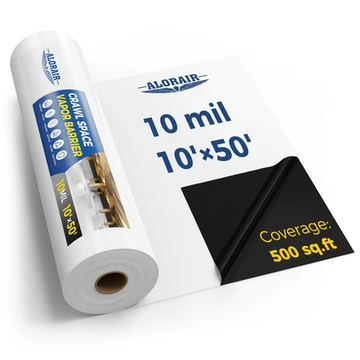
- Seal the crawl space from soil and outdoor air. A continuous vapor barrier combined with sealed vents and penetrations cuts off the two largest sources of airborne moisture. This is essentially how crawl space encapsulation works, and it's often the single most effective step for long-term air quality control.
- Address existing mold or pest issues. Sealing a crawl space with active mold or pest contamination locks the problem in rather than solving it.
- Control residual humidity. Once the ground and air pathways are sealed, mechanical dehumidification manages whatever moisture remains.
- Monitor the results. Check humidity readings periodically and after major weather events to confirm the space is staying within a stable range over time.

What a Crawl Space Dehumidifier Can and Cannot Do
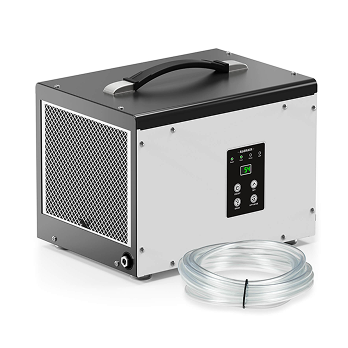
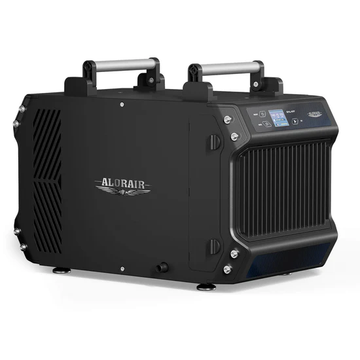
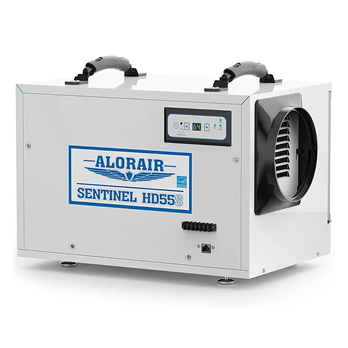
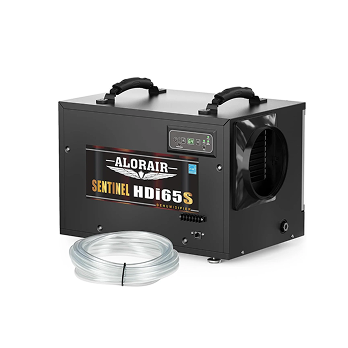
A crawl space dehumidifier removes moisture from the air, which helps keep relative humidity in a range that discourages mold growth and reduces the musty odors that migrate upstairs. It can meaningfully improve conditions in a space that already has reasonable moisture control in place.
What it cannot do is fix an active leak, replace a vapor barrier, or dry out already-saturated insulation on its own. A dehumidifier running in a space with unresolved bulk water or open ground vapor will work constantly without ever reaching its target humidity, because the moisture load coming in outpaces what the unit can remove. There is no single fix for every crawl space, and pairing a properly sized unit with sealed boundaries makes a real difference in what crawl space dehumidifiers can achieve for indoor air quality overall.
Frequently Asked Questions
Does crawl space air really affect the air I breathe upstairs?
Yes. Air moves upward through subfloor gaps and HVAC pathways due to the stack effect, carrying moisture, odors, and particles from the crawl space into living areas above.
How do I know if my crawl space is affecting my indoor air quality?
Persistent musty odors, unexplained allergy symptoms, high indoor humidity, and warped flooring on the level above the crawl space are common indicators worth investigating.
Can a dehumidifier alone fix poor crawl space air quality?
Not by itself. A dehumidifier manages residual airborne moisture, but active leaks, ground vapor, and existing mold need to be addressed first for it to work effectively.
How often should I check my crawl space air quality?
A visual inspection and humidity check every few months, along with a look after any major storm, helps catch problems early before they affect the rest of the home.
Is radon testing necessary if my crawl space seems dry?
Yes. Radon is colorless and odorless, so a dry-looking crawl space doesn't rule it out. Testing is the only reliable way to check.
Final Thoughts
The air beneath your home doesn't stay beneath your home. Moisture, mold, gases, and dust from the crawl space travel upward and become part of the air your household breathes every day. Fixing the source, whether that's a leak, exposed soil, or open vents, matters more than treating symptoms after the fact. Once the moisture pathways are under control, the right dehumidification setup keeps conditions stable for the long term.


