



Rent a dehumidifier when you need high-capacity equipment for a one-time flood, leak, or short drying project. Buy one when excess humidity returns seasonally, affects a basement or crawl space year after year, or requires ongoing control.
There isn’t one answer for every situation. The right choice depends on the type of equipment you need, how long you will use it, the complete rental cost, and whether the moisture problem is temporary or recurring.
Before comparing prices, make sure you are comparing similar machines. Rental companies commonly carry restoration-grade dehumidifiers designed to dry wet building materials, while stores often sell smaller residential units for everyday humidity control. A cheaper machine is not necessarily the better deal if it cannot handle the job.
How Dehumidifiers Work
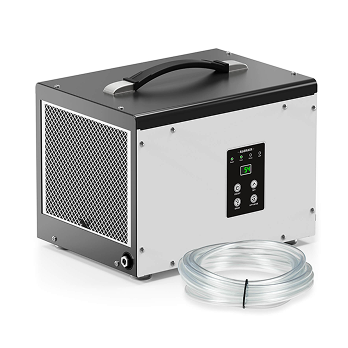
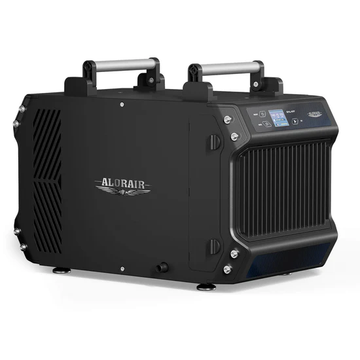
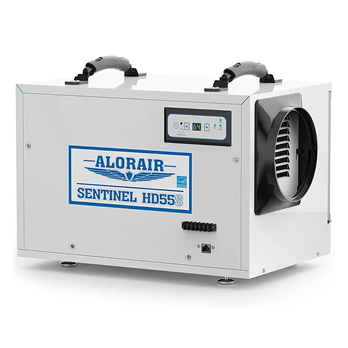
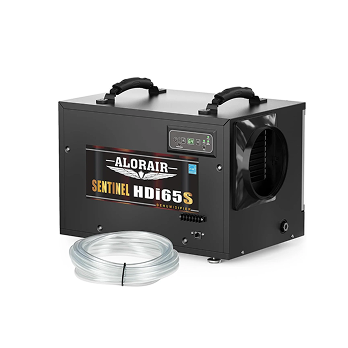
A dehumidifier removes moisture from the air, but different jobs require different equipment. A residential unit may be suitable for recurring basement or crawl space humidity, while water-damage drying may require a higher-capacity restoration unit. Compare the equipment’s rated capacity, drainage method, operating temperature, and intended application before comparing rental and purchase prices.

When Does Renting a Dehumidifier Make Sense?
Renting usually makes sense when the job is temporary, clearly defined, and requires equipment you are unlikely to use again. Common examples include drying a room after a burst pipe, removing moisture after a one-time flood, or completing a short construction project.
Rental equipment may also give you access to a high-capacity restoration dehumidifier without paying the full purchase price. However, do not assume that maintenance, delivery, pickup, drain hoses, or other accessories are included. Ask for an all-in quote and read the rental agreement before deciding.
Renting may be the better choice when:
- You are dealing with a one-time water-damage event.
- You need a restoration-grade unit for only a few days.
- You do not have space to store the equipment afterward.
- The rental company can supply the correct capacity immediately.
- Buying comparable equipment would cost more than the complete rental period.
If the problem was caused by a leak or water intrusion, stop the source and remove standing water first. For crawl space flooding, follow the correct steps for drying out a crawl space after water damage before relying on dehumidification alone.
When Is Buying a Dehumidifier Better?
Buying is usually better when moisture is recurring rather than temporary. If your basement or crawl space becomes humid every summer, renting a machine again each year is unlikely to be convenient or economical.
Ownership also gives you immediate access to the equipment. You can install continuous drainage, set the humidistat, and let the unit respond when relative humidity rises instead of arranging another rental.
Buying may be the better choice when:
- Humidity returns seasonally or remains high throughout the year.
- A basement or crawl space needs ongoing moisture control.
- You own or manage several properties and expect repeated use.
- You want permanent drainage or ducted installation.
- The expected rental period approaches the cost of buying comparable equipment.
Do not choose a unit by bedroom count alone. Capacity should reflect the size and condition of the actual space, its temperature, drainage requirements, and moisture load. If the problem is in an under-house area, first determine the right crawl space dehumidifier size.
How to Compare Dehumidifier Rental and Purchase Costs
Do not compare only the advertised daily rental rate with the purchase price of a smaller household unit. Start by comparing equipment with similar moisture-removal capacity and intended use.
Your total rental cost may include:
- Daily, weekly, or monthly rental charges
- Delivery and pickup
- Security deposits
- Damage waivers or other fees
- Drain hoses, pumps, or accessories
- Taxes and late-return charges
Your total ownership cost may include:
- Purchase price
- Delivery and installation
- Drainage accessories
- Filter replacement and maintenance
- Electricity
- Storage
- The unit’s remaining resale value
Get a current local rental quote because availability and prices vary by branch, model, location, and rental period. Divide the estimated ownership cost by the complete daily or weekly rental cost to find an approximate break-even point. If you expect to pass that point—or need the machine again later—buying is likely the better value.

Compare Similar Types of Equipment
A small residential dehumidifier, a permanently installed crawl space unit, and a restoration-grade LGR dehumidifier are built for different jobs. Compare rental and purchase costs only after confirming that both options provide similar moisture-removal capacity, drainage, operating-temperature range, and airflow.
For recurring basement or crawl space humidity, a residential or permanently installed unit may be appropriate. For a one-time flood involving wet walls, flooring, or framing, higher-capacity restoration equipment may be necessary.
The Bottom Line
Rent a restoration-grade dehumidifier when you have a one-time water-damage event or a short drying project. Buy a dehumidifier when humidity returns seasonally, remains high in a basement or crawl space, or is likely to require repeated use.
Use an all-in rental quote and compare it with the cost of buying equipment with similar capacity. Remember that delivery, pickup, deposits, accessories, maintenance, and storage can change the calculation.
Whichever option you choose, repair active leaks and water-entry problems first. If you decide that ongoing moisture control makes ownership the better choice, compare basement and crawl space dehumidifiers by capacity, drainage method, operating temperature, and installation requirements.
FAQS
Is it cheaper to rent or buy a dehumidifier?
Renting may cost less for a one-time drying job that lasts only a few days. Buying is generally better for recurring or long-term humidity problems. Compare the complete rental quote with the cost of purchasing a unit with similar capacity.
Can you rent a dehumidifier for water damage?
Yes. Equipment-rental companies commonly provide high-capacity dehumidifiers for floods, leaks, and construction drying. Remove standing water and stop the source before operating the equipment.
How long should you rent a dehumidifier after water damage?
There is no fixed number of days. Continue drying until humidity and material-moisture readings show that the affected area is dry. Do not rely only on surfaces feeling dry.
Should I rent a dehumidifier for a damp basement?
If the dampness followed a single leak, a short rental may be reasonable. If basement humidity returns every season or persists throughout the year, buying a properly sized unit will usually be more practical.


