



To clean out a crawl space, start by inspecting it for standing water, mold, damaged insulation, animal waste, structural problems, and possible electrical hazards. Fix active water problems first, handle contaminated materials safely, remove debris, clean accessible surfaces, and dry the space before adding any long-term moisture-control measures.
Some crawl spaces can be cleaned by a homeowner, but others require professional help. Do not enter if you see standing water near electrical wiring, sewage, sagging supports, extensive mold, heavy rodent contamination, or materials that may contain asbestos. The goal is not simply to make the area look cleaner. You also need to correct the moisture or pest problem that caused the mess.
Before You Start: Decide Whether DIY Cleanup Is Safe
Inspect the crawl space from the entrance before going inside. Use a bright flashlight to look for standing water, exposed wiring, sagging joists, damaged supports, mold growth, wet insulation, animal nests, droppings, sewage, and chemical containers. A musty odor or dark staining may suggest a moisture problem, but you still need to identify its source.
Stop and contact an appropriate professional if you find:
- Standing water near wiring or electrical equipment
- Sewage or contaminated floodwater
- Sagging or damaged structural supports
- Extensive or hidden mold growth
- Heavy rodent contamination
- Strong chemical odors or unknown containers
- Insulation or pipe wrap that may contain asbestos
- An access opening that is unsafe to enter or exit
Do not disturb questionable insulation or pipe wrap simply to identify it. Older building materials may need to be evaluated or tested by a qualified professional before removal.
What You Need to Clean Out a Crawl Space
Gather everything you need before entering so you do not have to carry dirt repeatedly between the crawl space and the living area. Depending on the conditions, your supplies may include:
- Protective gloves
- Goggles
- Disposable coveralls or washable work clothes
- Waterproof boots
- Knee pads
- A suitable respirator
- A headlamp and backup light
- Heavy-duty garbage bags
- Plastic sheeting to protect the access route
- Hand tools for lifting and collecting debris
- Cleaning products approved for the affected surfaces
Do not automatically bring in a broom or shop vacuum. If rodent urine, droppings, or nesting material is present, sweeping or vacuuming can send contaminated particles into the air. Deal with that contamination safely before beginning ordinary debris removal.

How to Clean Out a Crawl Space Step by Step
Step 1: Remove Stored Items and Large Debris
After hazardous contamination and standing water have been addressed, remove cardboard boxes, loose wood, construction scraps, damaged plastic, fallen materials, and items that should not be stored in the crawl space. Place debris directly into heavy-duty bags instead of dragging it through the house, where dirt and contaminants can spread.
Work from the area farthest from the access opening toward the exit. Keep sharp materials separate from ordinary trash so they do not puncture the bags. Avoid dragging debris across an existing vapor barrier because tears can allow more ground moisture to enter the space.
Once the larger material has been removed and the area has been cleared of rodent and mold contamination, use an appropriate filtered vacuum for ordinary dry dust and small debris. Avoid dry sweeping, which can put fine particles back into the air.
Step 2: Check the Insulation
Inspect fiberglass batts, foam boards, pipe insulation, and other accessible materials for moisture, collapse, pest damage, staining, and contamination. Insulation that is dry, intact, and properly installed does not need to be removed simply because the crawl space is being cleaned.
Wet, collapsed, moldy, or pest-contaminated insulation may need to be bagged and removed. Check local disposal requirements first, and do not disturb insulation that may contain asbestos. If the insulation is attached to wiring, ductwork, or an area with extensive mold, professional removal may be safer.
Do not install replacement insulation until the water source has been corrected and the surrounding wood and subfloor are dry.
Step 3: Stop Active Water Before Continuing
Identify and stop the water source before completing the cleanup. Common causes include plumbing or HVAC condensate leaks, overflowing gutters, short downspouts, poor grading, groundwater seepage, uncovered soil, and humid outdoor air entering through openings. A dehumidifier cannot compensate for an active leak or standing water.
If the crawl space contains pooled water or saturated building materials, remove the liquid water and correct its source before continuing. Flooding, groundwater seepage, and wet structural materials require a more complete process for drying out a crawl space after water damage.
Step 4: Handle Mold and Animal Waste Safely
Mold and animal contamination require different cleanup methods. Do not use bleach as the default treatment for every crawl space material. Mold on porous wood, insulation, subflooring, or other damaged materials may require specialized cleaning, material removal, or professional remediation.
Small, accessible areas may sometimes be handled after the moisture source has been corrected. Extensive growth, contaminated insulation, structural damage, sewage, or hidden mold should be treated as a remediation project rather than routine cleaning. Follow a dedicated crawl space mold remediation process instead of trying to cover or spray over the problem.
Rodent droppings, urine, and nesting materials should not be swept or vacuumed while dry. Wet the material with an appropriate disinfectant and follow the product label and current public-health guidance before removing it. Heavy infestations, dead animals in inaccessible areas, termites, or recurring pest activity should be handled by a qualified pest-control professional.
Step 5: Clean the Remaining Accessible Surfaces
Once contaminated materials and loose debris have been removed, clean accessible hard surfaces with a product suitable for the material. Follow the cleaner’s label for dilution, contact time, ventilation, protective equipment, and rinsing.
Wipe pipes, foundation ledges, access doors, and other reachable surfaces without soaking wood or insulation. Do not mix bleach with ammonia, acids, vinegar, or other cleaning products. Staining may remain on some materials even after dirt or mold has been removed, so appearance alone should not be used to determine whether the underlying moisture problem has been solved.
Collect used wipes, disposable protective clothing, and other cleanup waste before leaving the space. Avoid carrying uncovered tools or dirty clothing directly through occupied rooms.
Step 6: Dry the Crawl Space
After debris and contaminated materials have been removed, allow the remaining surfaces to dry. Check wood, subflooring, masonry, and insulation separately because a crawl space can feel less humid while some materials are still damp.
Do not reinstall insulation or cover structural materials until the moisture source has been corrected and the affected area is dry. If wood remains soft, warped, sagging, or unusually damp, ask a qualified contractor to inspect it before continuing.

How to Keep the Crawl Space Clean and Dry
Cleanup will not last if water, soil moisture, or pests can return. Repair plumbing leaks, maintain gutters and downspouts, correct exterior drainage problems, and seal pest entry points with materials appropriate for the opening.
Once liquid water has been controlled and the space is clean and dry, a ground vapor barrier can reduce moisture entering from exposed soil. A basic ground cover is different from full encapsulation, which may include sealing walls, piers, vents, seams, and service penetrations. Review how a crawl space encapsulation system works before turning routine cleanup into a larger installation project.
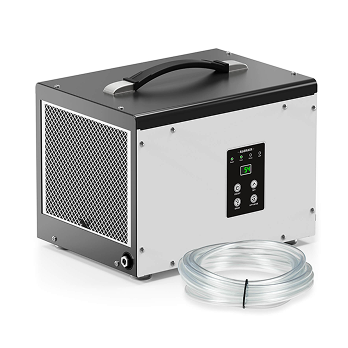
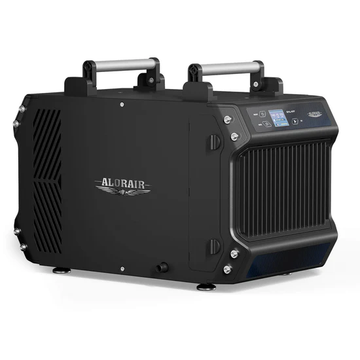
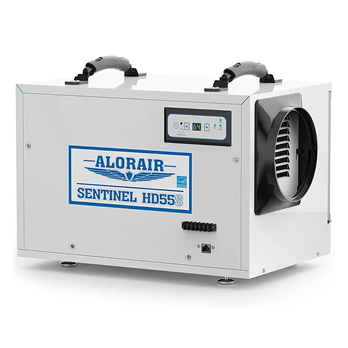
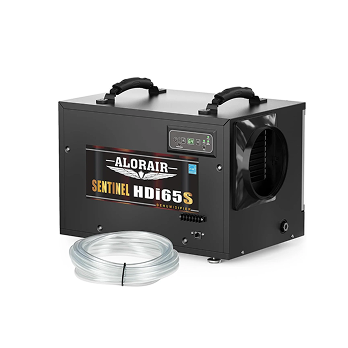
Monitor the crawl space after cleanup. If humidity remains elevated after leaks, drainage, and ground moisture have been addressed, a properly sized dehumidifier may help control residual airborne moisture. It cannot remove standing water, repair a leak, eliminate existing mold, or replace a vapor barrier.
Regular Maintenance and Inspection
Inspect the crawl space at least once or twice a year and after major storms, plumbing leaks, pest activity, or repair work. Look for new debris, damaged insulation, standing water, musty odors, droppings, torn vapor-barrier material, and changes in the condition of wood or subflooring.
If a dehumidifier, sump pump, drain, or humidity monitor is installed, check that it is operating correctly and that hoses and discharge lines remain clear. Repeated cleanup usually means the original water or pest problem has not been fully corrected.
Final Thoughts
Cleaning out a crawl space involves more than removing old boxes and loose debris. Inspect the area first, stop active water, handle mold and animal waste safely, remove damaged materials, clean accessible surfaces, and dry the space before installing moisture-control products.
Do not enter when standing water, electrical hazards, sewage, unstable framing, suspected asbestos, extensive mold, or heavy pest contamination makes the space unsafe. In those situations, the appropriate professional can address the problem without spreading contamination through the home.
After cleanup, monitor the crawl space for returning moisture, odors, pests, and damaged insulation. If the same problem comes back, look for the source instead of simply repeating the cleanup.
FAQS
How often should you clean out a crawl space?
Inspect the crawl space once or twice a year and after major storms, plumbing leaks, pest activity, or repair work. A full cleanup is only necessary when debris, damaged insulation, contamination, or stored materials have accumulated.
Can I vacuum my crawl space?
You can use an appropriate filtered vacuum for ordinary dry dust after hazardous contamination has been ruled out. Do not vacuum rodent droppings, urine, nesting material, asbestos-containing materials, or extensive mold contamination.
Should I remove old insulation from a crawl space?
Remove insulation when it is wet, collapsed, moldy, heavily soiled, or contaminated by pests. Dry, intact insulation does not need to be removed simply because the crawl space is being cleaned.
Can I clean a crawl space myself?
Routine debris removal may be suitable for a homeowner when access is safe and there is no sewage, electrical hazard, unstable structure, suspected asbestos, extensive mold, or heavy pest contamination.
How much does it cost to clean out a crawl space?
Cost depends on access, the amount of debris, damaged insulation, standing water, mold, pest contamination, and disposal requirements. Routine debris removal is different from mold remediation, structural repair, waterproofing, or encapsulation, so estimates should separate those services.


