



White vinegar may kill or inhibit some types of mold, but it does not work against every species or on every material. Laboratory studies have found that acetic acid can affect certain fungi, but household results depend on the mold, the surface, the size of the affected area, and whether the underlying moisture problem has been corrected.
Vinegar may be considered for a small patch on a compatible hard surface. It should not be treated as a substitute for removing moldy porous materials, repairing leaks, or controlling indoor humidity.
Can Vinegar Kill Mold?
Vinegar may affect some types of mold, but the answer is not a simple yes. Household white vinegar contains acetic acid, which has shown antifungal activity against certain fungi under laboratory conditions. Other species may be less susceptible or unaffected.
For a small mold patch on a compatible hard surface, vinegar may be considered as one cleaning option. However, it should not be described as a guaranteed disinfectant, a universal mold killer, or a substitute for correcting the moisture source.
A 2015 experimental study evaluated several antifungal agents under laboratory conditions. Vinegar containing 4.0% to 4.2% acetic acid inhibited the growth of Penicillium chrysogenum but did not produce the same result against Aspergillus fumigatus. This limited evidence does not establish vinegar as a universal household mold killer.
Household white vinegar commonly contains about 5% acetic acid, although the concentration should be confirmed on the product label. Because susceptibility varies among fungal species, vinegar is better described as a limited cleaning option for certain compatible surfaces—not a guaranteed disinfectant or a complete remediation method.

Vinegar has important material limitations:
- Its acidity can etch or dull natural stone, damage some finishes and sealants, and discolor or corrode certain metals.
- On porous materials such as drywall, insulation, carpet padding, and unfinished wood, surface cleaning may not reach contamination below the surface.
- Even on a hard surface, vinegar should be tested in a hidden area and used only when the manufacturer permits acidic cleaners.
In short, vinegar may be considered for a small patch on a compatible hard surface, but it is not a reliable solution for mold that has penetrated porous materials or keeps returning.
Does Vinegar Kill Mold on Walls?
Vinegar may be considered for a small patch on a compatible painted or sealed wall, but test it first because acid can damage some paints and finishes. Drywall is porous, so visible growth may extend below the surface. If the drywall is soft, swollen, repeatedly damp, or affected beneath the paint, cleaning the surface with vinegar is unlikely to be sufficient.
Does Vinegar Kill Mold on Wood?
Vinegar may remove some visible residue from sealed or finished wood if the manufacturer permits acidic cleaners, but it can dull or damage certain finishes. Unfinished wood is porous, and mold may extend below the visible surface. Recurring growth, soft wood, staining, or suspected structural damage should be assessed rather than repeatedly treated with vinegar.
Does Vinegar Kill Mold on Fabric?
Do not assume vinegar can make a moldy fabric safe to keep. Follow the fabric manufacturer’s cleaning instructions, and wash only items that can be cleaned and dried completely. Fabrics affected by sewage, flooding, extensive growth, or mold that has reached padding or other hidden layers may need to be discarded.
Where Can You Use Vinegar on Mold?
Whether vinegar is appropriate depends as much on the material as on the mold itself.
| Surface | Should You Use Vinegar? | Recommendation |
|---|---|---|
| Glass and glazed tile | Possibly | Test first, clean physically and dry completely |
| Sealed countertops | Possibly | Confirm the manufacturer allows acidic cleaners |
| Painted surface | Use caution | Test a hidden area; investigate damage beneath the paint |
| Grout | Use caution | Repeated acid exposure may damage some grout or sealants |
| Finished wood | Usually avoid without testing | Vinegar may dull or damage the finish |
| Unfinished wood | Limited | Surface treatment may not reach deeper contamination |
| Natural stone | Avoid | Acid can etch marble, limestone, travertine and some stone finishes |
| Drywall and ceiling tile | Usually not appropriate | Mold may penetrate the material; replacement may be necessary |
| Carpet and insulation | Usually not appropriate | Complete cleaning and drying may be difficult |
| Metal | Use caution | Acid may discolor or corrode certain metals |
Why Mold Grows Indoors
Mold can grow when moisture remains on or inside materials that provide a suitable food source, including wood, drywall paper, carpet, fabric, and household dust. Darkness is not required for mold growth.
Common moisture sources include plumbing or roof leaks, flooding, condensation, damp foundations, wet building materials, and persistently high indoor humidity. Poor ventilation may allow moisture from showering, cooking, or laundry to remain longer, but ventilation alone will not correct an active leak or water intrusion.
The EPA recommends keeping indoor relative humidity below 60% and ideally between 30% and 50%. The CDC generally recommends keeping household humidity no higher than 50% where practical. A hygrometer can help track conditions, but humidity readings do not replace an inspection for leaks, damp materials, or hidden water damage.

How to Clean a Small Mold Patch Safely
Only attempt DIY cleaning when the affected area is small—generally less than about 10 square feet—and the surface can be cleaned and dried completely. Do not attempt routine DIY cleaning when the mold is associated with flooding, sewage, extensive water damage, or suspected contamination inside the HVAC system. Porous materials such as cardboard, ceiling tiles, carpet padding, and insulation may need to be discarded if they cannot be thoroughly cleaned and dried.
People with asthma, COPD, severe allergies, immune suppression, or other conditions that may increase the risks of mold exposure should not participate in the cleanup.
- Correct the leak, condensation, or other moisture source first.
- Wear gloves, eye protection, and a well-fitting respirator such as an N95.
- Check whether the surface manufacturer allows acidic cleaners, and test the vinegar on a small hidden area first.
- If you choose to use vinegar, apply a small amount only to a compatible hard surface in a well-ventilated area. Do not assume it will work against every type of mold.
- Physically remove visible mold with an appropriate cloth or brush.
- Dry the surface completely after cleaning.
- Stop and reassess if the material becomes damaged or the mold returns.
Never mix vinegar with bleach, hydrogen peroxide, ammonia, or any other cleaning product. Mixing vinegar with chlorine bleach can release dangerous chlorine gas. Do not use vinegar on natural stone or any material whose manufacturer advises against acidic cleaners.
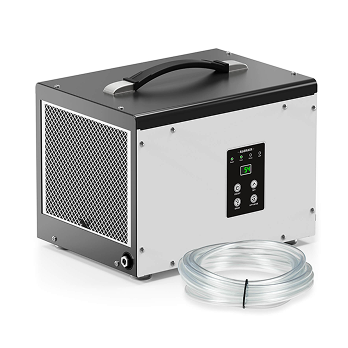
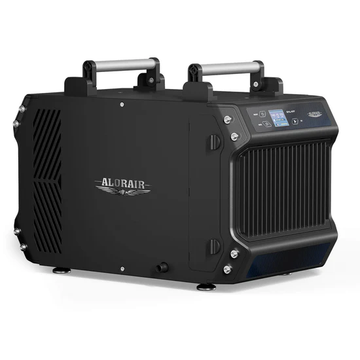
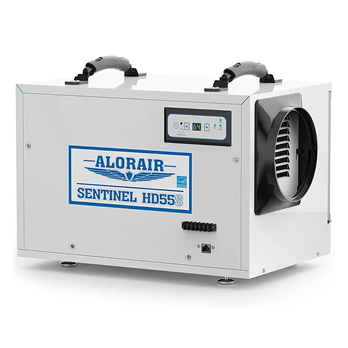
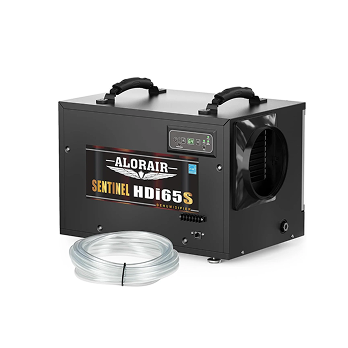
Cleaning may remove visible surface mold, but it does not correct the underlying moisture problem. Repair leaks and water intrusion first. If relative humidity remains elevated afterward, a dehumidifier can help control airborne moisture and reduce conditions that support mold growth, but it cannot remove existing mold or replace remediation.
When Vinegar Is Not Enough
Do not rely on vinegar alone when:
- Mold covers more than about 10 square feet
- Mold returns shortly after cleaning
- Drywall, insulation, carpet padding or other porous materials are affected
- There has been extensive flooding or water damage
- The water involved sewage or another contaminated source
- Mold may be inside the HVAC system
- The moisture source cannot be identified
- Someone in the home has asthma, COPD, severe allergies or immune suppression
Large, recurring or hidden mold growth requires more than a stronger cleaner. The moisture source must be corrected, and affected porous materials may need to be removed. If mold is located in a crawl space, see how crawl space mold remediation differs from cleaning a small surface patch.
How to Prevent Mold From Coming Back
Cleaning visible mold is only part of the solution. Repair leaks, dry wet materials promptly, vent moisture-producing rooms outdoors, and monitor humidity with a hygrometer.
Keep indoor relative humidity below 60% and preferably around 30% to 50% where practical. If moisture is concentrated beneath the home, compare the readings with the recommended crawl space humidity range and inspect for leaks, exposed soil, drainage problems, and damaged vapor barriers.
A dehumidifier can help when humidity remains high after leaks and drainage problems have been corrected. It does not kill existing mold, remove contaminated material or replace remediation.
 Frequently Asked Questions
Does Vinegar Kill Black Mold?
Vinegar should not be assumed to kill mold based on its color. Different species can look similar, and vinegar does not work against every fungus. Focus on the affected material, the size of the area, the moisture source, and whether the surface can be cleaned and dried safely.
How Long Does Vinegar Take to Kill Mold?
There is no universally proven household contact time that guarantees vinegar will kill every type of mold. Effectiveness varies by species, concentration, surface, and cleaning method. Follow the material manufacturer’s instructions, physically remove visible residue, and dry the surface completely.
Can You Mix Vinegar and Bleach to Kill Mold?
No. Never mix vinegar with chlorine bleach. The combination can release dangerous chlorine gas. Do not mix vinegar with hydrogen peroxide, ammonia, or other cleaning products either.
Will Vinegar Stop Mold From Coming Back?
No. Vinegar does not correct the moisture problem that allowed mold to grow. Repair leaks, dry wet materials, improve appropriate ventilation, and control persistent high humidity. If the moisture source remains, mold is likely to return regardless of the cleaner used.
Final Thoughts
So, does vinegar kill mold? It may inhibit or remove some mold from certain compatible hard surfaces, but it does not work against every species and should not be treated as a complete remediation method.
For mold affecting drywall, insulation, carpet, unfinished wood, HVAC components, or a large or recurring area, cleaning with vinegar is unlikely to solve the underlying problem. Correct the moisture source first, remove or professionally assess materials that cannot be cleaned and dried, and seek qualified help when the affected area or exposure risk is beyond a small household cleanup.


