



Quick Answer: Yes, a dehumidifier can help with mold by lowering the humidity that supports new growth. However, it cannot kill mold, remove existing colonies, repair water damage, or capture all airborne mold spores. If mold is already present, clean or remediate it safely, fix the moisture source, and then use a dehumidifier to help prevent it from returning.
Finding mold in a basement, bathroom, or crawl space often leads to the same question: will running a dehumidifier solve the problem? It can be an important part of the solution, but only when excess airborne humidity is contributing to the moisture. A leak, flood, wet material, or drainage problem still needs to be corrected separately.
Why Does Mold Grow Indoors?
Mold spores are naturally present indoors and outdoors, but they need moisture to begin growing on building materials and household surfaces. Common sources include plumbing leaks, roof leaks, condensation, flooding, damp soil beneath a home, and sustained high indoor humidity.
Mold can grow on wood, drywall, insulation, carpet, fabric, dust, and other materials that remain damp. Reactions to mold exposure vary, and some people are more sensitive than others. The most important practical response is to remove visible mold safely, correct the source of moisture, and dry affected materials rather than relying on a dehumidifier alone.
How Does Mold Form?
Conditions for Mold Growth
Mold thrives in environments where moisture and organic material are present. Here are the primary conditions that promote mold growth:
High Humidity: Mold needs moisture to grow, and sustained high relative humidity can keep surfaces damp enough to support growth. An independent hygrometer can help you identify whether humidity is contributing to the problem, but remember that condensation or a hidden leak can create localized moisture even when the room’s average humidity appears acceptable.
Poor Ventilation: Spaces with poor airflow, such as basements, crawl spaces, and attics, are more prone to mold growth because the air remains stagnant and damp.
Water Leaks and Flooding: Any area that has experienced water damage, leaks, or flooding is at a high risk of mold growth. The dampness provides a fertile ground for mold spores to develop.
Organic Materials: Mold feeds on organic materials like wood, drywall, and fabrics. When these materials become damp, they become breeding grounds for mold.
Understanding these conditions is the first step in mold prevention. Next step is understanding ‘does a dehumidifier help with mold?’
Common Places Mold Grows in Homes
Mold can grow almost anywhere there's moisture. But here are the most common spots:
1. Crawl spaces
2. Basements
3. Bathrooms
4. Kitchens
5. Around windows and in attics
Crawl spaces are especially at risk. They're dark, often unsealed, and tend to hold in moisture from the ground or air. If not properly protected, mold can grow under your home without you even knowing it.
Can Indoor Mold Affect Your Health?
Yes, indoor mold can affect health, although reactions vary from person to person. Some people experience no noticeable effects, while others—particularly those with mold allergies, asthma, weakened immune systems, or chronic lung conditions—may be more sensitive.
Possible reactions to indoor mold exposure include:
- A stuffy or runny nose
- Coughing, wheezing, or throat irritation
- Red, itchy, or watery eyes
- Skin irritation or rashes
- More noticeable symptoms in people with mold allergies
- Asthma symptoms triggered or worsened in some individuals
These symptoms can also be caused by many other conditions, so they should not be used to diagnose a mold-related illness. Anyone experiencing persistent symptoms, breathing difficulties, or severe reactions should consult a healthcare professional. People with weakened immune systems or chronic lung diseases should seek medical advice before entering or cleaning a mold-contaminated area.
A dehumidifier cannot remove existing mold or treat health symptoms. However, it can help maintain lower indoor humidity, making the environment less favorable for future mold growth. Existing mold must still be removed safely, and the underlying moisture source—such as a leak, condensation, or water intrusion—must be corrected.
What is a Dehumidifier?
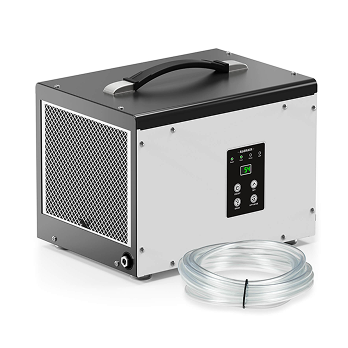
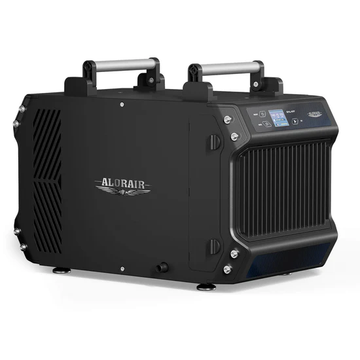
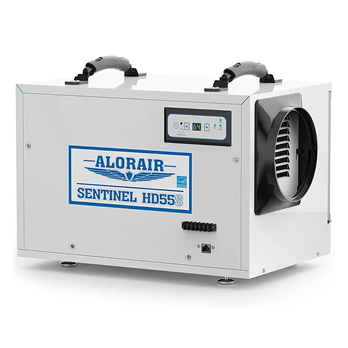
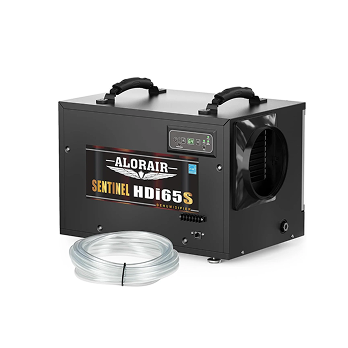
A dehumidifier draws in humid air, removes part of its moisture, and returns drier air to the room. Its humidistat then cycles the unit as needed to maintain the selected relative-humidity level. This can reduce condensation and make the environment less favorable for mold, but the most appropriate setting can vary with the season, temperature, climate, and conditions inside the space.
How Does a Dehumidifier Help With Mold?
A dehumidifier helps by removing excess water vapor from the air. When indoor humidity is contributing to damp surfaces, condensation, or musty conditions, lowering the humidity reduces one of the main resources mold needs to grow.
This makes a dehumidifier especially useful in basements, crawl spaces, laundry areas, and other locations where humidity remains elevated for long periods. It can also help keep materials dry after the original leak or water source has been repaired.
What Can’t a Dehumidifier Do?
A dehumidifier does not kill mold, remove visible growth, repair leaks, dry materials that are still receiving water, or clean contaminated surfaces. Existing mold may stop expanding under drier conditions, but it does not simply disappear and may begin growing again if moisture returns.
If mold is already present, correct the water problem and determine whether the affected material can be cleaned or needs to be removed. Larger, recurring, contaminated, or difficult-to-access problems may require professional assessment. For crawl spaces specifically, the crawl space mold remediation process explains how removal and long-term moisture control serve different purposes.
How to Prevent Mold From Returning
- Repair plumbing, roof, foundation, and drainage problems first.
- Dry wet materials as quickly as possible after a leak or flood.
- Use bathroom, kitchen, and laundry exhaust systems that vent outdoors.
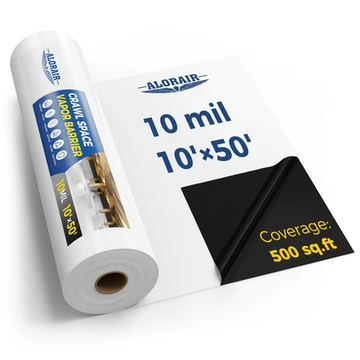
- Install and seal a ground vapor barrier where exposed crawl space soil is contributing moisture.
- Monitor relative humidity with an independent hygrometer.
- Use a properly sized dehumidifier when indoor humidity remains elevated.
- Inspect previously affected areas for condensation, water stains, musty odors, or renewed growth.
- Clean the dehumidifier’s filter, tank, coils, and drainage system as directed so the unit does not become a source of odors or contamination.
How to Choose a Dehumidifier for Mold Prevention
Choose a dehumidifier based on the size and dampness of the space rather than assuming that the highest-capacity model is always best. Temperature, air leakage, room layout, drainage, and the amount of moisture entering the space also affect the capacity you need.
For basements and crawl spaces, look for an operating-temperature range suited to the location, automatic defrost, a built-in humidistat, continuous drainage, and enough clearance around the air inlet and outlet. A pump may be useful when condensate cannot drain downhill by gravity.
If you are unsure about capacity, compare the space’s square footage and moisture conditions using the guide to choosing the right dehumidifier size. Once you know the required capacity and drainage setup, you can compare suitable basement and crawl space dehumidifiers.
Tips for Using a Dehumidifier Effectively
Placement: Put the unit on a stable surface with the inlet and outlet clear of walls, stored items, and insulation. Follow the manufacturer’s clearance requirements. Large, divided, or irregular spaces may require ducting or more than one air-distribution point rather than simply placing the unit in the center.
Airflow: Allow air to circulate through the unit, but do not assume that opening exterior windows or crawl space vents will help. In humid weather, outdoor air can add more moisture and increase the dehumidifier’s workload.
Humidity setting: Use an independent hygrometer to check conditions and allow the humidistat to control compressor operation. Avoid selecting an unnecessarily low setting, which may increase runtime without addressing leaks or wet materials.
Drainage: Use a gravity drain when the hose can maintain a continuous downward slope. If water must travel upward, choose a suitable condensate pump and inspect the drain regularly for clogs or kinks.
Maintenance: Clean or replace the filter and maintain the collection tank, coils, drain hose, and pump according to the manufacturer’s instructions.
Frequently Asked Questions
Does using a dehumidifier reduce mold growth in homes?
Yes. A dehumidifier can reduce the risk of mold growth by lowering excess indoor humidity and helping surfaces stay drier. However, it will not solve mold caused by plumbing leaks, flooding, condensation inside walls, or persistently wet materials. Those moisture sources must be corrected separately.
How effective are dehumidifiers at preventing mold growth?
A dehumidifier can be highly effective when excess airborne humidity is the main moisture source and the unit is properly sized for the space. Its effectiveness decreases when outside air is entering continuously, drainage problems remain unresolved, or wet materials are still releasing moisture. Use a hygrometer to confirm that the unit is maintaining stable conditions rather than judging performance only by how often it runs.
How fast does a dehumidifier help with mold?
A properly sized dehumidifier may begin lowering relative humidity within a few hours, but it can take longer to stabilize a very damp room, basement, or crawl space. The actual time depends on the starting humidity, temperature, room size, air leakage, wet materials, and the unit’s moisture-removal capacity. Lowering humidity can limit future growth, but it does not remove mold that is already present.
Does a dehumidifier kill mold?
No. A dehumidifier removes moisture from the air but does not kill, clean, or remove existing mold. Mold may stop spreading under drier conditions, but it can remain on affected materials and begin growing again if moisture returns. Existing mold still needs to be removed safely, and the underlying moisture source must be fixed.
Final Thoughts
So, does a dehumidifier help with mold? Yes—but only by controlling the moisture that supports growth. It cannot remove mold that is already present or replace leak repair, drainage, ventilation, cleaning, or professional remediation when those measures are needed.
Start by identifying the source of moisture. Remove existing mold safely, dry affected materials, and then use a properly sized dehumidifier to maintain more stable humidity. When these steps work together, the chance of mold returning is lower than when a dehumidifier is used as the only solution.


