



A vapor barrier doesn’t underperform because it’s missing—it underperforms because it’s placed incorrectly.
Moisture follows predictable paths. It rises from the ground, moves through porous materials like concrete, and spreads into enclosed spaces. If the barrier isn’t installed at those entry points, it won’t stop the problem. It may reduce it slightly, but it won’t solve it.
This is why placement matters more than most people expect. A correctly installed crawl space vapor barrier blocks moisture at its source. A poorly placed one simply delays the issue.
Understanding where to install it is what turns a vapor barrier from a basic upgrade into a long-term solution.
Most Moisture Problems Start With Wrong Placement
The first and most critical location for any vapor barrier is directly over the soil.
Even when the ground looks dry, it continuously releases water vapor. This process doesn’t stop. Over time, that vapor builds up, raising humidity levels inside the crawl space. Once humidity climbs high enough, it creates the perfect environment for mold growth and structural damage.
A proper basement crawl space vapor barrier must cover the entire ground surface. Any exposed soil becomes an entry point for moisture, weakening the system as a whole.
This is where most installations fail—not because the barrier isn’t present, but because coverage is incomplete.
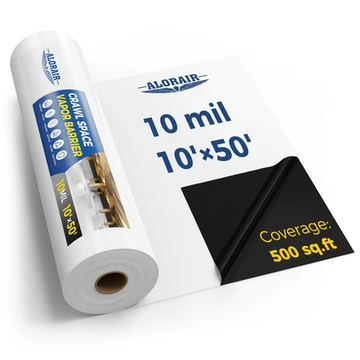
Using a durable material also plays a role in long-term performance. A reliable option like the AlorAir crawl space vapor barrier helps maintain full coverage and resists damage over time, ensuring the ground remains sealed.
Why Full Ground Coverage Is Non-Negotiable
Partial coverage doesn’t work. Even a small exposed area allows moisture to escape into the crawl space.
Think of the vapor barrier as a continuous shield. If there are gaps, the system loses integrity. Moisture doesn’t need a large opening—it will move through any available path.
That’s why every inch of soil must be covered. Overlapping sections should be sealed, not just laid side by side. Without sealing, vapor can pass through seams and reduce effectiveness.
This is one of the most common mistakes in DIY installations. The barrier is present, but it isn’t continuous, which limits its performance.
Extending the Barrier Up Foundation Walls
While the ground is the main source of moisture, it’s not the only one.
Concrete foundation walls can absorb and transfer moisture from the surrounding soil. This is especially common in humid regions or areas with high groundwater levels. If the barrier only covers the floor, moisture can still enter through the walls.
Extending the crawl space vapor barrier up the walls improves moisture control significantly. Even a small extension—six to twelve inches—can reduce humidity levels more effectively than floor-only coverage.
In more advanced systems, the barrier runs from the ground all the way up the walls. This approach creates a sealed environment that limits moisture movement from all directions.
The difference is noticeable. Spaces with wall coverage maintain more stable humidity levels and experience fewer long-term moisture issues.
Sealing Around Piers, Pipes, and Structural Elements
Every crawl space has interruptions in the floor—support piers, plumbing lines, electrical conduits, and HVAC components. These areas break the surface of the barrier and create potential gaps.
If these gaps aren’t sealed properly, moisture will find its way through them. This is one of the most overlooked parts of installation. The main floor may be covered perfectly, but unsealed penetrations allow moisture to bypass the system.
Seal each of these areas carefully to keep the barrier continuous. The goal is to eliminate every possible path for moisture to enter.
Even small openings can reduce overall performance, which is why attention to detail matters here.
Basement Crawl Spaces: Different Structure, Same Principle
A vapor barrier in a basement crawl space often has different conditions compared to a standard crawl space.
Instead of exposed soil, many basements have concrete slabs. While this reduces direct vapor release, it doesn’t eliminate moisture entirely. Concrete is porous and allows moisture to pass through over time.
In these cases, install vapor barriers in several key areas:
-
Over any exposed soil areas
-
Along foundation walls to limit moisture transfer
-
Beneath flooring systems in finished basements
The objective remains the same—stop moisture before it enters the air inside the home.
In basement environments, combining vapor barriers with proper drainage systems provides the most effective results. The barrier handles vapor, while drainage addresses liquid water.
The Role of Crawl Space Vents
Traditional crawl spaces are often vented to allow airflow. The idea is that moving air helps remove moisture, but in many climates, this approach doesn’t work as intended.
In humid conditions, vents bring in outside air that already contains moisture. Instead of reducing humidity, they increase it.
If a vapor barrier is installed but vents remain open, the system becomes less effective. Moisture can still enter from outside, bypassing the barrier’s purpose.
Seal the vents as part of a full encapsulation system. This keeps crawl space humidity stable and blocks outdoor air from affecting it.
Vapor Barriers in Greenhouse Applications
The concept of moisture control also applies outside residential settings. A vapor barrier for greenhouse use serves a different purpose but follows similar principles.
In greenhouses, you control moisture, not eliminate it. Install a barrier under the soil or flooring to stop excess ground moisture from affecting plant conditions.
Too much moisture can lead to root issues, fungal growth, and unstable growing conditions. The barrier helps regulate moisture levels, creating a balanced environment.
Unlike crawl spaces, where the goal is to reduce humidity as much as possible, greenhouses require consistency. The barrier supports this by preventing uncontrolled moisture from below.
What Happens When Placement Is Done Correctly
When a vapor barrier is installed in the right locations, the results are consistent and measurable.
Humidity levels in the crawl space often drop by 50%, depending on the initial conditions. This reduction directly limits mold growth, as mold requires sustained moisture to thrive.
Lower humidity also improves energy efficiency. Dry air is easier to heat and cool, reducing the workload on HVAC systems. Over time, this leads to more stable indoor temperatures and lower energy use.
Structural components benefit as well. Wood remains dry, insulation performs better, and the risk of long-term damage decreases.
These outcomes depend entirely on placement. Missing even one key area allows moisture to continue entering the space.
Common Placement Mistakes That Reduce Effectiveness
Most vapor barrier issues come down to avoidable mistakes:
Leaving sections of soil uncovered
-
Failing to extend the barrier onto walls
-
Not sealing around pipes and structural supports
-
Installing over wet ground without addressing drainage
-
Each of these creates a pathway for moisture to bypass the system.
A vapor barrier must function as a continuous seal. Any break in that seal reduces its effectiveness
Wrap Up
For a crawl space vapor barrier to actually do anything, it has to be in the precise spot where moisture is getting in. It needs to go on the floor, continue up the walls, and have absolutely every opening sealed it must be a whole, thorough solution, not just bits and pieces of one. If you don't manage all of that, damp will still seep in.
Get it right with the install, and you’ll enjoy drier air, a house that’s easier to breathe in, lower heating and cooling bills, and a home that’s safeguarded for years to come. And to get reliably great results, a tough barrier like Alorair’s 10mil Crawl Space Vapor Barrier, installed covering everything with a good seal, is the way to go.


