
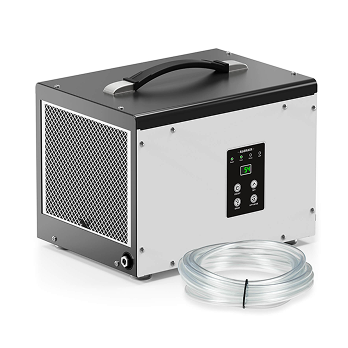
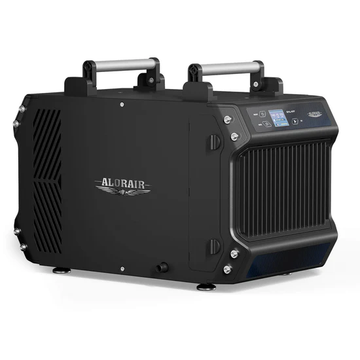
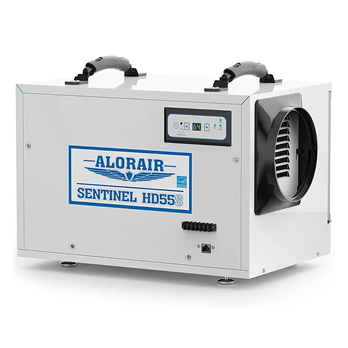
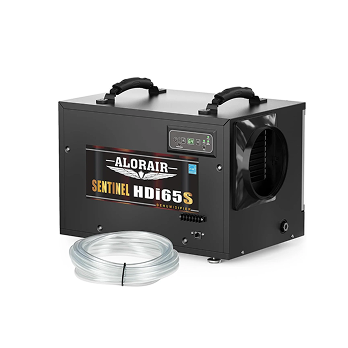


Dusty, Damp, and Dirty are usually the words we use to describe a crawl space. It’s no surprise. But now thanks to modern inventions you can replace these words with dry, clean, etc. Keeping your crawl space dry and free from moisture is essential for maintaining the overall health of your home. A damp crawl space can lead to numerous issues, including mold growth, wood rot, and poor indoor air quality.
One of the most effective ways to combat these problems is by installing a crawl space vapor barrier. This simple yet powerful solution works hand-in-hand with a crawl space dehumidifier to ensure optimal moisture control. In this guide, we'll explore the importance of Crawl Space Vapor Barriers, and the benefits they offer, and provide you with a step-by-step guide on how to install one effectively.
What is a Crawl Space Vapor Barrier?
A Crawl Space Vapor Barrier is a crucial component in maintaining a healthy and dry crawl space. This protective layer is usually made from durable materials like polyethylene sheeting and is installed on the floor and walls of the crawl space. The primary function of a vapor barrier is to block moisture from the ground, preventing it from seeping into the crawl space where it can cause significant problems.
Polyethylene sheeting is the most commonly used material for vapor barriers due to its strength and moisture resistance. It acts as a shield against water vapor rising from the soil, which, if left unchecked, can lead to various issues such as mold growth, wood rot, and compromised air quality inside the home.
Why You Need a Crawl Space Vapor Barrier
Moisture Control
One of the primary reasons homeowners install a Vapor Barrier for crawl space is for moisture control. Excess moisture in your crawl space can lead to a variety of issues, including mold growth, wood rot, and even pest infestations. By acting as a crawl space moisture barrier, the vapor barrier prevents moisture from the ground from entering your crawl space, thus reducing the overall humidity levels.
Enhancing the Efficiency of a Crawl Space Dehumidifier
If you're already using a crawl space dehumidifier, adding a vapor barrier can significantly enhance its efficiency. A vapor barrier for your crawl space reduces the overall moisture load, allowing your dehumidifier to work more effectively and use less energy. This synergy between the vapor barrier and the dehumidifier ensures comprehensive crawl space moisture control.
Preventing Structural Damage
Moisture can wreak havoc on the structural integrity of your home. Over time, it can cause wood beams to rot, metal components to rust, and even foundations to weaken. Installing a vapor barrier in your crawl space acts as the first line of defense against these moisture-related issues, helping to preserve the structural integrity of your home.
Improving Indoor Air Quality
Believe it or not, the air quality in your home is directly connected to the condition of your crawl space. As moisture accumulates, it can lead to the growth of mold and mildew, which can release spores into the air, leading to respiratory issues and other health problems. A Vapor Barrier for crawl space helps in preventing mold in crawl space, thereby improving the overall crawl space air quality and ensuring that the air in your living spaces remains clean and healthy.
Energy Efficiency
By controlling moisture and maintaining a stable environment in your crawl space, a vapor barrier can also contribute to better energy efficiency in your home. Excess moisture can make your home feel colder in the winter and hotter in the summer, leading to higher energy usage as your HVAC system works harder to maintain comfortable temperatures. With a Crawl Space Vapor Barrier in place, you can help your home stay more comfortable year-round, potentially lowering your energy bills.
"Installing a vapor barrier crawl space is not just about protecting your home from moisture; it's about safeguarding your investment and ensuring a healthier living environment."
Types of Crawl Space Vapor Barriers
Choosing the right vapor barrier crawl space is essential to effectively manage moisture and protect your home from the negative impacts of excess humidity. Here’s a breakdown of the most common types of vapor barriers and their benefits.
1. Polyethylene Sheeting
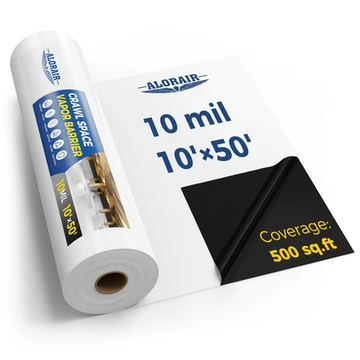
Polyethylene sheeting is the most widely used and effective material for crawl space vapor barriers. Available in varying thicknesses—typically between 6 and 20 mils—this material offers excellent moisture resistance and durability. The thicker the sheeting, the more durable it is, making it better suited for areas with higher moisture levels or rough surfaces.
Pro Tip: When selecting polyethylene sheeting, consider using at least 10-mil thickness for adequate protection. This thickness balances durability and ease of installation, ensuring long-term performance.
Polyethylene sheeting creates a solid barrier against moisture, preventing it from seeping into your crawl space. It’s an excellent choice for most homes due to its cost-effectiveness and ease of installation.
2. Reinforced Vapor Barriers
For areas with higher moisture levels or uneven surfaces, reinforced vapor barriers are a more durable option. These barriers consist of polyethylene sheets reinforced with a mesh material, providing extra strength and resistance to tears and punctures. This type of crawl space moisture barrier is ideal for locations prone to more extreme conditions.
Pro Tip: If you live in an area with heavy rainfall or a high water table, investing in a reinforced vapor barrier is worth the extra cost. It provides added protection against ground moisture, helping to maintain a drier, more stable crawl space.
3. Foil-backed Barriers
Foil-backed vapor barriers offer an additional benefit: insulation. These barriers not only block moisture but also reflect heat, contributing to crawl space insulation. This can be particularly beneficial in colder climates where retaining heat is essential. However, they are less common and typically more expensive than standard polyethylene options.
Pro Tip: Use foil-backed barriers in conjunction with traditional insulation materials for the best results in energy efficiency and moisture control.
How Vapor Barrier Installation Works
The actual installation is fairly uncomplicated, but it's being careful that makes it work.
The entire crawl space floor must be covered. Even a small patch of exposed soil lets moisture out and ruins the whole system. You roll the barrier out and lay it flat on the ground with no pulling or gaps.
When the edges of the sheets meet, they need to overlap by at least six to twelve inches. But overlapping isn't sufficient - you also have to seal each join with special vapor barrier tape. It’s this sealing that turns a simple piece of plastic into a working moisture control system.
Getting that barrier extending up the foundation walls makes a truly substantial difference. Moisture isn't just coming up from the earth; it's also getting in through the concrete of your walls. By running the barrier higher, you gain far more control over the dampness and can lower humidity much more successfully.
And every place something comes through the floor - all your pipes, supporting posts, and the structural bits - each one absolutely has to be carefully sealed. These are where things most often go wrong, and even a little opening can let the moisture get around the whole system.
How to Install a Crawl Space Vapor Barrier
Proper installation of a vapor barrier crawl space is crucial to ensuring its effectiveness in managing moisture and protecting your home. Here’s a step-by-step guide on how to install a crawl space vapor barrier.
Tools and Materials
1. Vapor barrier material (polyethylene sheets)
2. Measuring tape
3. Scissors or utility knife
4. Double-sided tape or adhesive
5. Crawl space dehumidifier
6. Work gloves and protective eyewear
7. Headlamp or portable work light
8. Knee pads (optional, but recommended for comfort)
Preparation
Before starting the installation, it's essential to prepare the crawl space adequately. Begin by inspecting the area for existing moisture issues, such as standing water, mold, or wood rot. Any moisture problems should be addressed using a crawl space dehumidifier to ensure a dry environment before the vapor barrier installation. A dehumidifier is an essential tool in crawl space moisture control. Running a dehumidifier for several days before installing the vapor barrier can help reduce humidity levels and prevent mold growth.
Measuring and Cutting the Barrier
Accurate measurement is key to ensuring complete coverage. Measure the dimensions of your crawl space, including the walls and any obstacles, to determine how much material you’ll need. Cut the vapor barrier to size, allowing for some overlap at the seams to ensure a secure fit.
Pro Tip: Leave an extra 6 to 12 inches when cutting the material for overlapping seams. This extra material helps ensure a tighter seal and better protection.
Installing the Vapor Barrier
Start by laying the vapor barrier on the floor of the crawl space, making sure it covers the entire area. Secure the barrier to the walls using adhesive or mechanical fasteners. Pay special attention to corners and edges, ensuring the barrier lies flat and covers all surfaces.
Pro Tip: Use a heavy-duty adhesive to secure the vapor barrier to the walls, especially in areas prone to moisture. This helps prevent the barrier from loosening over time.
Sealing the Barrier
Sealing the seams and edges is critical to the barrier’s effectiveness. Use high-quality adhesive tape to seal all seams between sheets, and apply caulk or additional adhesive around the edges where the barrier meets the walls.
“Proper sealing is the difference between a vapor barrier that works and one that doesn’t. Don’t skimp on sealing materials—this is where you ensure moisture stays out.” – Lisa R., Crawl Space Contractor
Finalizing the Installation
Once the vapor barrier is in place and all seams are sealed, inspect the entire installation to ensure there are no gaps, tears, or loose areas. Make any necessary adjustments to ensure a tight, secure fit. After installation, regularly check the vapor barrier for signs of wear or damage. Keeping the barrier intact is crucial for long-term crawl space moisture control.
With the vapor barrier installed, you can now enjoy a more protected and energy-efficient home. Implementing a vapor barrier for your crawl space along with a crawl space dehumidifier will significantly improve your home's air quality and protect it from moisture-related issues.
Common Mistakes to Avoid When Installing a Vapor Barrier
Poor Sealing:
1. Ensure seams and edges are tightly sealed using high-quality adhesive tape or sealant.
2. Double-check for gaps after installation.
Overlapping Issues:
1. Overlap sheets by 6 to 12 inches to create a continuous barrier.
2. Firmly press sheets together before sealing.
Ignoring Existing Moisture Problems:
1. Address moisture issues before installation by drying the area with a crawl space dehumidifier.
2. Standing water or high humidity can render the barrier ineffective.
Improper Ventilation:
1. Maintain proper ventilation to prevent moisture accumulation.
2. Consider adding vents or using a dehumidifier to keep the space dry.
Maintaining Your Crawl Space with a Vapor Barrier and Dehumidifier
Regular Inspections:
1. Inspect the vapor barrier regularly for wear, tears, or gaps.
2. Address any issues immediately to prevent moisture problems.
Using a Crawl Space Dehumidifier:
1. Set the dehumidifier to maintain humidity levels between 30% and 50%.
2. It helps prevent mold and mildew growth.
Cleaning and Maintenance:
1. Clean the vapor barrier and dehumidifier filters regularly.
2. Keep a maintenance log to track inspections and cleanings
Conclusion
Installing a crawl space vapor barrier is a vital step in protecting your home from the damaging effects of moisture. By preventing ground moisture from seeping into your crawl space, a vapor barrier helps safeguard your home’s structure, improve indoor air quality, and enhance energy efficiency. Coupling a vapor barrier with a crawl space dehumidifier provides comprehensive moisture control, ensuring that your home remains dry and healthy.
“A crawl space vapor barrier, combined with a dehumidifier, is one of the most effective ways to prevent moisture-related problems and maintain a safe, comfortable home environment.” – Tom., Home Improvement Expert
Take control of your home’s moisture levels today.
Visit Aloraircrawlspace to explore our range of high-quality crawl space dehumidifiers and vapor barriers designed to combat humidity effectively. Protect your home, improve air quality, and ensure lasting comfort with our reliable products. If you have questions or need personalized advice, don’t hesitate to contact our experts or share your experiences in the comments section below.
FAQs
What thickness of vapor barrier is recommended for a crawl space?
A vapor barrier with a thickness of at least 10 mils is recommended for most crawl spaces. Thicker barriers (up to 20 mils) offer greater durability and moisture resistance.
How does a crawl space dehumidifier work with a vapor barrier?
A crawl space dehumidifier works in conjunction with a vapor barrier by removing excess moisture from the air, while the vapor barrier prevents ground moisture from entering the crawl space.
Can I install a vapor barrier myself, or should I hire a professional?
While it is possible to install a vapor barrier yourself, hiring a professional ensures the job is done correctly, especially if your crawl space has unique challenges or existing moisture issues.
How often should I check my crawl space vapor barrier and dehumidifier?
You should inspect your crawl space vapor barrier and dehumidifier at least once every three months to ensure they are functioning properly and address any issues that arise.


