


There’s nothing quite like the vibrant greenery of houseplants to brighten a home. They add beauty, a touch of nature, and can even subtly improve air quality. However, if you've recently noticed a fuzzy white, gray, or even black growth on the soil surface, you're likely asking: "Why is there mold in my plant?"
Mold in houseplants isn't just an unsightly problem; it's a clear indicator of an unbalanced indoor environment that can impact both your plants and your health. At AlorAir, we understand that controlling humidity is key to preventing mold, whether it’s in your crawlspace or your potted plants. This guide will delve into the root causes of plant mold, its risks, and professional strategies for a thriving, mold-free indoor garden.
Decoding Plant Mold: Is It Dangerous?
The mold you see on your plant's soil is typically a type of saprophytic fungi. This means it feeds on decaying organic matter in the soil. It's usually white, gray, yellow, or even green and often appears fuzzy or powdery.
- Is it dangerous for the plant? While unsightly, this type of mold rarely harms the plant directly, as it feeds on dead matter, not the living plant itself. However, it signifies conditions that can harm the plant (like overwatering).
- Is it dangerous for humans? The mold spores can become airborne and act as allergens, triggering symptoms like sneezing, coughing, and itchy eyes, especially for those with asthma or mold sensitivities. It's not usually the "toxic black mold" (Stachybotrys chartarum) you find in water-damaged homes, but it's still best to eliminate it.
The Primary Causes: Why Mold Appears on Plant Soil

Mold needs three things to grow: moisture, warmth, and a food source. Your plant’s soil offers all three, especially under certain conditions.
Overwatering
This is, by far, the most common reason for mold on plant soil.
- Persistent Moisture: Indoor plants, unlike outdoor ones, often don't get enough direct sunlight or air circulation to dry out quickly. If you water too frequently, the top layer of soil stays perpetually damp, creating a perfect habitat for mold.
- Winter Watering: In colder months, plants go dormant and need even less water. Overwatering during winter is a prime culprit.
Poor Drainage & Dense Soil
Even if you're not overwatering, bad drainage can lead to perpetually wet soil.
- No Drainage Holes: Pots without holes in the bottom will trap water, leading to root rot and surface mold.
- Compacted/Dense Soil: Soils with too much peat moss or fine particles can hold onto water for too long.
- Wrong Pot Size: A pot that's too large for the plant's root ball will hold excess soil, which retains unnecessary moisture.
High Ambient Humidity
Your home's overall humidity plays a significant role.
- Stagnant Air: If a room has poor air circulation and high humidity (above 60% RH), the soil surface will dry out very slowly, encouraging mold growth.
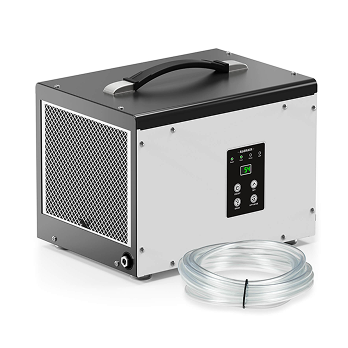
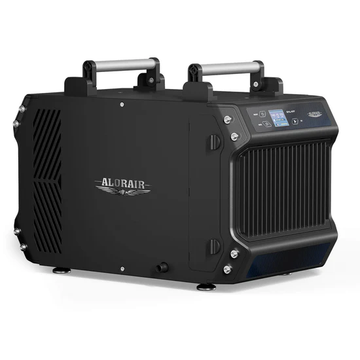
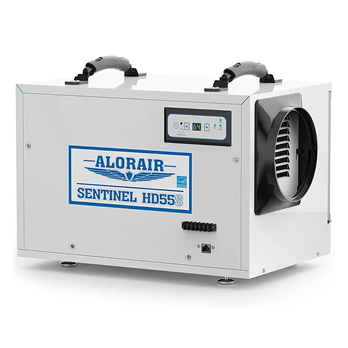
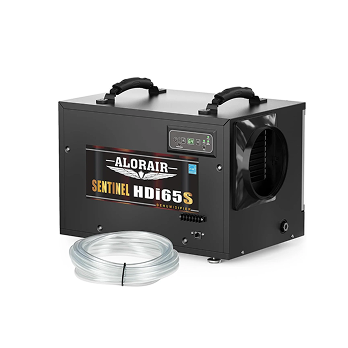
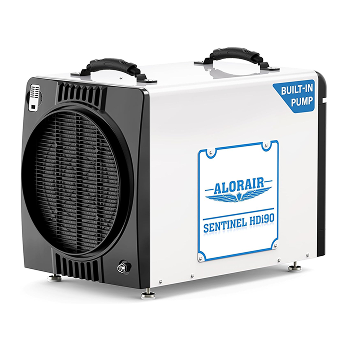
- The AlorAir Link: Just as high humidity in a crawlspace leads to mold, the same principle applies to your plants. An AlorAir Sentinel Dehumidifier can help maintain a healthy 40-50% RH throughout your home, benefiting both your foundation and your houseplants.
How to Get Rid of Mold on Plants (and Keep It Away)

Tackling plant mold is a multi-pronged approach that combines immediate removal with long-term environmental control.
Step-by-Step Removal:
- Scrape It Off: Gently scoop off the top inch or two of moldy soil and discard it. Avoid shaking it, as this releases spores.
- Repot (If Severe): For persistent mold or very dense soil, repotting the plant with fresh, well-draining soil can be beneficial.
- Sanitize the Pot: If reusing a pot, wash it thoroughly with a diluted bleach solution (1 part bleach to 9 parts water) to kill any lingering spores.
Long-Term Prevention Strategies:
- Water Wisely: Only water when the top 1-2 inches of soil are dry to the touch. Use your finger to check.
- Improve Drainage:
- Ensure all pots have drainage holes. Add a layer of gravel at the bottom.
- Use a well-draining potting mix (e.g., one with perlite, coarse sand, or bark).
- Increase Air Circulation:
- Move plants to areas with better airflow.
- Consider using a small fan on a low setting in rooms with many plants.
- Optimize Home Humidity:
- Maintain indoor Relative Humidity (RH) between 40% and 50%. An AlorAir Sentinel Dehumidifier is excellent for this, especially in basements or rooms with multiple plants.
The "Healthy Home" Ecosystem: Plants and Air Quality
While plants do release some moisture and filter minor air pollutants, they are not a substitute for proper environmental control. In fact, if not managed correctly, plants can contribute to indoor air quality problems by introducing mold spores.
|
Factor |
Benefit of Plants |
Risk of Improper Plant Care |
|
Oxygen/CO2 |
Photosynthesis converts CO2 to O2. |
Minimal impact on overall home air. |
|
Humidity |
Release some moisture. |
Overwatering/mold creates airborne spores. |
|
VOCs |
Absorb trace VOCs (e.g., benzene). |
Insufficient to address major pollution sources. |
|
Allergens |
Trap some dust on leaves. |
Mold spores from soil are potent allergens. |
AlorAir Solution: Think of your AlorAir dehumidifiers and air scrubbers as the core environmental controllers, and your plants as aesthetic enhancements that require careful management within that controlled environment.
Specific Plant Needs: Not All Greenery is Created Equal
While a 40-50% RH range is generally safe, some plants have specific needs that might influence your setup.
- Humidity Lovers: Ferns, orchids, and tropical plants thrive in higher humidity (up to 60%). For these, a localized pebble tray or a dedicated small humidifier (if managed daily) might be appropriate.
- Drought Tolerant: Cacti, succulents, and snake plants prefer very dry soil and can easily develop mold if overwatered or kept in excessively humid conditions.
- Soil Type: Research the ideal soil mix for each plant. A chunky, fast-draining mix is crucial for many popular houseplants.
Frequently Asked Questions
Does plant mold mean I have mold elsewhere in my house?
Not necessarily, but it's a strong indicator that your overall indoor humidity might be too high or that you have poor airflow. If you have plant mold, it's wise to check other common mold spots like bathrooms, basements, and crawlspaces.
Can I use baking soda or vinegar to kill plant mold?
A diluted solution of baking soda (1 teaspoon per quart of water) or apple cider vinegar (1 tablespoon per gallon of water) can sometimes kill surface mold. Spray lightly onto the affected soil. However, addressing the underlying moisture issue is more effective long-term.
What is the white powdery stuff on my plant leaves?
This is usually powdery mildew, a different type of fungus that affects the plant itself, not just the soil. It's often a sign of poor air circulation and high humidity around the leaves.
Do grow lights help prevent mold?
Yes, indirectly. Grow lights provide heat, which helps dry out the soil faster between waterings. They also promote plant growth, making the plant more efficient at using water.
Can mold in plant soil make my family sick?
While unlikely to cause severe illness, the spores released can trigger allergy and asthma symptoms, especially in sensitive individuals, infants, or the elderly. It's best to remove it promptly.
Should I use distilled water for my plants?
Distilled water won't prevent mold, but it will prevent mineral buildup in the soil, which can sometimes be mistaken for mold. It's more about preventing mineral toxicity in the plant than preventing mold.
Can I put activated charcoal in my plant soil?
Yes, activated charcoal can help absorb excess moisture and odors in the soil, which can indirectly help prevent mold. However, it's a supplementary measure, not a replacement for proper watering and humidity control.
Beyond the Pot: Comprehensive Home Humidity Management
Addressing mold on your plants is a good first step, but it should prompt a broader look at your home's humidity levels.
- Crawlspace Control: A damp crawlspace introduces massive amounts of moisture into your home, making it harder for plant soil to dry out and promoting mold everywhere. An AlorAir Sentinel Dehumidifier is essential for states with high average humidity.
- Basement Solutions: Basements are naturally cooler and can be prime mold zones. Installing an AlorAir unit here protects stored items and the air quality of the floors above.
- Air Scrubbers: If mold spores are already airborne from your plants (or other sources), an AlorAir PureAiro Air Scrubber with a HEPA filter can capture these microscopic particles, providing immediate relief for allergy sufferers.
Conclusion
"Why is there mold in my plant?" is a question that points to a larger story about your home's microclimate. By understanding the critical role of humidity, drainage, and watering habits, you can transform your indoor garden into a vibrant, healthy part of your living space.
At AlorAir, we provide the powerful dehumidification solutions that create an inhospitable environment for mold throughout your entire home—from the hidden crawlspace to the visible soil of your favorite houseplant. Cultivate health, not mold.


