



Bedroom air quality usually improves when you do four things: remove pollution sources, bring in clean outdoor air, control humidity and filter airborne particles. You do not need to buy several machines or completely remodel the room. Start with the source of the problem, then add equipment only where it helps.
The U.S. Environmental Protection Agency notes that concentrations of some indoor pollutants can be two to five times higher than typical outdoor levels. Bedrooms can collect dust, pet dander, pollen and chemicals released by furniture, mattresses, paint and cleaning products.
Poor indoor air may contribute to irritation, a dry throat or headaches, but these symptoms can have many causes. Persistent or severe symptoms should not be diagnosed from bedroom air quality alone.
What Can Affect Bedroom Air Quality?
Bedrooms contain more soft surfaces than many other rooms. Mattresses, pillows, curtains, rugs and upholstered furniture can collect dust and allergens over time.
Common bedroom air-quality problems include:
- Dust and dust mite allergens in bedding, carpets and fabric
- Pet dander carried into the room on animals or clothing
- Pollen entering through windows or attaching to clothes
- Mold caused by condensation, leaks or high humidity
- Volatile organic compounds released by some furniture, paint and household products
- Smoke, candles, incense and other combustion sources
- Poor ventilation that allows carbon dioxide and odors to build up
- Moisture entering from an adjacent bathroom, basement or crawl space
You may have more than one problem. A HEPA filter can help with airborne particles, for example, but it cannot repair a leak or bring fresh outdoor air into the room.

1. Remove or Reduce Pollution Sources
Source control is usually the best place to begin. Removing a pollutant is more effective than trying to filter it after it enters the air.
Keep smoking, vaping, incense and frequent candle burning out of the bedroom. Even candles made from soy or beeswax can release particles and gases while burning.
Choose low-emission paints, adhesives and furniture when possible. Unpack new mattresses, rugs and furniture in a well-ventilated, unoccupied area and follow the manufacturer’s instructions before moving them into the bedroom.
If a new product produces a strong odor, increase ventilation and give it more time to air out. A carbon filter may reduce certain odors, but it does not replace source removal.
Avoid heavily scented sprays and cleaning products if they irritate your eyes, nose or throat. Fragrance does not make indoor air cleaner.
2. Clean Bedding and Other Soft Surfaces
Bedding collects skin flakes, dust, pollen and pet dander. Regular cleaning can reduce the amount that builds up and becomes airborne.
Wash sheets and pillowcases each week using the hottest water setting that is safe for the fabric. Follow the care label instead of using one temperature for every material.
Use zippered allergen-resistant covers on mattresses and pillows if dust mites are a concern. Wash blankets, mattress pads and washable curtains regularly.
Vacuum carpets and rugs with a machine that has effective particle filtration. Move slowly instead of making one quick pass. Dust hard surfaces with a damp microfiber cloth so that particles are collected rather than pushed back into the air.
Keep pets out of the bedroom if pet dander triggers symptoms. If that is not practical, wash bedding more frequently and keep pets off pillows and sheets.
3. Ventilate When Outdoor Air Is Clean
A closed bedroom can feel stuffy after several hours of sleep. Opening a window or using mechanical ventilation can bring in outdoor air and reduce carbon dioxide and indoor odors.
Before opening windows, check outdoor air quality, smoke conditions, pollen levels, temperature and humidity. Keep windows closed when outdoor air is unhealthy or when pollen is especially high.
There is no universal 15-minute ventilation rule. The time needed depends on window size, wind, room volume and the difference between indoor and outdoor temperatures.
Leaving the bedroom door partly open may improve air movement within the home, but it does not guarantee outdoor-air ventilation. If carbon dioxide remains high overnight, consider a suitable mechanical ventilation system.
An air purifier can circulate and filter air, but it does not remove carbon dioxide. Ventilation is needed to address carbon dioxide buildup.
4. Keep Bedroom Humidity in a Healthy Range
Humidity affects comfort, mold growth and dust mite populations. Air that is too dry may irritate the nose and throat, while persistent dampness can support mold and dust mites.
Aim to keep indoor relative humidity below 60%, ideally around 30% to 50% when possible. The right level can vary with the season and with condensation on cold surfaces. A guide to uncomfortable indoor humidity levels can help you put your reading in context.
Use a hygrometer instead of relying only on how the room feels. Check it at different times over several days. If the air is consistently too dry, consider whether humidification is needed. If it stays too damp, look for the moisture source before using a dehumidifier.
If humidity is high, first look for the cause:
- Bathroom moisture entering the bedroom
- Condensation on windows or exterior walls
- Plumbing or roof leaks
- Damp carpet or building materials
- Poor air-conditioning performance
- Moisture entering from a basement or crawl space
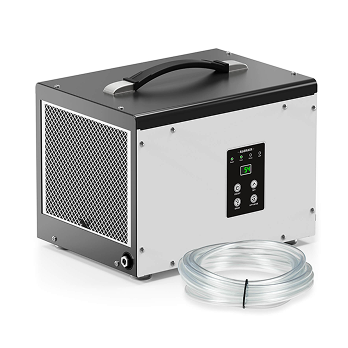
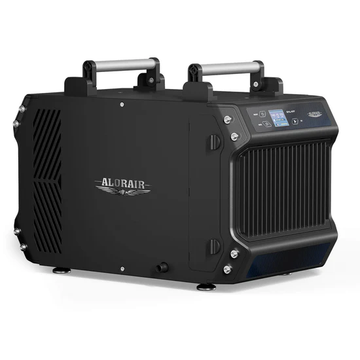
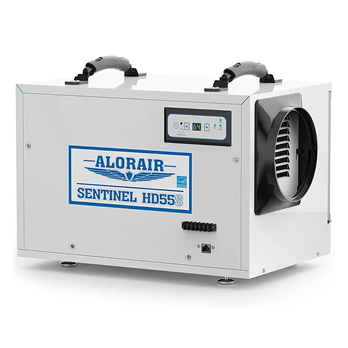
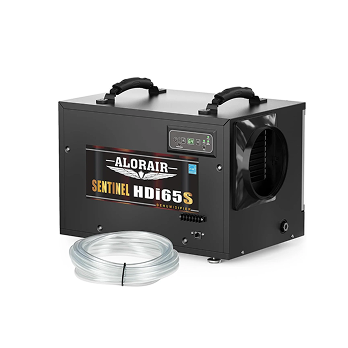
A dehumidifier can remove water vapor from the air, but it cannot repair leaks, remove standing water or eliminate existing mold. Correct those problems first.
If several rooms remain humid, a whole-house dehumidification system may provide more consistent control than moving a portable unit between rooms. System selection should be based on the home’s size, moisture load, HVAC layout and installation requirements.
5. Choose an Air Cleaner That Fits the Room
A portable air cleaner may help reduce airborne dust, pollen, pet dander and some smoke particles. Choose one based on room size and clean air delivery rate rather than broad terms such as powerful or professional-grade. Avoid models that intentionally produce ozone.
For particle removal, check the smoke CADR and confirm that it is appropriate for the bedroom’s square footage and ceiling height. A larger room or higher ceiling requires more clean-air delivery.
Also consider:
- Noise at the speed you will use while sleeping
- Replacement-filter cost and availability
- Energy use during long operating periods
- Space around the unit for unrestricted airflow
- Whether a separate activated carbon filter is included
- Whether the manufacturer publishes tested performance data
Place the unit where furniture, curtains and bedding will not block its intake or outlet. If the airflow creates an uncomfortable draft, redirect it away from the bed.
Longer operating times generally filter more air. However, running a unit on its lowest speed also reduces airflow. Use the highest setting that remains comfortable for sleep.
![]() What Does a HEPA Filter Actually Do?
What Does a HEPA Filter Actually Do?
A HEPA filter is designed to capture at least 99.97% of airborne particles measuring 0.3 microns under its rating conditions. This includes many types of airborne dust, pollen and mold particles.
HEPA filters capture particles; they do not necessarily kill microorganisms. They also do not remove carbon dioxide or most gaseous pollutants.
If gases or odors are a concern, look for a unit with a substantial amount of activated carbon or another filter designed for gases. A thin carbon sheet may have limited capacity.
No air cleaner removes every indoor pollutant. Filtration works best as a supplement to source control and clean-air ventilation.
6. Check the HVAC System
If your bedroom uses central heating or air conditioning, the HVAC system can affect air throughout the home.
Inspect the system filter regularly and replace it according to the equipment and filter manufacturer’s instructions. Use the highest-efficiency filter that the system can safely accommodate. A filter that creates too much airflow resistance may affect system performance.
Keep supply and return vents open and unobstructed. Do not place furniture, curtains or boxes directly in front of them.
If one bedroom regularly feels more humid, dusty or stuffy than the rest of the home, an HVAC professional can check airflow balance, duct leakage and ventilation.
7. Look for Moisture Below or Beside the Bedroom
Sometimes the problem does not begin inside the bedroom.
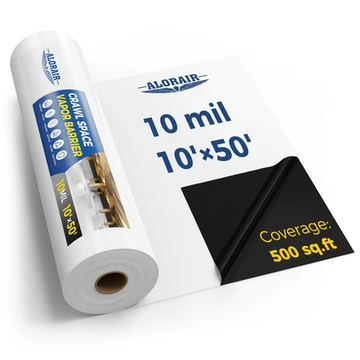
Moisture from a damp basement or crawl space can move into other parts of the home through openings around pipes, ducts, wiring and framing. Air movement depends on pressure, weather and building conditions, so the direction is not always the same. If the bedroom is above a crawl space, crawl space air quality and its effects on the home can help you understand what to inspect below.
If the bedroom is above a crawl space or basement, inspect that area for:
- Standing water
- Plumbing leaks
- Damp insulation
- Condensation on ducts
- Mold or musty odors
- Exposed soil
- Relative humidity above 60%
Control liquid water first. Repair leaks, improve drainage and address ground moisture before installing a dehumidifier. Dehumidification manages remaining airborne moisture; it does not waterproof the foundation.
8. Check Safety Issues That Filtration Cannot Fix
Some serious indoor-air hazards cannot be seen or removed with a standard HEPA air cleaner.
Install carbon monoxide alarms in the locations recommended by local codes and the alarm manufacturer. A morning headache can have many causes, but possible carbon monoxide exposure requires immediate attention rather than an air purifier.
Consider testing the home for radon. Radon can enter through foundation cracks and is not reliably detected by smell or ordinary particle monitors.
If you find widespread mold, sewage-contaminated water, a strong chemical odor or damaged building materials, avoid treating the problem as a routine air-cleaning issue. Identify and correct the source, and seek qualified help when necessary.

Do Houseplants Clean Bedroom Air?
Houseplants can make a bedroom feel more welcoming, but a few plants will not replace source control, ventilation or filtration. Keep them if you enjoy them, and avoid overwatering the soil.
Frequently Asked Questions
Does Sleeping With the Door Closed Affect Air Quality?
A closed bedroom may have less air exchange with the rest of the home, allowing carbon dioxide and odors to increase overnight. Opening the door may improve airflow, but outdoor-air ventilation or an appropriate mechanical ventilation system is needed to reduce carbon dioxide reliably.
How Often Should I Run an Air Purifier in the Bedroom?
Longer operation usually provides more filtration. Many people run a bedroom air cleaner continuously or during sleep, but the best schedule depends on pollutant levels, noise, energy use and filter life. Follow the manufacturer’s operating instructions.
Can a Dehumidifier Help With Bedroom Allergies?
It may help when high humidity supports mold or dust mite populations. A dehumidifier does not remove all allergens and should not replace cleaning, filtration or repairing the moisture source.
Will an Air Cleaner Remove a Stuffy Smell?
It depends on the cause. A HEPA filter captures particles but does not remove carbon dioxide. Activated carbon may reduce certain gases and odors, while ventilation and source removal are needed for many stuffy-room problems.
Is It Safe to Place an Air Cleaner Near the Bed?
Follow the product’s clearance and placement instructions. Keep the intake and outlet unobstructed, and direct strong airflow away from your face if it causes discomfort. There is no universal three-to-five-foot rule for every model.
What Is the Fastest Way to Improve Bedroom Air Quality?
Start by removing smoke, fragrances and other obvious pollutant sources. Wash bedding, clean dust with a damp cloth, ventilate when outdoor air is clean and measure humidity. Add a properly sized air cleaner if airborne particles remain a concern.
Conclusion
Learning how to improve air quality in the bedroom does not begin with buying the most powerful machine. Begin with what is creating the problem.
Remove or reduce pollution sources, clean bedding and soft surfaces, bring in clean outdoor air when conditions allow and keep humidity within an appropriate range. Use a properly sized air cleaner for airborne particles, and remember that filtration cannot correct carbon dioxide buildup, water leaks, radon or carbon monoxide.
When moisture affects several rooms or enters from a basement or crawl space, correct the source before adding dehumidification. Matching each solution to the actual problem will produce better bedroom air without unnecessary equipment or exaggerated promises.


