



If you've noticed more bugs around your home—cockroaches scurrying across the kitchen floor, silverfish in the bathroom, or house centipedes in the basement—the culprit might not be poor housekeeping. High humidity does not attract every type of bug, but it can make damp parts of your home more suitable for pests that need regular access to moisture.
So, does humidity attract bugs? In many cases, yes. Moisture can provide water, shelter, and favorable breeding conditions for cockroaches, silverfish, earwigs, pill bugs, and other moisture-loving pests. This article explains which pests are commonly associated with humid areas, how moisture control can help, and why a dehumidifier should be part of—not a replacement for—a complete pest-control plan.
The Humidity-Pest Connection: Why Bugs Love Moisture
Many household pests need regular access to water, but that does not mean humidity is the only reason they enter a home. Food, warmth, shelter, outdoor conditions, plumbing leaks, and openings around the foundation can all contribute. High humidity matters because it allows damp areas to stay wet longer, making them more comfortable for moisture-dependent pests.
Which Bugs Are Attracted to Humidity?
Some pests are more closely associated with damp indoor areas than others. Finding one does not automatically prove that your whole home is too humid, but repeated sightings near leaks, drains, bathrooms, basements, or crawl spaces are worth investigating.
| Pest | Why Moisture Matters | Common Indoor Locations |
|---|---|---|
| Cockroaches | They need regular access to water and often gather near leaks and plumbing fixtures. | Kitchens, bathrooms, laundry rooms and damp basements |
| Silverfish | They prefer dark, humid areas and feed on paper, glue, starches and other household materials. | Bathrooms, basements, closets and storage boxes |
| House centipedes | They are commonly found where moisture and other small insects are available. | Basements, bathrooms, sinks, tubs and floor drains |
| Earwigs | They usually live outdoors but may enter homes from damp soil, mulch or foundation areas. | Ground-level rooms, basements and areas near exterior doors |
| Pill bugs and sowbugs | These crustaceans need very moist conditions and usually do not survive indoors for long once an area dries. | Crawl spaces, basements and areas near damp foundations |
| Termites and carpenter ants | Moisture-damaged wood can make parts of a building more favorable for nesting or activity. | Crawl spaces, wall voids, foundations and areas around leaks |
Cockroaches can reproduce quickly under favorable indoor conditions, but the original claim that one female produces more than 30,000 offspring per year should be removed. German cockroach females typically produce several egg cases during their lifetime, with dozens of eggs in each case. University of Minnesota Extension
House centipedes also do not literally have 100 legs. The common house centipede has 15 pairs, or 30 legs. University of Minnesota Extension
The Crawl Space Connection: Ground Zero for Pest Problems

Crawl spaces and basements are common places to find moisture-loving pests because they are often dark, rarely disturbed, and close to soil, plumbing, drains, and foundation openings. However, they are not always the original source of an infestation. The first step is to inspect the area for leaks, standing water, exposed soil, damaged wood, and gaps that pests can use to enter.
Why Crawl Spaces Can Attract Moisture-Loving Pests
Several conditions can make a crawl space more favorable to pests:
- Bare soil can release water vapor into the space.
- Plumbing leaks, poor drainage, and groundwater can leave materials damp.
- Humid air can condense on cooler pipes, ducts, and foundation surfaces.
- Gaps around pipes, wiring, vents, and foundation walls can provide entry routes.
- Stored cardboard, wood debris, and damaged insulation can create undisturbed hiding places.
If the area stays humid, identify the moisture source before adding equipment. This guide explains how to reduce humidity in a crawl space in the correct order.
How Crawl Space Conditions Can Affect the Rest of the Home
Air, moisture, and odors can move from a crawl space into living areas through gaps in the building. Insects generally do not ride the stack effect upward in the same way airborne particles do, but they can use many of the same openings as physical entry routes.
Check for gaps around:
- Plumbing penetrations
- Electrical wiring
- Ductwork and floor vents
- Foundation walls
- Doors and crawl space access panels
Sealing these openings can reduce pest entry while also limiting the movement of humid air into the home.
What Humidity Level Helps Discourage Bugs?
There is no single indoor humidity level that guarantees a bug-free home. Different pests respond to moisture in different ways, and many can still survive when they have access to leaking pipes, drains, pet water, or other localized water sources.
As a general indoor moisture target, the EPA recommends keeping relative humidity below 60% and ideally between 30% and 50%. This range helps limit condensation and mold growth, but it should not be presented as a universal pest-control threshold. EPA
For below-grade areas, duration matters more than one temporary reading. If your crawl space stays above 60% RH for days or weeks, compare the reading with the recommended crawl space humidity range and inspect for an ongoing moisture source.

Can a Dehumidifier Help with Bugs?
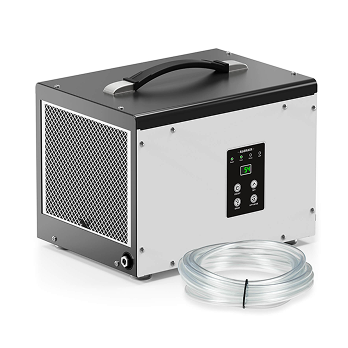
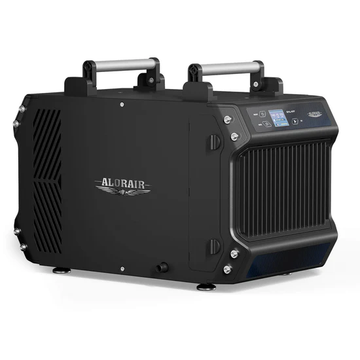
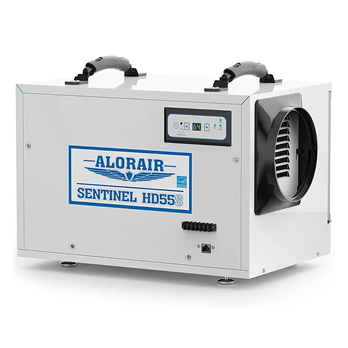
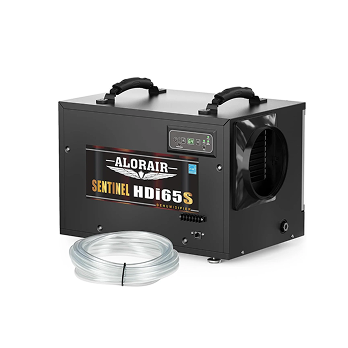
A dehumidifier can help when persistent humidity is keeping a basement, crawl space, or other room damp. Lowering the humidity makes the area less favorable to some moisture-loving pests and can also reduce condensation and mold growth.
However, a dehumidifier does not kill bugs, remove nests, seal entry points, or repair leaks. If you already have an established infestation, moisture control should be combined with cleaning, leak repair, entry-point sealing, traps or treatment, and professional pest control when necessary.
How Moisture Control Supports Pest Prevention
A dehumidifier can support pest prevention in several ways:
- It helps keep persistently damp rooms and materials drier.
- It reduces condensation that may provide accessible water.
- It helps limit the damp conditions that support mold and material decay.
- It makes some basements, bathrooms, and crawl spaces less favorable to moisture-dependent pests.
These benefits reduce environmental pressure, but results depend on the pest species and whether other water, food, shelter, or entry points remain available.
How to Reduce Moisture and Make Your Home Less Inviting to Bugs
Humidity control works best when you deal with the moisture source first. Follow this order:
- Repair plumbing leaks, damaged toilet seals, and dripping faucets.
- Remove standing water and correct foundation drainage problems.
- Clean gutters and extend downspouts away from the foundation.
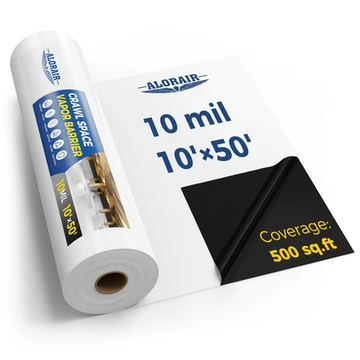
- Cover exposed crawl space soil with a properly installed vapor barrier.
- Seal gaps around plumbing, wiring, doors, vents, and foundation openings.
- Use bathroom and kitchen exhaust fans when producing moisture.
- Add a dehumidifier if humidity remains elevated after the water source is controlled.
- Remove cardboard, food debris, damp wood, and other pest hiding places.
Effective pest prevention requires ongoing attention to humidity levels and conditions.
Monitor Humidity After Making Changes
Use a digital hygrometer to check whether humidity improves after leaks, drainage, ventilation, or dehumidification problems are addressed. Place it away from vents, wet walls, and the dehumidifier outlet so that it reflects the general room conditions.
Check the dehumidifier filter and drainage system according to the manufacturer’s instructions. There is no need to replace a washable filter on a fixed annual schedule unless the manufacturer specifically recommends it.
Continue watching for pest activity. If humidity falls but sightings continue, another food source, water source, entry route, or established nest may still be present.
Choosing a Dehumidifier for a Damp Basement or Crawl Space
Do not choose a dehumidifier based on square footage alone. Capacity also depends on the starting humidity, temperature, water intrusion, air leakage, ceiling height, and whether the space is sealed.
Check whether the listed PPD capacity uses AHAM conditions or warmer saturation conditions before comparing models. Also consider low-temperature operation, automatic defrost, drainage access, pump availability, and humidistat control.
If silverfish are the main concern, learn how a dehumidifier for silverfish can support moisture control without replacing cleaning, entry-point sealing, or appropriate pest treatment.
Frequently Asked Questions
Does humidity attract bugs?
High humidity can make an area more favorable to pests that need moisture, including cockroaches, silverfish, house centipedes, earwigs, and pill bugs. However, humidity is only one factor. Food, shelter, leaks, and entry points also influence pest activity.
Does a dehumidifier keep bugs away?
A dehumidifier can make damp areas less favorable to some pests, but it does not repel or kill every bug. It works best alongside leak repair, cleaning, drainage improvements, and entry-point sealing.
What humidity level keeps bugs away?
There is no humidity setting that guarantees a pest-free home. Keeping indoor RH below 60%, and generally between 30% and 50%, can reduce damp conditions, but localized water sources may still support pests.
Why do I keep finding bugs in my basement?
Basements can provide moisture, darkness, shelter, floor drains, plumbing access, and foundation openings. Check for leaks, condensation, standing water, damp storage materials, and gaps before assuming humidity is the only cause.
Will lowering humidity get rid of cockroaches?
Lowering humidity may reduce available moisture, but it usually will not eliminate an established cockroach infestation on its own. Remove food and water sources, use appropriate traps or treatment, and contact a pest professional if activity continues.
Conclusion
So, does humidity attract bugs? High humidity can make bathrooms, basements, crawl spaces, and other damp areas more favorable to moisture-loving pests. Repeated sightings should prompt you to check for leaks, condensation, poor drainage, exposed soil, damp storage materials, and entry points.
A dehumidifier can help control persistent airborne moisture after those sources are addressed, but it will not kill existing pests or remove a nest. For the best results, combine humidity control with cleaning, repairs, sealing, and appropriate pest treatment.
If your basement or crawl space remains humid after active water problems have been corrected, explore AlorAir’s crawl space and basement dehumidifiers for ongoing moisture control.


