


Living in an apartment means you share walls and air. In older buildings, the ventilation systems are often connected. If you smoke inside, the smell does not just stay in your room. It travels through vents, under doors, and even through electrical outlets.
This is a major problem for neighbors. Secondhand smoke exposure can hurt people with asthma or young children. It can also cause legal issues with landlords. You might think you are being discreet, but the smell is likely escaping. This guide helps you control the airflow to keep everyone safe and happy.
TL;DR: Quick Summary
- Stop burning if possible: Vaping or edibles create much less smell than burning.
- Seal your door: The gap under your front door is a main escape route for smell.
- Don't use shared vents: Bathroom fans often push smoke into your neighbor's unit.
- Use the right filter: HEPA filters catch dust. You need Activated Carbon for the smell.
- Control air pressure: Don't blow smoke into the hallway. Blow it out a window.
- Wash fabrics: Smoke sticks to curtains and couches. Wash them often.
- Check the lease: Knowing the rules helps you avoid eviction or fines.
Basics: You are fighting two different things
To stop the smell, you must understand what smoke is. It is made of two distinct parts.
- Particulates (The Haze): These are tiny pieces of ash and dust. A HEPA filter catches these easily. It clears the visible smoke.
- VOCs (The Smell): These are invisible gasses. HEPA filters cannot catch these. You need Activated Carbon to trap them.
Many people buy cheap air purifiers and wonder why the smell remains. It is because the purifier lacks enough carbon. A thin carbon sheet is not enough. You need pounds of carbon granules to stop strong odors. According to the EPA's guide on indoor air quality, controlling the source is the most effective strategy, but air cleaning can help if used correctly.
Which Filter Do You Need?
|
Filter Type |
What It Catches |
Good For Smoke Smell? |
|
HEPA Filter |
Dust, pollen, visible smoke |
No (Only clears haze) |
|
Carbon Sheet |
Light cooking smells |
No (Too thin for smoke) |
|
Carbon Canister |
VOCs, strong gases, odors |
Yes (Best option) |
Why apartments are hard to seal

Old apartments are like a shared lung. The air moves between units constantly.
The Bathroom Vent Problem
In many buildings, bathroom vents connect to a shared pipe. If you blow smoke into your bathroom fan, it might travel to the unit upstairs. If your neighbor has their fan off, the smoke enters their bathroom. This is the most common cause of complaints.
The Hallway Pressure
Hallways often have different air pressure than your room. If you open a window on a windy day, it might push air out of your front door. This forces the smell into the hallway. You want to avoid this.
Step 1: Control the escape routes

Before buying expensive fans, stop the leaks. You must physically block the air from leaving.
Seal the front door
The gap at the bottom of your door allows air to pass freely.
- Quick Fix: Roll up a damp towel and place it tight against the gap.
- Better Fix: Buy a "draft stopper" or door sweep.
Check your vents
Do a tissue test. Hold a tissue up to the vent. Does it blow or suck?
- If it pushes air in, it is bringing in shared air.
- If it pulls air out, it might push smoke to neighbors.
- Action: Cover the vent temporarily while smoking. Use a magnetic cover or cardboard and tape. Safety Note: Uncover it later to prevent mold.
Step 2: Choose the right equipment

A regular box fan is not enough. You need tools that actually scrub the air.
The Carbon Filter Setup Growers use "carbon scrubbers" for a reason. They work. This setup uses a heavy canister of carbon and an inline fan.
- It pulls air through a thick bed of carbon.
- It traps the gas molecules that cause odor.
- It is louder but much more effective than a standard purifier.
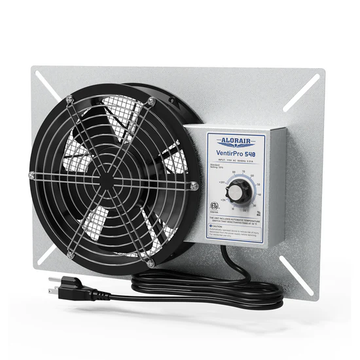
- If you need a dedicated unit, look for a heavy-duty carbon filter fan designed for tents or workshops.
Standard Air Purifiers If you want a normal-looking unit, check the specs.
- Look for High CADR (Clean Air Delivery Rate). This means it moves air fast.
- Look for Carbon Weight. If it has less than 1-2 pounds of carbon, it won't stop weed smell effectively.
- For a verified option, we recommend checking our review of the best air purifier for weed smoke, which highlights units like the Airfanta 3Pro that contain massive amounts of carbon.
Step 3: Fast cleanup when smell happens

If you have already smoked, you need to clean the air and surfaces fast.
Create Negative Pressure
You want air to leave the window, not the front door.
- Put a box fan in the window.
- Point it facing OUT.
- Turn it on high.
- Open a window in another room slightly.
This pulls fresh air in and pushes smoky air out. It stops smell from leaking into the hallway.
Clean the Sources
Smoke sticks to soft things. Your couch and clothes will smell for days.
Odor Cleanup Schedule
|
Item |
How Often to Clean |
Method |
|
Ashtrays |
Immediately after use |
Empty and wash with soap |
|
Clothes |
After every session |
Wash or store in airtight bag |
|
Hard Floors |
Weekly |
Mop with vinegar solution |
|
Carpets |
Weekly |
Vacuum with HEPA filter |
|
Walls |
Monthly |
Wipe with mild soap and water |
Step 4: Better alternatives for neighbors

The best way to stop complaints is to stop burning. Combustion creates tar and heavy oils. These travel far and stick to walls.
Switch to Vaping (Dry Herb)
Vaping heats the flower but does not burn it.
- Less Smell: The odor is much lighter and smells like "toasted popcorn".
- Faster Dissipation: The smell is gone in minutes, not hours.
- Less Residue: It does not stain walls or stick to clothes as badly.
Smoking vs. Vaping Impact
|
Feature |
Smoking (Combustion) |
Vaping (Dry Herb) |
|
Smell Strength |
Very Strong |
Mild / Medium |
|
Linger Time |
Hours to Days |
Minutes |
|
Travel Distance |
Far (Through walls/vents) |
Short (Local area) |
|
Neighbor Risk |
High |
Low |
For more information on the health differences, you can read about marijuana smoke vs. tobacco smoke from the CDC.
Frequently Asked Questions
What is the best way to smoke inside?
There is no perfect way to smoke inside without risk. The best method for odor control is to avoid combustion. Use a dry herb vaporizer or edibles instead. If you must smoke, do it near a window with a fan blowing out.
Will my house smell if I smoke inside?
Yes, it usually will. Smoke particles stick to fabrics, carpets, and walls. Even if you don't smell it, your neighbors might. Regular smoking creates a permanent stale odor over time.
Do carbon filters actually work for smoke odor?
Yes, but only if they have enough carbon. Small desktop fans with thin filters do not work well. You need a unit with pounds of activated carbon granules to trap the gas.
Why does the smell travel through vents in apartments?
In many buildings, vents connect to a shared shaft. Air pressure changes can push your air into a neighbor's unit. This is why shared bathroom vents are bad places to smoke.
Is a HEPA air purifier enough for smoke smell?
No, it is not. HEPA filters capture particles like dust and ash. They do not capture the gases that cause the smell. You need a filter with activated carbon for that.
How can I stop smoke odor from reaching my neighbors?
Focus on the air path. Seal the gap under your front door. Do not use shared vents. Use a fan in the window to blow air out, so it doesn't leak into the hallway.
How long does smoke smell last indoors?
It depends on ventilation and fabrics. In a carpeted room with poor airflow, the smell can last for days. If you smoke daily, the oils build up on walls and create a permanent smell.
What should I do if someone in the building has asthma?
If a neighbor has asthma or children, please be respectful. Secondhand smoke is a health hazard. Switch to non-smoking methods like edibles or go outside to a designated area.


