



Chlorine gas ($Cl_2$) is a highly toxic, reactive substance that poses an immediate threat to life and health. Whether it results from an industrial leak or a common household accident—such as mixing bleach with ammonia or vinegar—knowing how to neutralize chlorine gas effectively is a critical skill for homeowners and restoration professionals alike.
Because chlorine gas is heavier than air, it tends to sink into low-lying areas like basements and crawlspaces. This makes it particularly dangerous in residential settings. In this guide, we will explore the science of chlorine neutralization, the role of professional air scrubbers, and the step-by-step protocols for clearing a contaminated environment.
The Chemistry of Chlorine Gas
Chlorine gas is a yellow-green gas with a pungent, irritating odor similar to bleach. When inhaled, it reacts with the moisture in the lungs and eyes to form Hydrochloric Acid ($HCl$) and Hypochlorous Acid ($HClO$). This chemical reaction is what causes severe tissue damage and respiratory distress.
Why It Lingers
Chlorine is highly reactive. Unlike some gases that simply drift away, chlorine can be absorbed into porous materials like:
- Drywall and Insulation
- Carpets and Upholstery
- Unsealed Wood in Crawlspaces
Once absorbed, these materials can "off-gas" for days or weeks, meaning the smell and the danger persist long after the initial leak is stopped.
Immediate Neutralization Protocols

If a chlorine gas cloud is present, the priority is evacuation. However, for remediation and clearing a space, there are three primary neutralization methods.
Mechanical Ventilation (Dilution)
The fastest way to reduce the concentration of chlorine is to replace the toxic air with fresh air.
- High-Volume Fans: Use industrial-grade axial fans to push air out of windows.
- Cross-Ventilation: Open doors and windows on opposite sides of the structure to create a "wind tunnel" effect.
Chemical Adsorption (Activated Carbon)
In the world of air purification, Activated Carbon is the gold standard for neutralizing chlorine gas. Through a process called Adsorption, chlorine molecules are trapped in the microscopic pores of the carbon.
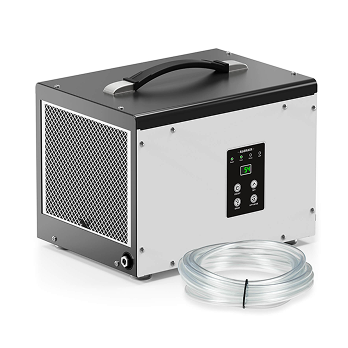
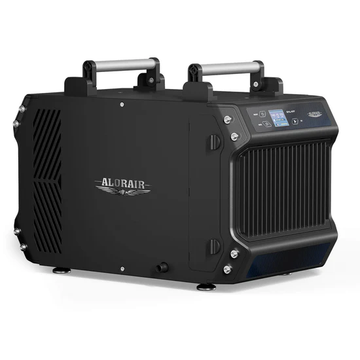
- Potency: Professional air scrubbers, such as the AlorAir CleanShield HEPA 550, use thick pelletized carbon filters that are specifically designed to handle high concentrations of chemical vapors.
Sodium Thiosulfate (Liquid Neutralization)
For liquid spills that are releasing gas, professionals use Sodium Thiosulfate. When applied to a chlorine spill, it converts the reactive chlorine into harmless salt and water. Note: This should only be performed by trained HAZMAT professionals.
The Role of AlorAir Air Scrubbers in Neutralization
In a post-leak scenario, a standard home air purifier is insufficient. You need an industrial Air Scrubber capable of high-volume air exchanges.
Why AlorAir is Effective:
- Multi-Stage Filtration: Our units utilize a pre-filter to catch dust, followed by a heavy-duty Activated Carbon Filter specifically for the chlorine molecules.
- Negative Air Pressure: By ducting the exhaust of an AlorAir unit outside, you create a "vacuum" in the contaminated room. This ensures that no chlorine gas leaks into the rest of the house during the cleaning process.
- High CFM: To neutralize gas quickly, you need to cycle the room's air 6 to 8 times per hour (ACH).
Comparison: Standard Purifier vs. AlorAir Air Scrubber
|
Feature |
Standard Home Purifier |
AlorAir Air Scrubber |
|
Filter Depth |
0.5 - 1 inch |
2 - 3 inches (Industrial Grade) |
|
Carbon Volume |
Thin sheet |
High-capacity pelletized carbon |
|
Ducting |
None |
Intake/Exhaust ducting supported |
|
Use Case |
Pet dander / Dust |
Chemical spills / Restoration |
8 Steps to Take After Chlorine Exposure

If you have accidentally created or been exposed to chlorine gas, follow these steps immediately:
- Evacuate Upwind: Move to an area with fresh air. Since chlorine is heavy, move to higher ground if possible.
- Call 911: Professional intervention is required for large leaks.
- Remove Clothing: Take off any clothing that has come into contact with the gas. Do not pull shirts over your head; cut them off if necessary.
- Seal Contaminated Items: Place clothing in a plastic bag and seal it.
- Flush Eyes and Skin: Wash with large amounts of plain water for at least 15 minutes.
- Avoid Neutralizing Agents on Skin: Do not use baking soda or vinegar on your skin; stick to water and mild soap.
- Ventilate the Structure: Once safe, use high-capacity fans to flush the building.
- Deploy Air Scrubbers: Use AlorAir units with Carbon filters to remove the lingering odors from walls and furniture.
Long-Term Recovery and Odor Removal
Even after the air is "safe," the smell of chlorine can remain. This is because the gas has "oxidized" surfaces in the home.
- Wash Hard Surfaces: Use a mixture of water and a mild detergent on all non-porous surfaces.
- Replace Porous Materials: If the concentration was high, items like pillows or thin carpets may need to be discarded.
- Continuous Scrubbing: Run your air scrubber for 24–48 hours after the event to ensure that "off-gassing" from walls is captured.
Environmental Factors: Humidity, Temperature, and Corrosion

The behavior of chlorine gas is significantly influenced by the environment it is released into. For AlorAir users—especially those dealing with crawlspaces and basements—these environmental factors can change how you approach neutralization.
- The Humidity Trap: Chlorine gas is highly "hygroscopic," meaning it seeks out moisture. In a damp crawlspace, chlorine gas will react with the humidity in the air to form acidic mist. This mist is much more corrosive to metal pipes, electrical wiring, and HVAC components than the gas alone.
- Temperature Inversion: Cold air is denser, which reinforces chlorine’s tendency to stay low to the ground. In a cold basement, the gas may not dissipate naturally for days without mechanical assistance.
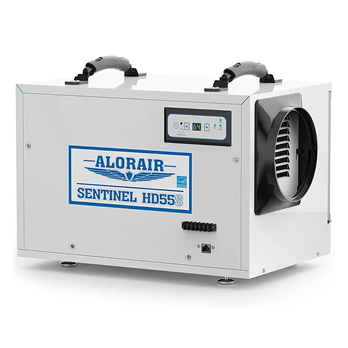
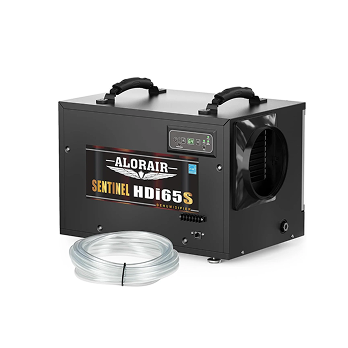
- The AlorAir Solution: Using a Sentinel Dehumidifier in tandem with an air scrubber after the gas has been cleared is vital. By dropping the humidity, you stop the remaining chlorine molecules from reacting with moisture to form harmful acids on your structural surfaces.
Professional Air Scrubbing: Calculating "Air Changes" for Gas
When dealing with a toxic gas like chlorine, you cannot rely on the same settings you use for simple dust. You must calculate the Air Changes Per Hour (ACH) specifically for rapid gas removal.
Gas Neutralization Requirements
|
Situation |
Recommended ACH |
AlorAir Setting |
|
Lingering Odors |
4 ACH |
Low to Medium Speed |
|
Active Remediation |
6 - 8 ACH |
Maximum (Turbo) Speed |
|
Confined Space (Crawlspace) |
10+ ACH |
Maximum Speed + Ducting |
Technical Tip: When neutralizing gas, "Dwell Time" is key. The air must stay inside the activated carbon filter long enough for the chemical bonds to break and the chlorine to be adsorbed. If you are using an AlorAir unit in a very large space, it is often more effective to use two units on medium speed than one unit on high speed. This increases the total volume of carbon the air is exposed to.
Post-Neutralization: Testing and Structural Verification

Once the air "smells" clean, the job isn't necessarily finished. For professionals and safety-conscious homeowners, verification is the final step.
- The Litmus Test: You can use simple pH strips or specialized chlorine test badges to check for residual gas in low-lying corners or inside wall cavities.
- Inspecting Metal Surfaces: Check your water heater, copper pipes, and electrical panels. If you see new signs of green or white "pitting" or corrosion, it means the chlorine gas reacted with the metal. These surfaces must be cleaned and neutralized with a basic solution (like baking soda and water) to stop further damage.
- Filter Disposal: After an AlorAir unit has been used to neutralize a chlorine event, the Activated Carbon Filter should be replaced immediately. The carbon pores will be saturated with chlorine molecules and will no longer be effective for future odors or VOCs.
Frequently Asked Questions
Does a HEPA filter remove chlorine gas?
No. HEPA filters are designed for particulates (dust, mold, smoke). To remove a gas like chlorine, you must use an Activated Carbon Filter.
How long does chlorine gas stay in the air?
In a well-ventilated room, it can dissipate in 1 to 8 hours. However, in unventilated areas like crawlspaces, it can linger for days and settle into the soil or wood.
Can I use a mask to protect myself?
Standard N95 masks do not protect against chlorine gas. You would need a full-face respirator with specialized "Acid Gas" cartridges (usually olive-colored).
Why does chlorine gas sink to the floor?
Chlorine gas is approximately 2.5 times heavier than air. This causes it to flow like a liquid into basements, trenches, and crawlspaces.
What happens if I mix bleach and vinegar?
This creates chlorine gas. It is a common mistake made during bathroom cleaning. If this happens, leave the room immediately and open windows from the outside if possible.
Can an AlorAir dehumidifier help?
A dehumidifier does not neutralize gas. However, high humidity can make chlorine gas more corrosive. Maintaining a dry environment (around 50% RH) with a Sentinel Dehumidifier can help reduce the secondary damage caused by the gas.
Conclusion
Neutralizing chlorine gas requires a combination of immediate evacuation, aggressive ventilation, and professional-grade carbon filtration. By using AlorAir Air Scrubbers, you can significantly speed up the recovery time and ensure that toxic vapors are removed from your home’s environment for good.


