



An old house should smell lived-in—not persistently musty, smoky, or stale. The odor is rarely caused by the age of the building alone. Moisture, smoke residue, pets, plumbing problems, pests, and old carpets or other porous materials are more useful places to start looking.
Notice what the smell is like and where it is strongest. Check nearby drains, fabrics, HVAC vents, and any damp basement or crawl space. Then fix the source and clean or replace affected materials. A dehumidifier or air cleaner may help afterward, depending on what caused the smell.
What Causes “Old House Smell”?
“Old house smell” is not a single type of odor. Identifying the smell and where it is strongest can help narrow down the source.
Musty or earthy smell: Often associated with excess moisture, damp materials, poor ventilation, or possible microbial growth. Check basements, crawl spaces, bathrooms, roof penetrations, and areas around plumbing.
Smoky or oily smell: May remain in walls, ceilings, cabinets, carpets, and HVAC components after years of smoking, cooking, or fireplace use.
Stale or dusty smell: Often comes from accumulated dust, old carpet padding, curtains, upholstered furniture, attics, or a dirty HVAC filter.
Sewage-like smell: May indicate a dry drain trap, damaged plumbing, a blocked vent, or another drainage problem.
Ammonia-like smell: Can be associated with pet urine or pest activity in carpets, subfloors, attics, walls, or crawl spaces.
Rotten or decomposing smell: Check for spoiled food, pest activity, dead animals, wastewater problems, or damp organic material.
A musty smell does not prove that mold is present, but it is a reason to inspect for moisture and visible damage. Persistent sewage, natural-gas, burning, or strong chemical odors should be assessed by an appropriate professional.
How to Make an Old House Smell Good: 5 Practical Steps
Step 1: Locate the Strongest Source
Walk through the house without candles, sprays, or plug-in fragrances. Start where the odor is strongest, then check the places nearby:
- Near the floor or carpet edges: Look for damp materials, pet accidents, or gaps to the space below.
- Around cabinets and drains: Check for leaks, standing water, and seldom-used drain traps.
- At HVAC grilles: Notice whether the smell appears or grows stronger when the system starts.
Also note whether the odor changes after rain or during humid weather. That pattern may help you find a moisture source.
If the smell appears only when the heating or cooling system runs, inspect the filter and accessible supply and return grilles before assuming the entire duct system requires cleaning.
Step 2: Repair Moisture and Plumbing Problems
Cleaning will not provide a lasting result while moisture continues to enter the building. Repair roof and plumbing leaks, remove standing water, and make sure bathroom and kitchen exhaust fans vent outdoors.
Use a hygrometer to check living areas, the basement, and any accessible crawl space. The EPA recommends keeping indoor relative humidity below 60%, ideally between 30% and 50% when possible. If a reading surprises you, indoor humidity levels and comfort can help put it in context.
Lowering humidity may make new mold growth less likely. It will not remove mold or repair materials that are already damaged.
Step 3: Ventilate When Outdoor Conditions Allow
Open windows temporarily when outdoor air is clean and drier than indoor air. Use bathroom and kitchen exhaust fans to remove moisture and odors at their source. Keep windows closed during very humid weather or when outdoor air is affected by wildfire smoke, heavy pollution, or high pollen levels.
Step 4: Clean or Replace Odor-Absorbing Materials
Carpets, carpet padding, curtains, upholstered furniture, cabinets, unfinished wood, plaster, insulation, and subflooring can retain smoke, cooking grease, pet urine, and moisture-related odors.
Wash removable fabrics according to their care instructions and use cleaners that are compatible with each surface. Materials heavily affected by pet urine, sewage, smoke, or long-term water damage may require professional treatment or replacement rather than repeated surface cleaning.
Once a wall or ceiling is clean and completely dry, an odor-blocking primer may help seal residual smoke or cooking odors. Before sanding, scraping, or demolishing materials in an older home, check whether lead-safe or asbestos precautions are required.
Step 5: Match the Solution to the Source
Different odor-control methods solve different problems. A dehumidifier controls excess moisture, HEPA filtration captures airborne particles, and activated carbon may reduce certain airborne gases and odors. None of these methods can replace leak repair, cleaning, or removal of contaminated materials.
What Each Odor-Control Method Can and Cannot Do
| Method | What It May Help With | What It Cannot Fix |
|---|---|---|
| Dehumidifier | Persistent excess moisture | Existing mold, sewage problems or smoke residue |
| HEPA air cleaner | Airborne dust and particles | Most gases and odors trapped in materials |
| Activated-carbon filter | Some airborne gases and odors | Leaks and contaminated building materials |
| Exhaust ventilation | Removing local moisture and polluted air | A continuing contamination source |
| Deep cleaning | Dust, grease and surface residue | Contamination deep inside damaged materials |
| Fragrance products | Adding a temporary scent | Removing the cause of an odor |

Could the Smell Be Coming From the Crawl Space?
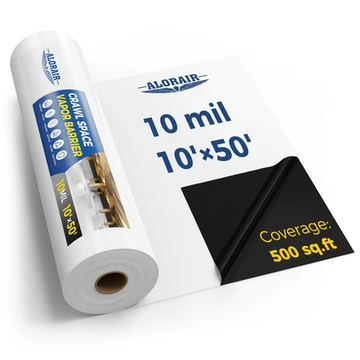
If the odor is strongest near the floor or in lower-level rooms, inspect the crawl space for standing water, damp soil, plumbing leaks, wet insulation, mold, pests, and unsealed ground surfaces. Air and odors can enter living areas through gaps around plumbing, wiring, ductwork, and the subfloor.
If you can measure humidity there, compare it with the recommended crawl space humidity range. The right fix depends on what you find. It may involve drainage repair, ground-vapor control, air sealing, removal of damaged materials, or dehumidification.
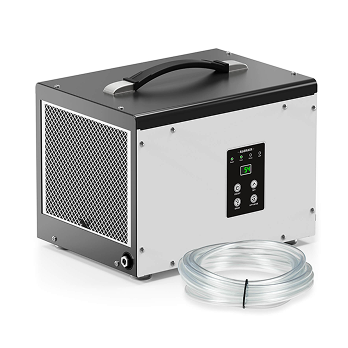
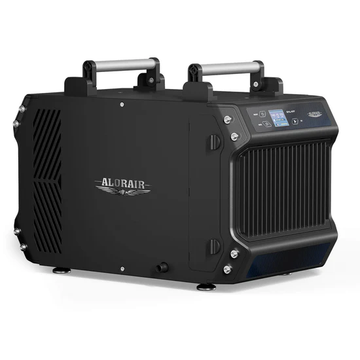
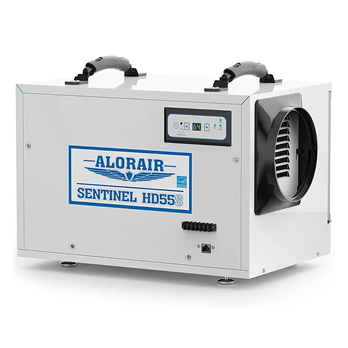
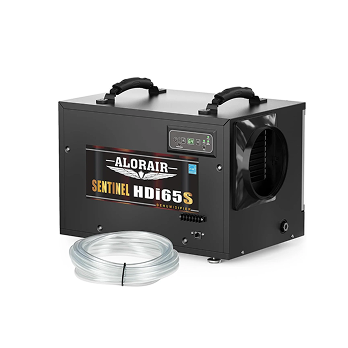
Choose a dehumidifier only after assessing the space, moisture load, temperature, and drainage options. An odor alone cannot tell you what size you need.
How to Keep an Old House Smelling Fresh
Once the odor source has been removed:
- Replace HVAC filters according to the equipment and filter manufacturer’s instructions.
- Use bathroom and kitchen exhaust fans and dry wet fabrics promptly.
- Clean pet bedding, rugs, curtains, and upholstered furniture regularly.
- Keep seldom-used drain traps filled with water.
- Monitor humidity and investigate recurring odors instead of masking them with fragrance.
Once the house is clean and dry, light fragrance from clean linens, flowers, or a mildly scented product can be used for preference—but it should not be used to conceal persistent musty, sewage, gas, or burning odors.

Why Does the Smell Get Worse When the HVAC Runs?
An HVAC system can redistribute odors when the source is near a return grille, inside the equipment cabinet, or in accessible ductwork. Replace a visibly dirty filter and inspect accessible grilles and condensate components. Seek professional inspection if the odor appears mainly when the system runs or if you find visible mold, pest activity, water, or debris inside accessible HVAC components.
Routine duct cleaning is not automatically necessary, and a whole-house dehumidifier will not remove existing contamination or smoke residue.
Frequently Asked Questions
Why does my house smell musty even after I clean it?
Surface cleaning may not reach moisture or contamination inside carpet padding, cabinets, walls, insulation, subfloors, basements, or crawl spaces. Check for hidden leaks, damp materials, dry drain traps, pest activity, and odors that become stronger when the HVAC system runs. Do not assume the crawl space is the source without inspecting other areas.
Can an air purifier remove "old house smell"?
An air cleaner may reduce part of the odor, but results depend on the source. HEPA filters capture airborne particles, while activated carbon may adsorb some gases and odors. Neither type can repair a leak or remove contamination embedded in carpets, walls, insulation, or flooring.
Will a dehumidifier stop mold smell?
A dehumidifier may reduce the damp conditions that support additional mold growth, but it will not remove existing mold or contaminated materials. Repair the moisture source first, clean or remove affected materials safely, and use dehumidification only when humidity remains elevated.
Is "old house smell" dangerous?
A stale smell alone cannot tell you whether a house is safe or unsafe. A recurring musty or sewage-like odor still deserves investigation, even if you cannot see the source.
If you suspect a gas leak or notice a burning smell, leave the area and contact the appropriate emergency service or utility provider from a safe place. For a persistent drain or sewage odor, contact a qualified plumber to find the cause.
Conclusion
To make an old house smell good, begin with the source—not a stronger fragrance. Check for moisture, plumbing problems, pests, dirty fabrics, smoke residue, and contaminated building materials. Repair the underlying problem, clean or replace affected materials, and then use ventilation, humidity control, or air filtration where appropriate.
If humidity remains high across several rooms after leaks and ventilation problems have been addressed, compare whole-house humidity-control options. A localized basement or crawl-space problem should be corrected at its source.


