



You know that feeling. You walk into your bedroom or apartment, and it feels heavy. The air is thick, your skin feels sticky, and there’s a vague, stale smell that no amount of air freshener seems to cover. You’re living in a swamp, not a home.
A humid room can make it harder to feel comfortable. If the moisture sticks around, you may also notice condensation, musty odors, or damp belongings.
The good news? You can start by finding where the moisture comes from. Then choose a way to remove it, whether that means using an exhaust fan, running the AC, or using a dehumidifier.
Here’s how to dehumidify a room and keep the moisture from coming back.
TL;DR: The Quick Fixes
Want to make a humid room feel better? Start here:
- Measure it: Use a hygrometer to check the room’s relative humidity. If it stays above 60%, look for the moisture source.
- Get wet air out: Run bathroom or kitchen exhaust fans that vent outdoors. Open a window when the outdoor air is actually drier.
- Remove moisture: Run the AC while cooling, or use a dehumidifier if the room stays humid.
- Treat closets separately: A packaged moisture absorber can help in a small, enclosed space. It won’t dehumidify an entire room.
- Stop adding moisture: Avoid drying laundry in a poorly ventilated bedroom.
The Basics: What Humidity Should You Aim For?
Before you start fighting moisture, check the room with a hygrometer. The EPA recommends keeping indoor relative humidity below 60%, ideally between 30% and 50% when possible.
| Indoor relative humidity | What to do |
|---|---|
| 30%–50% | A useful target for most homes. Keep an eye on any condensation or damp spots. |
| 50%–60% | Watch for a rising trend, especially if the room feels damp or smells musty. |
| Above 60% | If it stays this high, find the moisture source and take steps to lower it. |
Step 1: Locate the Source (Don’t Skip This)
You can’t bail out a sinking boat if you don’t plug the hole. If your room stays humid, start by looking for the moisture source.
- Showers and cooking: Does the bathroom fan work? Does the kitchen range hood vent outdoors?
- Indoor laundry: Are wet clothes drying in the bedroom or another small room?
- Leaks or ground moisture: Check for plumbing leaks, water near the foundation, and a damp basement or crawl space.
- Condensation: Look for water on windows or other cold surfaces. It’s a sign to check both humidity and the surface itself.

Step 2: Lower the Humidity
If the room feels damp now, start with the moisture source. Use an exhaust fan to remove steam from a bathroom or kitchen. If the room stays humid, an air conditioner or dehumidifier can remove moisture from the air.
Ventilate (But Do It Right)
Opening a window can help, but there’s a catch: the outdoor air needs to bring in less moisture than the air inside.
If it’s muggy outside, an open window may make the room worse. When the outdoor air is drier, a cross-breeze can help replace humid indoor air. Indoor and outdoor humidity percentages can be misleading when the temperatures differ. If you can compare dew points, use them to judge which air contains more moisture.
Use Exhaust Fans to Remove Wet Air
Not all fans do the same job:
- Bathroom and kitchen exhaust fans: Run them while showering or cooking and afterward as needed. They need to vent outdoors to remove the damp air.
- Ceiling or floor fans: They can help a damp surface dry and make the room feel more comfortable. On their own, they do not remove water vapor from a closed room.
Use Your Air Conditioner
If you have a window AC unit or central air, use it when the room also needs cooling. Air conditioners can remove some moisture as they cool the air. If the room still feels damp, a dehumidifier is designed to remove moisture from the air more directly.
Use a Dehumidifier When the Room Stays Humid
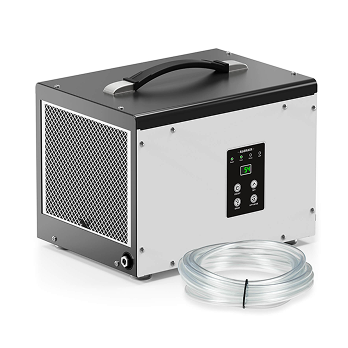
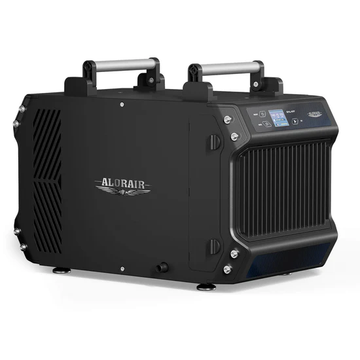
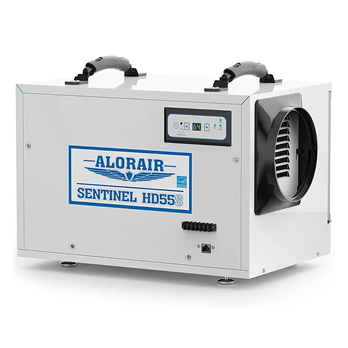
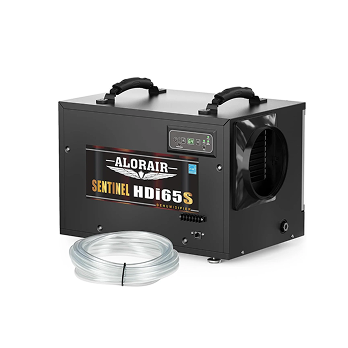
A dehumidifier is useful when humidity remains high after you’ve dealt with obvious moisture sources. Measure the room, choose a unit suited to the space and conditions, and make sure it has room for airflow. Empty the tank or arrange drainage as the manufacturer instructs.
Placement matters, too. A unit tucked into a cramped corner may struggle to move air through the room. The best place for a dehumidifier depends on the room layout and the unit’s clearance requirements.
![]()
 Step 3: Use Moisture Absorbers for Small Enclosed Spaces
A packaged moisture absorber can help with mild dampness in a closet or cabinet. Follow the label, keep the container upright, and check it before it fills.
Baking soda or charcoal may help with some odors, but neither is a practical way to lower the humidity of an entire room. If your bedroom or bathroom stays humid, go back to the moisture source, ventilation, AC, or a dehumidifier.
If you’d rather not use a unit, your alternatives to a dehumidifier depend on where the moisture is coming from. Ventilation may help, but only when it removes damp air instead of bringing more moisture inside.

Step 4: Keep Laundry Moisture Out of the Bedroom
For many renters and apartment dwellers, some of the moisture comes from inside. If you hang-dry laundry in your bedroom, you’re essentially running a slow-release humidifier.
Dry clothes in a better-ventilated area when you can. Spread them out, and use an exhaust fan or open a window when outdoor air is drier. A regular fan can help clothes dry faster, but the water still needs somewhere to go.
If gym clothes smell musty, wash and dry them rather than leaving them damp in a closed hamper. An odor absorber may help with the smell, but it won’t solve a humid room.

Step 5: Know When the Room Needs More Than a Quick Fix
If humidity stays high or you keep finding condensation, damp patches, or mold, look beyond the room itself. You may have a moisture problem that a fan or absorber cannot solve.
Possible causes include:
- A hidden plumbing leak.
- Water entering through the basement foundation.
- Ground moisture in a crawl space.
Fix the water problem first. That may mean repairing a leak or improving drainage around the home. If the crawl space remains humid after those issues are addressed, a crawl space dehumidifier may help control moisture there. It cannot stop water from entering the space.
Frequently Asked Questions
Can you dehumidify a room without a dehumidifier?
Sometimes. Fixing a leak, venting shower steam outdoors, or bringing in drier outdoor air can lower humidity. An air conditioner also removes some moisture while it cools. If the room stays humid, a dehumidifier may be the more practical option.
Will 70% humidity cause mold?
A reading of 70% does not guarantee mold. But if humidity stays that high, moisture problems and mold growth become more concerning. Look for leaks or condensation and work to bring the humidity down.
Does opening a window reduce humidity?
It can when the outdoor air is drier. On a muggy day, it may add moisture instead. When indoor and outdoor temperatures differ, compare dew points rather than relying on relative humidity alone.
Does a fan reduce humidity?
A regular room fan does not remove water vapor. It moves air and can help a wet surface dry, but that moisture remains indoors unless it is vented out or removed by AC or a dehumidifier.
How long does it take to dehumidify a room?
There is no fixed time. It depends on the room, the moisture source, outdoor conditions, and the equipment you use. Check the hygrometer over time. If humidity quickly rises again, keep looking for the source.
The Bottom Line
Start with the moisture source, then choose a way to get damp air out or remove water from it. Keep checking the room’s humidity over the next few days. If it rises again, a bigger unit alone may not solve the underlying problem.


