



When it comes to home comfort, the air we breathe plays a starring role. If you have ever woken up with a scratchy throat, dry skin, or a stuffy nose, you know that air quality is about more than just temperature. This often leads homeowners to ask: what is the difference between a humidifier and a diffuser?
While they both emit a visible mist, they are engineered for entirely different purposes. A humidifier is a functional tool used to manage health and structural integrity by adding moisture, while a diffuser is a lifestyle device designed for aromatherapy. At AlorAir, we specialize in high-capacity environmental control, and understanding these differences is key to creating a healthy indoor climate.
At-A-Glance Comparison
To understand the core differences, we can look at their primary specifications, tank capacities, and intended outcomes.
|
Feature |
Humidifier |
Diffuser |
|
Primary Goal |
Increases Relative Humidity (RH) |
Disperses Essential Oils (Scent) |
|
Tank Size |
Large (0.5 to 5+ Gallons) |
Small (100ml to 500ml) |
|
Health Benefit |
Relieves dry skin, sinuses, and coughs |
Improves mood, relaxation, and focus |
|
Impact on Air |
Changes the physical moisture level |
Changes the scent/aroma |
|
Essential Oils? |
No (Usually damages the tank) |
Yes (Required for operation) |
What is a Humidifier? (The Moisture Specialist)

A humidifier is a mechanical device designed to add water vapor to a room to increase humidity levels. In many climates, particularly during the winter, indoor heating systems strip the air of moisture, leading to levels below the recommended 30%–50%.
How They Work
- Evaporative: Uses a fan to blow air through a wet wick filter.
- Ultrasonic: Uses high-frequency vibrations to turn water into a fine mist.
- Steam/Vaporizer: Heats water to create steam, which is then cooled and released.
Why You Need One
If you suffer from "winter itch," frequent nosebleeds, or static electricity shocks, your home is likely too dry. Humidifiers are also critical for preserving old wooden furniture and musical instruments, which can crack and warp in low-humidity environments.
What is a Diffuser? (The Aroma Specialist)
A diffuser is designed to break down essential oils into tiny molecules and disperse them into the air. While most diffusers use water as a carrier for the oil, they do not hold enough volume to significantly change the humidity of a room.
Popular Types of Diffusers
- Ultrasonic: The most common type; uses water and oil to create a mist.
- Nebulizing: Uses pressurized air to diffuse pure oil without water.
- Heat Diffusers: Uses a small candle or electric heater to evaporate the oil.
Why You Need One
Diffusers are used for Aromatherapy. Lavender can help with sleep, peppermint can boost energy, and eucalyptus can help clear mild congestion. They are excellent for setting a mood but are not effective for medical-grade respiratory relief.
The Critical Warning: Oils and Humidifiers

One of the most common mistakes homeowners make is adding essential oils directly into a standard humidifier. Do not do this.
- Plastic Degradation: Essential oils are highly concentrated. In a standard humidifier, these oils can eat through the plastic tank and seals, leading to leaks and motor failure.
- Filter Clogging: In evaporative humidifiers, the oil will coat the wick filter, preventing it from absorbing water and rendering the machine useless.
- Aerosolized Risks: High-capacity humidifiers move a lot of air. Atomizing large amounts of essential oils in a large room can be overwhelming and irritating to pets and small children.
When to Choose Which Device?
Choose a Humidifier if:
- You have dry, itchy skin or eczema.
- You or your children suffer from frequent dry coughs or congestion.
- You notice gaps in your hardwood floors or cracks in wooden furniture.
- You live in a desert climate or use a wood-burning stove for heat.
Choose a Diffuser if:
- You want your home to smell like a spa without using toxic candles.
- You use scent to help with meditation or sleep.
- You want a compact, decorative device for a desk or nightstand.
Maintenance: Keeping Your Air Clean

Both devices require regular cleaning to prevent them from becoming "mold machines."
- Empty Daily: Never let water sit in either device for more than 24 hours.
- The Vinegar Rinse: Once a week, rinse the tank with white vinegar to kill bacteria and dissolve mineral buildup.
- Distilled Water: To avoid the "white dust" (mineral deposits) often seen with ultrasonic units, always use distilled or demineralized water.
The AlorAir Perspective: Controlling the Whole Home
At AlorAir, we focus on total environmental control. While a small tabletop humidifier is great for a nursery, it won't protect your entire home's structure. If your home is consistently too dry or too damp (causing that "old house smell"), you need a more robust solution.
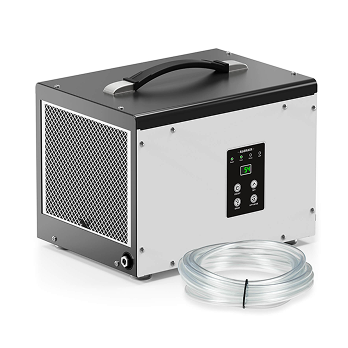
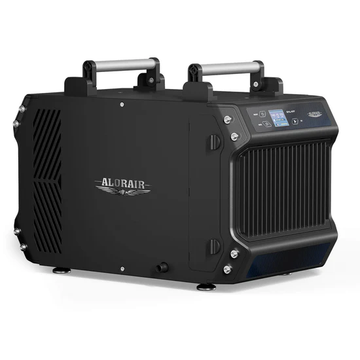
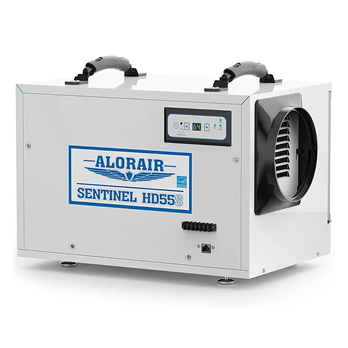
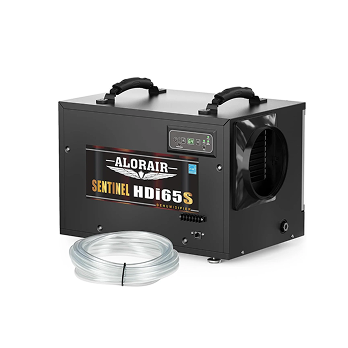
- For High Humidity: Our Sentinel Dehumidifiers remove moisture to prevent mold.
- For Air Purity: Our PureAiro Air Scrubbers use HEPA and Carbon to remove the particles that humidifiers and diffusers leave behind.
Structural Preservation: Humidifiers and Your Home’s "Skeleton"

While diffusers are for the people inside the house, humidifiers are often for the house itself. In winter, as indoor humidity drops, the moisture is sucked out of organic building materials.
- Hardwood Flooring: When the air is too dry, hardwood planks shrink, leading to unsightly gaps, creaking, and "cupping." A humidifier prevents this by keeping the wood at a constant moisture level.
- Plaster and Paint: Dry air can cause plaster to crack and paint to peel, as the substrate underneath contracts.
- Musical Instruments: Pianos and guitars are highly sensitive. A lack of humidity can cause the wood to crack or the tuning to fail.
- The AlorAir Professional Insight: If you are noticing structural shrinking, a 300ml diffuser will do nothing to help. You need a high-capacity humidifier or a whole-house HVAC solution to protect your investment.
The "White Dust" Dilemma: A Health Concern
A major difference in how these machines interact with your air involves the minerals found in your water. This is especially prevalent in ultrasonic models (both humidifiers and diffusers).
- The Phenomenon: Ultrasonic technology doesn't boil water; it vibrates it into a mist. This means all the calcium and magnesium in your tap water are also "vibrated" into the air. When the mist evaporates, the minerals fall as a fine white powder.
- Why it Matters: This white dust isn't just a cleaning nuisance; it can be a respiratory irritant for people with asthma.
- The Solution: Because humidifiers use so much more water than diffusers, the white dust problem is much more noticeable with them. We recommend using distilled water or an AlorAir demineralization cartridge to ensure the air you are adding moisture to remains pure.
The Decision Guide: Solving Specific Air Problems
If you are still undecided, use this "Problem vs. Solution" matrix to determine which device should be on your shopping list today.
|
If you are experiencing... |
You Need: |
Why? |
|
Cracked lips and bloody noses |
Humidifier |
These are physical symptoms of low air moisture. |
|
High stress and poor sleep |
Diffuser |
Aromatherapy (Lavender) is proven to aid relaxation. |
|
Static electricity shocks |
Humidifier |
Moist air allows static to dissipate; dry air builds it up. |
|
Unpleasant pet or cooking odors |
Diffuser |
Essential oils (Lemon/Citrus) neutralize odors. |
|
Shrinking crown molding |
Humidifier |
Only a humidifier adds the volume of water needed to stabilize wood. |
Frequently Asked Questions
Can a humidifier act as a diffuser?
Generally, no. Most humidifiers are made of materials that will degrade if exposed to essential oils. Only use oils in units specifically labeled as "Aromatherapy Compatible."
Do diffusers help with dry skin?
No. The amount of water a diffuser puts into the air is negligible (usually less than a cup over 8 hours). It will not increase the room's humidity enough to hydrate skin.
Which one is better for a baby?
A humidifier is usually recommended for babies to keep their nasal passages clear and help them sleep through colds. Diffusers should be used with caution around infants, as some essential oils are not safe for children.
Can I run both at the same time?
Yes! Running a humidifier to keep the air moist and a diffuser to provide a relaxing scent is a common and effective way to manage your indoor environment.
Why is there a white film on my furniture after using a humidifier?
This is "white dust," caused by minerals in hard tap water being atomized into the air. Switching to distilled water will solve this problem.
Do I need a humidifier in the summer?
Usually not, unless you live in an extremely arid region. Most air conditioners actually act as dehumidifiers, so you only need to add moisture if the RH falls below 30%.
Conclusion
The difference between a humidifier and a diffuser comes down to function vs. fragrance. If your goal is to fix a dry environment and improve your physical health, invest in a high-quality humidifier. If your goal is to improve your mood and enjoy aromatherapy, a diffuser is the perfect companion.


