


That fresh paint smell. The new carpet scent. The distinctive aroma of a brand-new car. While these odors might seem harmless—even pleasant—they signal something potentially dangerous happening in your environment: offgassing. These familiar scents are actually Volatile Organic Compounds (VOCs) being released into the air you breathe, and they pose significant health risks that most homeowners underestimate.
Offgassing affects every home, from newly constructed houses to decades-old residences. Understanding what it is, recognizing its health impacts, and implementing effective prevention strategies can protect your family from both immediate discomfort and serious long-term health consequences.
What Is Offgassing?
Offgassing, also called outgassing, occurs when Volatile Organic Compounds (VOCs) are released from solid or liquid materials into the surrounding air. These compounds evaporate at room temperature, transforming from products and materials into invisible gases that circulate through your home's air supply.
Think of offgassing as a slow-motion chemical leak. When manufacturers create furniture, apply finishes, or produce building materials, they use adhesives, solvents, and treatments that contain VOCs. These chemicals don't immediately disappear after production—they continue escaping from the products for months or even years after purchase.
Common VOCs in Your Home
Your home likely contains dozens of different VOCs, but several appear most frequently and cause the greatest concern:
Formaldehyde is perhaps the most notorious indoor VOC. Found in pressed wood furniture, cabinets, insulation, and permanent-press fabrics, formaldehyde is a known carcinogen with a pungent, distinct odor. Even low-level exposure causes irritation, while chronic exposure increases cancer risk.
Where VOCs Hide in Your Home
VOCs infiltrate homes from countless sources:
Building Materials & Furniture:
- Plywood, particleboard, and pressed wood products
- Insulation materials
- Composite wood furniture
- Upholstered items with foam cushions
- New mattresses and bedding
Flooring:
- Carpeting and carpet padding
- Vinyl and laminate flooring
- Adhesives used for installation
- Floor finishes and sealants
Finishes & Treatments:
- Interior and exterior paints
- Varnishes and wood stains
- Caulks and sealants
- Wallpaper and wallpaper adhesives
Household Products:
- Cleaning supplies and disinfectants
- Air fresheners and scented candles
- Personal care products (hairspray, perfumes, cosmetics)
- Hobby and craft supplies
- Printer inks and toners
How to Identify Offgassing in Your Environment
Detecting offgassing isn't always straightforward, which makes it particularly insidious.
Recognizing Odor Clues
Sometimes smell provides the first indication of offgassing. That beloved "new car smell" is actually a cocktail of VOCs from plastics, adhesives, fabrics, and treatments—not something to enjoy but rather to avoid. Similarly, the "clean" scent after using disinfectants or the chemical smell of new carpet indicates active VOC release.
Common offgassing odors include:
- Sharp chemical or solvent-like smells
- Sweet or pungent odors
- "Plastic" or synthetic scents
- Strong paint or varnish smells
- Medicinal or antiseptic odors
Short-Term Health Effects of VOC Exposure

Offgassing triggers immediate health impacts that range from annoying to incapacitating.
Common Immediate Symptoms
Headaches rank among the most frequent complaints. VOC-induced headaches typically feel like tension headaches or migraines and often occur after spending time in recently painted rooms, near new furniture, or in areas with strong cleaning product residue.
Eye, nose, and throat irritation happens because VOCs irritate mucous membranes. Symptoms include burning sensations in the eyes, watery eyes, runny nose, scratchy throat, and persistent coughing. These effects often worsen in enclosed spaces with poor ventilation.
Dizziness and disorientation occur when certain VOCs affect nervous system function, causing lightheadedness, vertigo, difficulty concentrating, and spatial confusion. These effects can impair judgment and coordination, creating safety risks.
Fatigue from VOC exposure often manifests as unexplained exhaustion, difficulty staying alert, and excessive sleepiness. Many people don't connect their tiredness to indoor air quality, attributing it instead to stress or poor sleep.
Nausea can result from strong VOC concentrations, particularly with solvent-heavy products. Some people experience upset stomach or, in severe cases, vomiting.
Skin reactions include rashes, itching, redness, and contact dermatitis from either direct contact with VOC-containing products or airborne exposure.
Worsening of Existing Conditions
If you or family members suffer from allergies or asthma, VOCs significantly aggravate symptoms. These chemicals irritate airways, trigger inflammatory responses, and reduce lung function. People with pre-existing respiratory conditions often experience:
- Increased asthma attack frequency and severity
- Worsening seasonal allergies despite medication
- Heightened sensitivity to other environmental triggers
- Difficulty achieving symptom control with normal treatment regimens
Vulnerable Populations
While everyone faces risk from VOC exposure, certain groups experience heightened vulnerability:
Children breathe more air per pound of body weight than adults, increasing VOC intake proportionally. Their developing organ systems are more susceptible to chemical damage, and they spend more time on floors where heavier VOCs settle and concentrate.
Serious Long-Term Health Risks
The real danger emerges with prolonged exposure over months and years.
Chronic Respiratory Disease
Long-term VOC exposure significantly damages respiratory health:
- Reduced lung function that doesn't fully recover
- Development or acceleration of Chronic Obstructive Pulmonary Disease (COPD)
- Increased susceptibility to respiratory infections
- Permanent airway inflammation and scarring
- Development of adult-onset asthma in previously healthy individuals
Research demonstrates that people exposed to elevated VOC levels over years experience measurable, lasting declines in lung capacity and respiratory efficiency.
Neurological Damage
Many VOCs are neurotoxins that damage the nervous system with repeated exposure:
Life-Threatening Conditions
The most alarming long-term risks involve serious diseases:
Cancer: Numerous VOCs are known or suspected carcinogens. Formaldehyde, benzene, and perchloroethylene have established links to various cancers including leukemia, lymphoma, and nasopharyngeal cancer. The EPA classifies many common household VOCs as probable human carcinogens.
Heart disease: Recent research reveals connections between VOC exposure and cardiovascular problems. Some VOCs contribute to atherosclerosis, irregular heartbeat, and increased heart attack risk.
The Critical Role of Humidity in Offgassing
Here's what most homeowners don't know: humidity levels dramatically affect how quickly products release VOCs into your air.
How High Humidity Accelerates VOC Release
Temperature and humidity directly influence offgassing rates. High humidity speeds up VOC emission through several mechanisms:
Increased molecular activity: More water molecules in humid air collide with VOC-containing materials, physically disrupting chemical bonds and releasing more volatile compounds.
Optimal Humidity for Reducing Offgassing
Maintaining proper humidity levels slows VOC release significantly. The optimal range for minimizing offgassing while maintaining comfort is 40-50% relative humidity.
This range offers multiple benefits:
- Significantly slower VOC emission rates compared to high humidity
- Prevents mold growth (which requires 60%+ humidity)
- Maintains comfortable indoor environment
- Protects wood furniture and flooring from damage
- Reduces dust mite populations
Why Dehumidifiers Are Essential for VOC Control
Whole-home and crawl space dehumidifiers provide a powerful but often-overlooked tool for reducing VOC exposure. By automatically maintaining optimal humidity (40-50% RH), dehumidifiers slow the rate at which all products offgas, effectively reducing your family's total chemical exposure.
This is particularly important in humid climates or during summer months when indoor humidity naturally rises to 60-80% without dehumidification. At these elevated levels, every VOC source in your home is releasing chemicals at maximum rates.
Proven Strategies to Prevent Offgassing

Effective prevention requires multiple approaches working together.
Choose Low-VOC Products
The single most effective strategy is avoiding high-VOC products from the start.
Look for these indicators:
- "Low-VOC" or "Zero-VOC" labels on paints, stains, and finishes
- Green Guard or Green Guard Gold certification
- Products meeting California Air Resources Board (CARB) standards
- Natural, untreated materials when possible
- Solid wood furniture instead of pressed wood products
- Water-based formulations rather than solvent-based
Avoid these red flags:
- Strong chemical odors emanating from packaging
- Products without ingredient disclosure
- "Industrial strength" claims
- Furniture with formaldehyde smell
- Synthetic fragrances in any product category
Implement Effective Ventilation
Ventilation dilutes VOC concentrations by replacing contaminated indoor air with fresher outdoor air.
Open windows whenever weather permits, creating cross-ventilation by opening windows on opposite sides of your home. This is especially crucial during and after painting, when bringing new furniture home, after using cleaning products, and while renovating.
Use Air Purification Systems
Quality air purifiers with activated carbon filters capture VOCs and other pollutants. Look for purifiers specifically designed for VOC removal—standard HEPA filters alone don't capture gaseous VOCs; you need activated carbon or similar chemical filtration media.
Choose appropriately sized purifiers with CADR (Clean Air Delivery Rate) ratings matching your room dimensions. Continuous operation provides consistent protection.
Control Humidity with Dehumidifiers
This is the prevention method most homeowners overlook, yet it's among the most effective.
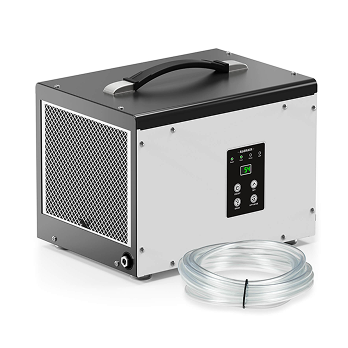
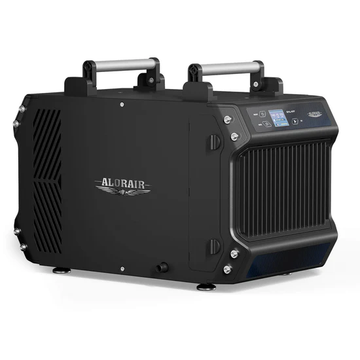
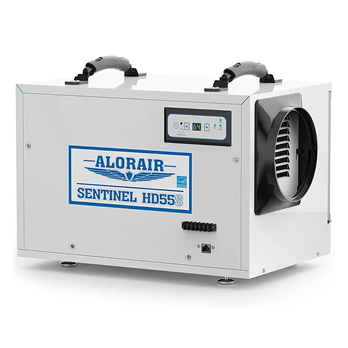
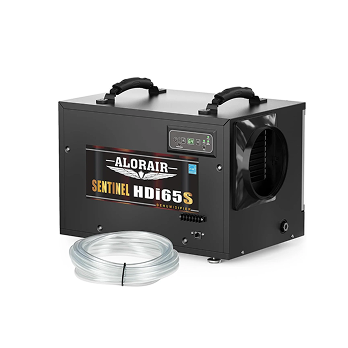
Basement and crawl space dehumidification addresses moisture at its source. These areas often have the highest humidity and many VOC sources including stored items, building materials, and moisture-related issues. AlorAir crawl space dehumidifiers maintain 40-50% RH automatically throughout your home's foundation.
Whole-home dehumidification integrated with HVAC systems controls humidity throughout your entire home. This comprehensive approach maximizes VOC emission reduction in all living spaces.
Optimal dehumidifier settings:
- Target humidity: 45-50% RH
- Continuous operation during humid seasons
- Proper drainage setup for unattended operation
- Regular filter maintenance for peak efficiency
AlorAir offers models ranging from compact crawl space units to powerful whole-home systems, all featuring Energy Star efficiency to minimize operating costs while maximizing air quality protection.
Natural Alternatives
Replace chemical cleaners with natural solutions:
- Vinegar and water for general cleaning
- Baking soda for scrubbing and deodorizing
- Castile soap for most cleaning tasks
- Lemon juice for disinfecting
- Essential oils for fragrance (use sparingly)
Add houseplants for natural air purification. NASA research identified species that remove VOCs including spider plants, peace lilies, snake plants, pothos, and English ivy. While helpful, plants provide supplemental VOC removal only—they can't replace mechanical systems.
Smart Product Selection
Making informed purchasing decisions prevents VOC problems before they start.
Furniture Choices
Select:
- Solid wood furniture without formaldehyde adhesives
- Green Guard certified items
- Secondhand or antique furniture (already offgassed)
- Water-based finishes
- Natural fiber upholstery (organic cotton, wool, linen)
Avoid:
- Pressed wood products unless formaldehyde-free
- New furniture with strong chemical odors
- Synthetic fabrics treated with stain repellents
- Polyurethane foam cushions
Paint and Finish Selection
Choose:
- Zero-VOC or low-VOC paints (under 50 g/L)
- Natural paints (milk paint, clay paint, lime wash)
- Water-based stains and finishes
- Products meeting Green Seal standards
Avoid:
- Oil-based paints and primers
- Spray paints (highest VOC concentrations)
- Standard polyurethane finishes
- Products with "strong odor" warnings
Room-by-Room Protection Strategies
Bedrooms
Priority area since you spend 6-8 hours nightly breathing bedroom air:
- Choose solid wood or metal bed frames
- Select organic mattresses without flame retardants
- Use natural fiber bedding
- Avoid carpeting; prefer hardwood or natural linoleum
- Keep all cleaning products out of bedrooms
- Install a portable dehumidifier if needed
Kitchens
High VOC exposure potential from cleaning and cooking:
- Always use exhaust fans while cooking
- Store cleaning products in well-ventilated areas
- Choose low-VOC finishes for cabinet refinishing
- Ventilate thoroughly when using oven self-cleaning
Bathrooms
Humidity and cleaning products create concerns:
- Run exhaust fans during and after showers
- Choose fragrance-free personal care products
- Store products in closed cabinets
- Control humidity below 50%
Frequently Asked Questions
How long does it take for new furniture to stop offgassing?
Most offgassing occurs during the first 6-12 months after manufacturing, with emissions declining steadily over time. However, furniture continues releasing VOCs at lower levels for several years. Pressed wood furniture offgasses longer than solid wood due to formaldehyde in adhesives.
Can I smell all the VOCs that are offgassing?
No, many VOCs are odorless or have such faint smells that you can't detect them at harmful concentrations. While strong chemical odors often indicate offgassing, absence of smell doesn't guarantee safety. Formaldehyde, benzene, and other dangerous compounds exist at health-affecting levels without producing noticeable odors.
Does high humidity really increase offgassing rates?
Yes, scientific research demonstrates that high humidity accelerates VOC emission rates by 50-100% compared to moderate humidity levels. When relative humidity increases from 40% to 80%, products can literally double their VOC release rate.
What's the best way to reduce VOC exposure in a rental?
Renters can significantly reduce exposure through controllable factors. Use portable air purifiers with activated carbon filters in bedrooms and main living areas. Install a portable dehumidifier to maintain 40-50% humidity, dramatically slowing offgassing rates. Choose furniture carefully—solid wood or secondhand pieces that have already offgassed. Use only natural cleaning products.
How do dehumidifiers specifically help with VOC control?
Dehumidifiers reduce VOC exposure by maintaining indoor humidity at 40-50% relative humidity, which significantly slows the rate at which products release volatile compounds. Research shows VOC emission rates increase 50-100% when humidity rises from moderate (40-50%) to high (60-80%) levels.
Should I be concerned about VOCs from my crawl space?
Yes, crawl space VOCs significantly impact whole-home air quality. Due to the stack effect, up to 50% of first-floor air originates from the crawl space. Crawl spaces often contain multiple VOC sources including stored paints, pesticides, building materials, and moisture-related mold producing volatile compounds.
Are "green" or natural products completely VOC-free?
Not always. While low-VOC and natural products contain fewer harmful chemicals than conventional alternatives, many still emit some VOCs. Natural materials like wood naturally contain volatile compounds, and products labeled "natural" may include essential oils that are technically VOCs (though generally less harmful than synthetic chemicals).
Conclusion
Offgassing poses real health risks that range from daily discomfort to serious long-term diseases. VOCs from common household products affect your family's health continuously, often without obvious warning signs. The encouraging news? You can dramatically reduce exposure through informed decisions and proven control strategies.
Explore AlorAir's complete line of dehumidifiers designed to protect your home's air quality through optimal humidity control, slowing offgassing and creating healthier indoor environments for your family.


