



If you're asking whether you should put a dehumidifier in your crawl space, you've likely noticed moisture problems, musty odors, or concerns about your home's air quality. The short answer for most homeowners is yes—crawl space dehumidifiers provide essential moisture control that protects your home's structure and your family's health. However, the complete answer depends on your specific situation, climate, existing moisture management, and crawl space conditions.
This comprehensive guide helps you determine whether a crawl space dehumidifier is right for your home, explains when it's absolutely necessary versus optional, and reveals what conditions make dehumidification most effective.
Understanding Crawl Space Moisture Problems
Before deciding about dehumidifiers, you need to understand why crawl spaces develop moisture issues and what problems result.
Why Crawl Spaces Stay Humid
Crawl spaces naturally accumulate moisture through multiple sources:
Ground moisture evaporation:
- Bare earth continuously releases water vapor into crawl space air
- A 1,000 sq ft crawl space can release 10-15 gallons of water daily through evaporation
- This occurs year-round regardless of outdoor weather
- Only vapor barriers prevent this moisture source
Temperature differential condensation:
- Crawl spaces stay cooler than outdoor air (typically 55-65°F)
- Warm, humid summer air enters crawl space
- Contact with cool surfaces causes condensation
- Water collects on pipes, ducts, concrete, and wood
Poor ventilation:
- Traditional foundation vents don't create adequate air exchange
- Dead air pockets trap humidity
- Moisture concentrates in corners and low spots
Stack effect:
- Warm air rises in your home creating negative pressure below
- Pulls humid air from crawl space into living areas
- Brings moisture, odors, and allergens upward
- 40-50% of first-floor air originates from crawl space
When a Crawl Space Dehumidifier Is Absolutely Necessary

Certain conditions make crawl space dehumidification essential, not optional.
Signs You Need a Dehumidifier Now
Persistent high humidity: If relative humidity consistently remains above 60% despite proper drainage and ground-moisture control, active dehumidification may be necessary. Effective control of high crawl space humidity begins with identifying the moisture source, correcting water intrusion, and then using a properly sized dehumidifier to manage the remaining airborne moisture. Use a hygrometer to record conditions over several days and, when possible, during different seasons.
Visible mold growth: Any visible mold indicates humidity problems requiring immediate attention. Dehumidifiers prevent mold establishment by maintaining humidity below 50%.
Musty odors: That distinctive "crawl space smell" signals mold and mildew growth. If odors persist despite cleaning, active dehumidification is needed.
Condensation on surfaces: Water droplets on pipes, concrete walls, or metal objects indicate humidity exceeds safe levels. This moisture accelerates damage and mold growth.
Wood deterioration: Soft spots in floor joists, subflooring, or support posts indicate moisture-related rot. Dehumidification prevents further damage after structural repairs.
Pest infestations: Recurring pest problems often trace to humid crawl spaces. Controlling moisture removes the attraction.
Health symptoms: If family members experience allergies, asthma, or respiratory issues worse at home, crawl space mold and humidity may be culprits.
Geographic Necessity: High-Humidity Climates
Certain regions make crawl space dehumidifiers virtually mandatory:
Southeast and Gulf Coast states:
- FL, GA, SC, NC, AL, MS, LA experience 70-90% outdoor humidity regularly
- Crawl spaces without dehumidification maintain 70-80%+ humidity
- Year-round operation necessary
- Dehumidifiers essential for home health
Mid-Atlantic coastal regions:
- VA, MD, DE coastal areas face persistent humidity
- Summer months particularly challenging
- Dehumidification prevents seasonal damage
Pacific Northwest:
- Western WA, OR experience prolonged damp conditions
- Moderate temperatures with high humidity ideal for mold
- Dehumidification maintains safe levels
Any region with:
- Average summer humidity above 70%
- Frequent rain or high water tables
- Poor natural drainage
- Proximity to bodies of water
When Dehumidifiers Are Beneficial But Not Critical
Some situations benefit from dehumidification without absolute necessity.
Moderate Climate Conditions
Transitional humidity regions: Areas experiencing high humidity seasonally but not year-round:
- Upper South states
- Northern tier states during summer
- Areas with distinct dry and wet seasons
Benefits in these climates:
- Prevents seasonal mold establishment
- Protects during humid months
- May run only 4-6 months annually
- Provides insurance against moisture spikes
Homes with Partial Moisture Control
Existing vapor barriers: If you have a quality vapor barrier covering 100% of crawl space floor:
- Ground moisture already controlled
- Dehumidifier addresses remaining sources
- Lower capacity requirements
- More cost-effective operation
Encapsulated crawl spaces: Sealed crawl spaces with insulation and sealed vents:
- Reduced moisture infiltration
- Dehumidifier supplements encapsulation
- Maintains optimal humidity consistently
- Prevents any residual moisture issues
Good drainage systems: Properties with excellent exterior drainage:
- French drains around foundation
- Proper grading away from house
- Functioning gutters and downspouts
- Sump pump if needed
Preventive Moisture Management
For valuable homes: Even without current problems, dehumidifiers provide:
- Long-term structural protection
- Prevention of future damage
- Maintained property value
- Peace of mind
For health-conscious families: Proactive humidity control ensures:
- Optimal indoor air quality
- Reduced allergen exposure
- Healthier living environment
- Better respiratory health
When Dehumidifiers May Not Be the Answer

Some situations require different solutions before or instead of dehumidification.
Active Water Intrusion Problems
Dehumidifiers cannot solve:
Standing water:
- Pooling water after rain
- Groundwater seepage through foundation
- Plumbing leaks
- Failed sump pumps
Required solutions first:
- Fix drainage and grading issues
- Repair foundation cracks
- Install or repair gutters/downspouts
- Add French drains if needed
- Install sump pump for groundwater
- THEN add dehumidifier for remaining moisture
Why this order matters: Dehumidifiers remove water vapor from air—they cannot pump out standing water. Running dehumidifiers while active water intrusion continues wastes energy and money without solving problems.
Inadequate Vapor Barriers
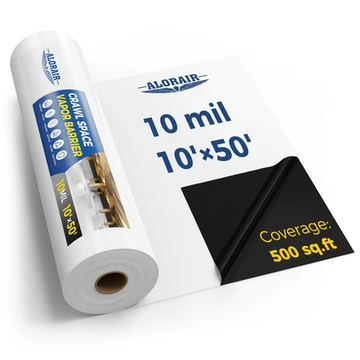
Without proper ground coverage: Bare dirt or inadequate vapor barriers allow continuous moisture evaporation exceeding any dehumidifier's capacity. Install 6-mil minimum polyethylene vapor barrier first.
Cost-effectiveness:
- Vapor barriers: One-time investment, permanent solution for ground moisture
- Dehumidifiers without barriers: Ongoing costs fighting endless moisture
- Combined approach: Vapor barrier reduces dehumidifier capacity needed by 40-50%
Extremely Dry Climates
Desert and high-altitude regions:
- Arizona, New Mexico, Nevada, western Texas
- Parts of Colorado, Utah, Wyoming above 6,000 feet
- Natural humidity often below 30-40%
In these climates:
- Crawl spaces rarely exceed 50% humidity naturally
- Dehumidifiers usually unnecessary
- Monitor conditions to verify
- Focus on other moisture sources if problems exist
Benefits of Installing a Crawl Space Dehumidifier
Understanding specific advantages helps justify the investment.
Health and Air Quality Improvements
Mold prevention: Maintaining 40-50% humidity prevents mold establishment. Existing spores cannot colonize or reproduce below 60% humidity.
Allergen reduction:
- Dust mites require 50%+ humidity—dehumidification eliminates their habitat
- Reduced mold spores circulating to living areas
- Fewer triggers for allergies and asthma
- Cleaner, healthier indoor air
Respiratory benefits: Families report:
- Fewer respiratory infections
- Reduced asthma attacks
- Less chronic congestion
- Better overall health
Odor elimination: Controlling humidity eliminates the musty smell at its source rather than masking it.
Structural Protection
Wood preservation:
- Prevents wood rot in floor joists and subflooring
- Protects against expensive structural repairs
- Maintains home integrity and safety
- Preserves property value
Foundation protection:
- Reduces efflorescence and concrete deterioration
- Prevents freeze-thaw damage from saturated concrete
- Protects foundation integrity long-term
HVAC longevity:
- Ductwork stays dry and efficient
- Equipment lasts longer without corrosion
- Better heating and cooling performance
- Lower maintenance and replacement costs
Energy Efficiency
Reduced HVAC load:
- Dry air easier to heat and cool than humid air
- Air conditioning runs less efficiently with high humidity
- Dehumidified crawl spaces reduce whole-home humidity
- Lower energy bills offset operating costs
Insulation effectiveness:
- Damp insulation loses R-value
- Dry insulation performs as designed
- Better temperature retention
- More comfortable home
Pest Deterrence
Moisture-dependent pests: Controlling humidity makes your crawl space inhospitable to:
- Termites (require moisture for survival)
- Carpenter ants (seek damp wood)
- Cockroaches and silverfish (thrive in humidity)
- Mold-feeding insects
Chemical-free pest control: Environmental modification (humidity reduction) prevents infestations without pesticides—safer for families and pets.
How to Decide: The Decision Framework
Use this systematic approach to determine your needs.
Step 1: Measure Current Conditions
Install hygrometers:
- Place in multiple crawl space locations
- Monitor for 7-14 days minimum
- Check different seasons if possible
- Record highs, lows, and averages
Target readings:
- Above 60%: Dehumidifier necessary
- 50-60%: Beneficial, especially if trending upward
- 40-50%: Optimal range, dehumidifier may not be needed
- Below 40%: Monitor for other issues but dehumidifier unnecessary
Step 2: Assess Current Moisture Management
Evaluate existing protection:
|
Factor |
Yes |
No |
Action Needed |
|
Vapor barrier (6-mil+, 100% coverage) |
✓ |
✗ |
Install before dehumidifier |
|
Proper drainage (gutters, grading) |
✓ |
✗ |
Fix before dehumidifier |
|
Foundation sealed (no cracks/gaps) |
✓ |
✗ |
Repair before dehumidifier |
|
Vents sealed (if encapsulating) |
✓ |
✗ |
Complete encapsulation |
|
Insulation (walls or floor) |
✓ |
✗ |
Consider for efficiency |
Complete moisture management approach:
- Fix active water intrusion
- Install vapor barriers
- Improve drainage
- Seal and insulate
- Add dehumidifier for remaining moisture
Step 3: Consider Your Climate
High-humidity climate indicators:
- Summer outdoor humidity regularly 70%+
- Frequent rain or proximity to water
- Muggy, sticky outdoor conditions common
- Mold grows readily outdoors
Decision: Dehumidifier strongly recommended
Moderate-humidity climate indicators:
- Summer outdoor humidity 50-70%
- Seasonal rainfall patterns
- Mix of humid and dry periods
Decision: Dehumidifier beneficial, especially for prevention
Low-humidity climate indicators:
- Summer outdoor humidity below 50%
- Arid, dry conditions most of year
- Desert or high-altitude environment
Decision: Dehumidifier likely unnecessary unless moisture from other sources
Step 4: Evaluate Health and Value Priorities
Priority factors suggesting dehumidifier:
- Family members with allergies, asthma, or respiratory issues
- Previous mold problems requiring remediation
- Valuable home requiring long-term protection
- Plans to stay in home long-term
- Finished basement or living space below
- HVAC equipment in crawl space
Lower priority factors:
- Temporary residence
- No health concerns
- Dry climate
- Excellent existing moisture management
- Limited budget for home improvements
Installing and Operating Crawl Space Dehumidifiers
Once you determine that mechanical dehumidification is necessary, the next step is choosing the right crawl space dehumidifier. Compare capacity, low-temperature performance, automatic defrost, drainage method, energy efficiency, dimensions, airflow, and maintenance access against the actual conditions in the space. After selecting an appropriate unit, follow the installation and operating requirements below to achieve reliable moisture control.
Essential Installation Requirements
Vapor barrier prerequisite: Never install dehumidifiers over bare dirt. The ground moisture load makes dehumidification ineffective and expensive.
Proper sizing:
- Calculate crawl space square footage
- Assess moisture severity
- Consider climate factors
- Choose appropriate capacity (typically 70-235 PPD for crawl spaces)
Drainage solutions:
- Built-in pump models lift water 19+ feet (most convenient)
- Gravity drainage to exterior or sump (requires slope)
- Never rely on bucket emptying (unsustainable)
Electrical requirements:
- Dedicated 110-120V circuit
- GFCI protection recommended
- Professional installation if wiring needed
Strategic placement:
- Central location for whole-space coverage
- Minimum 12 inches clearance all sides
- Level surface for proper operation
- Protected from direct water exposure
Optimal Settings and Operation
Target humidity:
- Set to 45-50% relative humidity
- Too low (below 40%) wastes energy
- Too high (above 55%) allows mold risk
- Adjust seasonally if needed
Continuous operation:
- Let unit run automatically based on humidistat
- Don't turn off seasonally without monitoring
- Ground moisture continues year-round
- Consistent operation prevents problems
Monitoring and maintenance:
- Check monthly during peak seasons
- Clean filters every 2-4 weeks during operation
- Verify drainage functioning properly
- Annual professional service recommended
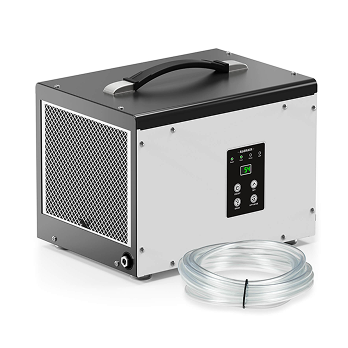
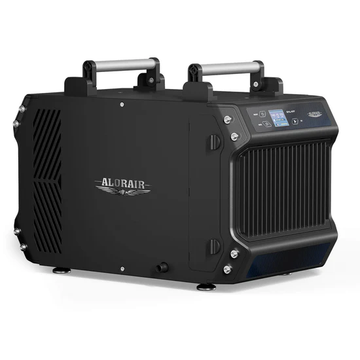
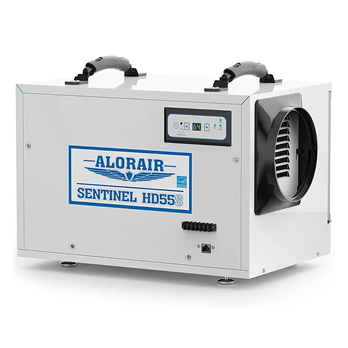
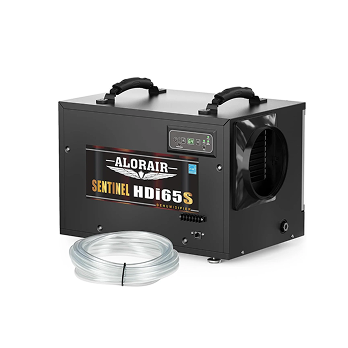
Explore AlorAir's crawl space dehumidifier options for reliable, professional-grade moisture control.
Frequently Asked Questions
Is a crawl space dehumidifier really necessary or just nice to have?
For most homes in moderate to high-humidity climates, crawl space dehumidifiers are necessary for proper moisture control and home protection. They're essential (not optional) if your crawl space humidity consistently exceeds 60%, you see visible mold or condensation, smell musty odors,
How do I know if my crawl space needs a dehumidifier?
Measure crawl space humidity with a hygrometer for 7-14 days. If readings consistently exceed 60%, you need a dehumidifier. Other clear indicators include visible mold growth (black, green, or white spots on wood or concrete), persistent musty odors that permeate your home, condensation on pipes or walls.
Can I just use a regular portable dehumidifier in my crawl space?
No, portable room dehumidifiers are not suitable for crawl spaces and will fail quickly. Here's why: crawl space-specific units operate down to 41°F with auto-defrost while portable units stop working below 65°F (crawl spaces typically stay 55-65°F year-round).
Should I install a dehumidifier before or after crawl space encapsulation?
Install vapor barriers and complete basic encapsulation before adding a dehumidifier for maximum effectiveness and efficiency. Here's the optimal sequence: First, fix any active water intrusion (drainage, gutters, foundation cracks, sump pump installation).
How much does it cost to run a crawl space dehumidifier?
Operating costs vary based on dehumidifier efficiency, climate, crawl space conditions, and local electricity rates, but Energy Star certified crawl space dehumidifiers typically add moderate monthly costs during operation seasons.
Conclusion
For the majority of homeowners, the answer to "should I put a dehumidifier in my crawl space" is yes—particularly in moderate to high-humidity climates where crawl space moisture poses ongoing threats to structural integrity, air quality, and family health. Crawl space dehumidifiers aren't luxury items; they're essential home protection systems that prevent mold growth, wood rot, pest infestations, and health problems while protecting your investment.
Key decision factors:
- Climate is primary—high-humidity regions make dehumidifiers virtually mandatory
- Current conditions matter—humidity above 60% confirms necessity immediately
- Comprehensive approach works best—vapor barriers + drainage + dehumidification
- Prevention beats remediation—proactive humidity control prevents expensive damage
- Quality equipment matters—professional-grade units last 10-15+ years vs. 3-6 months for inadequate alternatives
If you're still uncertain, measure your crawl space humidity over 7-14 days. Readings consistently above 60% provide your answer: yes, you need a dehumidifier. Visible mold, musty odors, or condensation make the decision even clearer.
Ready to protect your home with professional crawl space moisture control? Explore AlorAir's complete line of crawl space dehumidifiers designed specifically for demanding crawl space conditions. With capacities from 70-235 PPD, Energy Star efficiency, built-in pumps, automatic operation, and durable construction, AlorAir provides reliable moisture control that protects your home for 10-15+ years.
Take control of your crawl space moisture today. Visit AlorAir to find the right dehumidifier for your specific needs and get the expert guidance that ensures you make the best decision for your home's protection and your family's health.


