


When illness strikes your household, humidity becomes a critical but often misunderstood factor in both prevention and recovery. Too little moisture leaves airways vulnerable to infection, while too much creates breeding grounds for illness-causing mold and allergens. Understanding optimal humidity levels—and knowing when to add versus remove moisture—can reduce your family's sick days and speed recovery when illness does occur.
This comprehensive guide explains the science behind humidity and health, provides specific humidity targets for different situations, and reveals how whole-home moisture balance—including often-overlooked basement and crawl space humidity—impacts your family's wellness throughout the year.
The Humidity-Health Connection: Why Balance Matters
Your respiratory system functions optimally within a narrow humidity range. Deviations in either direction compromise your body's natural defenses and create environments where pathogens thrive.
How Humidity Affects Your Immune Defenses
Mucous membrane function: Your nose, throat, and airways are lined with mucous membranes that serve as your first line of defense against viruses and bacteria. These membranes require proper hydration to function effectively.
In dry air (below 30% humidity):
- Mucous membranes dry out and crack
- Cilia (tiny hairs that sweep pathogens away) slow or stop functioning
- Airway tissues become irritated and inflamed
- Viruses remain airborne longer (up to 23 hours vs. 15 minutes in optimal humidity)
- Your body produces less protective mucus
In excessively humid air (above 60% humidity):
- Mold spores proliferate rapidly
- Dust mites thrive (require 50%+ humidity)
- Bacteria multiply more quickly
- Allergen concentrations increase
- Respiratory passages may feel congested even without infection
- Existing illnesses worsen due to irritant exposure
In optimal humidity (40-50%):
- Mucous membranes stay properly hydrated
- Cilia function effectively to remove pathogens
- Viruses fall from the air within 15 minutes
- Immune cells in airways work efficiently
- Mold and dust mite populations stay minimal
The Science of Viral Transmission and Humidity
Research from the National Institutes of Health shows that humidity levels dramatically affect how long viruses survive and spread:
|
Humidity Level |
Virus Survival Time |
Transmission Risk |
|
Below 30% |
Up to 23 hours airborne |
Very High - viruses spread easily |
|
30-40% |
4-8 hours airborne |
High - moderate transmission |
|
40-50% |
15 minutes-2 hours |
Low - optimal defense zone |
|
50-60% |
2-6 hours |
Moderate - rising allergen risk |
|
Above 60% |
Variable |
High - mold/allergen problems |
Key insight: The 40-50% range creates hostile conditions for viruses while maintaining your body's natural defenses—a double protection that significantly reduces illness transmission within households.
When Dry Air Makes You Sick: The Case for Humidification

During heating season (typically November through March), indoor air often drops to 15-30% relative humidity—dangerously low for respiratory health.
Symptoms of Excessively Dry Air
Immediate effects:
- Dry, scratchy throat especially upon waking
- Bloody noses or nasal crusting
- Dry, itchy skin and lips
- Static electricity shocks
- Aggravated asthma or allergies
- Persistent dry cough
Increased illness susceptibility:
- More frequent colds and flu
- Longer recovery times from respiratory infections
- Secondary bacterial infections after viral illness
- Worsening of chronic respiratory conditions
When You Need a Humidifier
Living spaces during winter: Room or whole-home humidifiers benefit your living areas when:
- Indoor humidity consistently measures below 40%
- Heating systems are running regularly
- You live in dry climate regions (desert Southwest, mountain states)
- Family members experience dry air symptoms
- Winter months bring persistent low humidity
Bedroom humidification when sick: If someone is ill with cold or flu symptoms, temporary bedroom humidification helps when:
- Congestion makes breathing difficult
- Dry cough disrupts sleep
- Throat feels raw and painful
- Room humidity is below 40%
- Recommended by healthcare provider
Important limitation: Room humidifiers only address individual room conditions. They cannot solve whole-home humidity imbalances or problems originating from damp basements and crawl spaces.
When Excess Humidity Makes You Sick: The Case for Dehumidification

While dry air receives more attention during illness, high humidity often poses greater long-term health risks—particularly because problems originate in areas homeowners rarely monitor.
How High Humidity Compromises Health
Mold and mildew proliferation: Humidity above 60% allows mold to colonize surfaces throughout your home. Mold exposure causes:
- Chronic respiratory irritation
- Allergic reactions (sneezing, watery eyes, congestion)
- Asthma attacks and worsening symptoms
- Persistent coughing and throat irritation
- Headaches and fatigue
- In severe cases, serious lung infections
Dust mite explosion: These microscopic arachnids are among the most common allergens. They require 50%+ humidity to survive and reproduce rapidly above 60%. Dust mite allergens cause:
- Year-round "cold" symptoms that never resolve
- Morning congestion and sneezing
- Worsening asthma
- Eczema flare-ups
- Sleep disruption from congestion
Bacterial growth acceleration: High humidity allows bacteria to multiply more quickly on surfaces and in the air, increasing infection risk throughout your home.
When You Need a Dehumidifier
Humid climates year-round: If you live in humid regions (Southeast, Gulf Coast, Mid-Atlantic, Pacific Northwest), you likely need dehumidification:
- Summer months when outdoor humidity exceeds 70%
- Year-round in consistently humid climates
- Any time basement or crawl space humidity exceeds 50%
- When you notice musty odors or condensation
Basements and crawl spaces always: These areas almost universally require dehumidification because:
- Ground moisture evaporates into crawl spaces continuously
- Cool temperatures create condensation even when outdoor air is dry
- Poor ventilation traps moisture
- Mold grows readily in these conditions
- Moisture migrates upward into living spaces via stack effect
When illness seems chronic or recurring: If family members experience persistent symptoms that suggest environmental causes:
- "Colds" that never fully resolve
- Allergy symptoms worse at home than elsewhere
- Morning congestion that improves during the day
- Musty odors anywhere in home
- Visible mold or mildew
- Basement humidity above 50%
The Hidden Problem: How Basement Humidity Affects Whole-Home Health

Most homeowners focus exclusively on living space humidity while ignoring the foundation of their home—literally. This oversight causes chronic health problems that seem mysterious because the source remains hidden below.
The Stack Effect: Your Crawl Space Impacts Every Floor
The stack effect describes how air moves through your home: warm air rises, creating negative pressure at lower levels that pulls replacement air upward from basements and crawl spaces.
Critical statistics:
- 40-50% of the air on your first floor originates from your crawl space or basement
- This air carries whatever contaminants exist below—mold spores, dust, moisture, odors
- Your HVAC system then distributes this contaminated air throughout your entire home
- Children and sleeping family members breathe this air for hours daily
Health implications: Even if your living space humidity measures 40-50%, if your crawl space maintains 70-80% humidity:
- Mold growing below releases spores that travel upward
- Dust mites thrive in damp conditions below
- Musty odors permeate your home
- Wood rot creates airborne particulates
- Your family's health suffers despite "normal" upstairs readings
Why Crawl Space Dehumidification Matters for Illness Prevention
Controlling humidity in your home's foundation provides comprehensive health protection by:
Eliminating mold at the source: Maintaining crawl space humidity at 40-50% prevents mold establishment. You're not fighting symptoms—you're removing the cause.
Reducing whole-home allergen load: Controlling foundation moisture dramatically reduces dust mites, mold spores, and other allergens throughout your entire home via the stack effect.
Protecting air quality comprehensively: Rather than treating individual rooms, crawl space humidity control improves air quality everywhere because it addresses the source feeding moisture and contaminants to upper levels.
Preventing structural damage that creates health hazards: High crawl space humidity causes wood rot that releases particles and creates entry points for pests—both health hazards that whole-home air purifiers can't address.
Optimal Humidity Targets for Different Health Scenarios
Appropriate humidity levels vary based on season, climate, and specific health situations.
Year-Round Baseline Targets
|
Location in Home |
Optimal Range |
Maximum Safe Level |
Minimum Safe Level |
|
Living Spaces |
40-50% RH |
55% RH |
35% RH |
|
Bedrooms |
40-50% RH |
55% RH |
35% RH |
|
Bathrooms |
40-50% RH baseline* |
70% temporarily |
35% RH |
|
Basement |
40-50% RH |
50% RH |
35% RH |
|
Crawl Space |
40-50% RH |
50% RH |
30% RH |
*Bathrooms spike during showers but should return to baseline within 30 minutes
Seasonal Adjustments
Winter (heating season):
- Living spaces often require humidification to reach 40%
- Basements and crawl spaces still need dehumidification (see winter article for details)
- Monitor both to maintain balance
Summer (cooling season):
- All areas typically need dehumidification
- Focus intensifies on basement and crawl space control
- Living spaces benefit from HVAC dehumidification
Spring/Fall (moderate seasons):
- May need minimal intervention
- Monitor for changes as weather shifts
- Maintain basement/crawl space control year-round
When Someone Is Sick: Special Considerations
For respiratory illness (cold, flu, bronchitis):
- Maintain bedroom at 45-50% RH if below 40%
- Continue basement/crawl space dehumidification (don't sacrifice it for bedroom humidification)
- Use room humidifier temporarily if needed
- Remove humidifier once illness resolves to prevent mold
For allergy or asthma flare-ups:
- Maintain all areas at 40-45% RH (lower end of range)
- Verify basement/crawl space isn't exceeding 50%
- Check for mold sources if symptoms persist
- Consider whole-home dehumidification if humid climate
For chronic respiratory conditions:
- Consistent 40-50% throughout home
- Never allow basement/crawl space above 50%
- Professional mold inspection if symptoms are worse at home
- Year-round foundation moisture control essential
Frequently Asked Questions
What is the best humidity level when sick with a cold or flu?
The optimal humidity when sick is 40-50% relative humidity—the same as when healthy. This range helps your respiratory system function optimally by keeping mucous membranes hydrated without creating conditions that promote mold or bacterial growth.
Should I run a humidifier in the bedroom when sick?
You may use a bedroom humidifier temporarily if room humidity is below 40% and you're experiencing congestion or dry throat from respiratory illness. However, this should be a short-term solution (days to a week maximum), and you must maintain humidity below 50% to prevent mold growth.
Can high humidity in my basement make my family sick even if upstairs humidity is normal?
Yes, absolutely. Due to the stack effect, 40-50% of your first-floor air originates from your basement or crawl space. If your basement maintains 70-80% humidity while upstairs measures 40-50%, mold growing in the basement releases spores that travel upward into living spaces.
How do I know if I need a humidifier or dehumidifier?
Check current humidity levels with hygrometers placed in multiple locations (basement, living room, bedrooms). If readings are consistently below 40%, you need humidification in those specific areas. If readings exceed 50% anywhere—especially in basements or crawl spaces—you need dehumidification in those locations.
Does controlling crawl space humidity really prevent illness?
Yes, controlling crawl space humidity significantly reduces illness by eliminating mold, mildew, and dust mites at their source. Research shows that 40-50% of first-floor air comes from crawl spaces via the stack effect, carrying whatever contaminants exist below.
Conclusion
The optimal humidity level when sick is the same as when healthy: 40-50% relative humidity throughout your home. This narrow range supports your immune system's natural defenses while preventing the mold, dust mites, and bacteria that thrive at humidity extremes.
Essential principles for humidity and health:
- Foundation first—control basement and crawl space humidity year-round to prevent mold and allergens at their source
- Living spaces seasonally—add moisture during winter heating, remove it during humid summers
- Never exceed 50%—even when sick, high humidity creates more problems than it solves
- Monitor continuously—use hygrometers to measure rather than guess humidity levels
- Whole-home approach—isolated room solutions can't fix foundation moisture problems affecting your entire house
Most importantly, recognize that temporary bedroom humidification for cold relief won't protect your family's long-term health. The foundation of wellness is literal—controlling humidity in your home's crawl space and basement prevents the mold and allergens that cause recurring illness, while seasonal living space adjustments optimize comfort and recovery.
Don't wait for mysterious recurring illnesses to reveal hidden moisture problems. Take control of your home's humidity balance today with proper foundation moisture control that protects your family's health year-round.
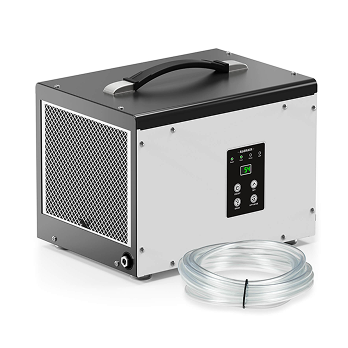
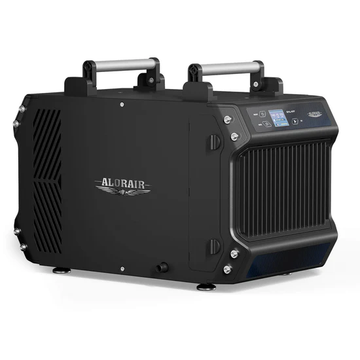
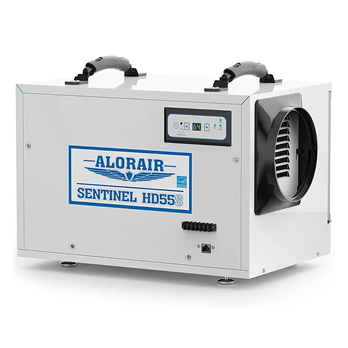
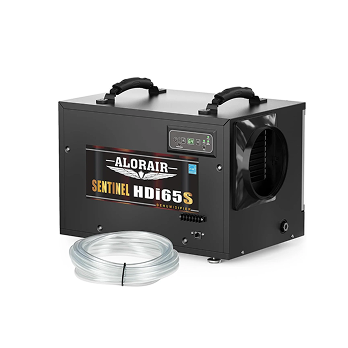
Explore AlorAir's complete line of basement and crawl space dehumidifiers designed for continuous health protection. With Energy Star efficiency, automatic operation, built-in drainage pumps, and durable construction, AlorAir provides the reliable moisture control your family's wellness depends on. Protect your home's foundation and your family's health simultaneously—visit AlorAir today to find the right solution for comprehensive humidity management.


