


Most homeowners assume dehumidifiers are only necessary during hot, humid summer months. The moment temperatures drop and heating systems kick on, they shut off their basement dehumidifiers, convinced that winter's cold air eliminates moisture problems. This common misconception leads to thousands in damage annually—because basements and crawl spaces often need dehumidification more in winter than summer.
This comprehensive guide explains the counterintuitive reality of winter moisture, why your basement or crawl space likely needs year-round humidity control, optimal winter settings, and how to prevent cold-weather moisture damage that catches homeowners by surprise.
The Winter Moisture Paradox: Why Cold Air Doesn't Mean Dry Basements
Understanding why basements stay damp in winter requires grasping a few key principles about moisture, temperature, and building science.
Cold Air Holds Less Moisture—But That's Not the Whole Story
It's true that cold outdoor air contains less absolute moisture than warm summer air. At 30°F, air holds only about 25% of the water vapor it can hold at 80°F. This leads many to conclude that winter = dry conditions.
However, this ignores three critical factors:
Relative Humidity vs. Absolute Humidity: When cold outdoor air enters your home and warms up, its relative humidity drops dramatically. This is why your living spaces feel dry in winter—the heated air can hold much more moisture than it currently contains.
But your basement tells a different story.
Temperature Differential: While your living spaces are heated to 68-72°F, your basement or crawl space typically remains much cooler—often 50-60°F even with heating. At these lower temperatures, the same amount of moisture creates much higher relative humidity.
Ground Temperature Stability: Below the frost line, ground temperature remains relatively constant year-round (typically 50-60°F depending on location). This means your basement walls and floor stay cool even when outdoor temperatures plunge, creating perfect conditions for condensation.
Stack Effect Amplification: The stack effect—warm air rising and pulling air from lower levels—intensifies in winter due to greater temperature differences between basement and upper floors. This pulls moisture from crawl spaces and basements into living areas while simultaneously drawing humid air from living spaces back down to condense in the basement.
Frozen Ground Barrier: When the ground freezes, it creates an impermeable layer that prevents natural drainage. Water that would normally percolate away from your foundation gets trapped against basement walls, increasing moisture infiltration.
Signs Your Basement Needs Winter Dehumidification
Many homeowners don't realize they have winter moisture problems until damage becomes visible. Watch for these warning signs:
Visible Moisture Indicators
Condensation on surfaces:
- Water droplets on basement windows
- Wet spots on concrete walls or floors
- Moisture on cold water pipes
- Damp patches on basement ceilings
- Condensation on metal objects (tools, appliances)
Frost formation: In extremely cold basements or crawl spaces, excessive humidity can actually create frost on cold surfaces. This melts when temperatures rise, creating water damage cycles.
Efflorescence: White, powdery deposits on concrete walls indicate water moving through the concrete, bringing dissolved salts to the surface. This signals both moisture problems and potential structural concerns.
Mold and Mildew Growth
Winter mold characteristics:
- Black or dark green spots in corners
- Musty odors that intensify when heating system runs
- Mold growth on stored items (cardboard boxes, fabrics, paper)
- Visible mold on basement ceiling joists or subflooring
- Mildew on basement walls, especially near floor level
Why winter mold is particularly concerning: Mold grows year-round when conditions are favorable. Winter's combination of high humidity and moderate temperatures (50-60°F in basements) provides ideal conditions. Additionally, reduced ventilation allows mold spores to concentrate, increasing health risks.
Optimal Winter Humidity Settings for Basements and Crawl Spaces

Setting appropriate humidity levels protects your home while maintaining comfort and efficiency.
Target Humidity Ranges by Temperature
|
Outdoor Temperature |
Recommended Basement RH |
Why This Range |
|
Above 40°F |
45-50% RH |
Standard comfort range; prevents mold and condensation |
|
20°F to 40°F |
40-45% RH |
Lower setting prevents condensation on cold surfaces while maintaining protection |
|
0°F to 20°F |
35-40% RH |
Reduced to prevent frost formation on extremely cold surfaces |
|
Below 0°F |
30-35% RH |
Minimum setting for coldest conditions; prevents ice formation |
Important note: These are basement/crawl space settings. Your upper-floor living spaces can maintain 40-50% year-round with proper humidification and dehumidification balance.
Why Temperature-Based Adjustments Matter
Condensation prevention: As outdoor temperatures drop, surfaces in contact with the outside (basement walls, rim joists, cold water pipes) become colder. Maintaining the same humidity level that worked at 50°F will cause condensation problems at 0°F.
Monitoring and Adjusting Throughout Winter
Install hygrometers: Place digital humidity monitors in:
- Main basement area
- Crawl space (if accessible)
- Near coldest exterior wall
- Near sump pump or known moisture sources
Check weekly during cold snaps: When outdoor temperatures drop significantly, check basement humidity daily for the first week. Adjust dehumidifier settings if readings climb above target ranges.
Seasonal adjustment schedule:
Early Winter (November-December):
- Start at 45% RH setting
- Monitor for condensation during first cold periods
- Adjust down if moisture appears on surfaces
Mid-Winter (January-February):
- Typically lowest settings needed (35-40% RH)
- Watch for frost formation
- Increase vigilance during extreme cold
Late Winter (March):
- Gradually increase settings as temperatures moderate
- Begin transition back to standard settings
- Prepare for spring moisture challenges
Why Crawl Spaces Especially Need Winter Dehumidification
Crawl spaces face unique winter moisture challenges that make dehumidification even more critical than in finished basements.
Crawl Space-Specific Winter Issues
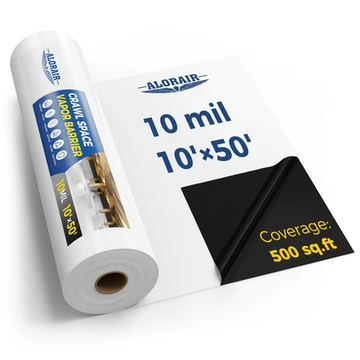
Ground moisture continues year-round: Unlike precipitation that stops in winter, ground moisture evaporates into crawl spaces continuously. Without proper vapor barriers, a 1,000 square foot crawl space can release 10-15 gallons of water per day into the air—even in January.
Inadequate insulation: Many crawl spaces have minimal or no insulation, allowing cold outdoor air to directly contact warm, moist air from the home above. This creates perfect condensation conditions.
The Stack Effect and Crawl Space Moisture
How moisture travels upward: The stack effect pulls air from your crawl space into living areas constantly. In winter:
- Temperature differences amplify the effect
- 40-50% of first-floor air originates from crawl space
- Moisture, mold spores, and odors travel with the air
- Your HVAC system can spread contamination throughout the home
Protecting your entire home: Controlling crawl space humidity in winter protects your whole house by:
- Preventing mold growth in the foundation of your home
- Stopping musty odors before they spread upward
- Protecting floor joists and subflooring from rot
- Reducing heating costs (dry air is easier to heat than damp air)
- Improving whole-home air quality
Benefits of Year-Round Basement Dehumidification
Running your dehumidifier through winter provides advantages that extend far beyond moisture control.
Structural Protection
Preventing wood rot: Floor joists, subflooring, and wooden support structures require protection from moisture year-round. Wood begins deteriorating when moisture content exceeds 20%—which occurs at humidity levels above 65%. Winter's high basement humidity can quickly damage structural wood.
Concrete preservation: While concrete seems impervious, repeated freeze-thaw cycles in damp concrete cause spalling (flaking and chipping) and cracking. Maintaining lower humidity reduces concrete moisture content, minimizing freeze-thaw damage.
Metal and mechanical protection: HVAC equipment, water heaters, and exposed pipes last longer when protected from corrosive humidity. Winter's combination of cold temperatures and high humidity accelerates metal corrosion.
Peace of mind: Knowing your foundation is protected year-round eliminates worry about discovering damage when you retrieve stored items or during spring when problems become most visible.
Choosing the Right Dehumidifier for Winter Operation

Not all dehumidifiers handle cold temperatures effectively. Winter operation requires specific features and capabilities.
Essential Features for Winter Dehumidification
Low-temperature operation: Standard portable dehumidifiers stop working below 65°F—useless for winter basements. Professional crawl space and basement dehumidifiers operate effectively down to 41°F with auto-defrost capabilities.
Auto-defrost functionality: When coils drop below freezing, frost accumulates and blocks airflow. Auto-defrost systems:
- Detect frost formation
- Pause compressor operation
- Allow coils to warm and defrost
- Resume operation automatically
- Prevent equipment damage from ice buildup
Continuous drainage: Winter operation requires unattended running. Manual bucket emptying isn't practical when operating 24/7. Essential drainage features include:
- Built-in condensate pumps (lift water up to 19 feet)
- Gravity drain connections
- Automatic operation without intervention
Durable construction: Cold, damp environments are harsh. Quality dehumidifiers feature:
- Metal housing (not plastic that becomes brittle)
- Corrosion-resistant components
- Sealed electrical systems
- Heavy-duty compressors rated for continuous operation
Energy efficiency: Winter operation means running during peak heating season when electricity costs are highest. Energy Star certified units use 20-30% less power—saving significant money over winter months.
Capacity Requirements for Winter Operation
Winter humidity loads differ from summer, but appropriate sizing remains critical.
|
Space Size |
Minimum Winter Capacity |
Recommended Models |
|
Up to 1,000 sq ft |
70 PPD |
Compact crawl space units |
|
1,000-1,500 sq ft |
110-130 PPD |
Mid-capacity basement dehumidifiers |
|
1,500-2,000 sq ft |
145-180 PPD |
High-capacity units |
|
2,000+ sq ft |
180-235 PPD |
Commercial-grade dehumidifiers |
Winter sizing considerations:
Lower capacity needs: Winter moisture loads are typically 30-50% lower than summer. However, don't downsize equipment because:
- Lower temperatures reduce dehumidifier efficiency
- Cold conditions require more runtime for same moisture removal
- Properly sized units cycle correctly rather than running constantly
Extreme cold operation: In unheated crawl spaces or basements where temperatures approach 41°F, consider sizing up one capacity level to compensate for reduced efficiency in near-freezing conditions.
Proper Winter Dehumidifier Setup and Maintenance
Maximizing winter performance requires correct installation and regular attention.
Optimal Placement
Location considerations:
- Central placement for whole-space coverage
- Away from exterior walls (coldest areas)
- Minimum 12 inches clearance on all sides for airflow
- Protected from direct cold air infiltration
- Accessible for filter cleaning and monitoring
Drainage setup:
- Pump discharge line protected from freezing
- Gravity drains with proper slope (1/4 inch per foot minimum)
- Insulated drain lines if passing through unheated areas
- Backup alarm systems to alert if pump fails
Temperature-Based Operation Strategy
Adjusting for extreme cold:
Above 45°F:
- Normal operation and settings
- Standard maintenance schedule
- Target humidity 40-50%
41-45°F:
- Lower target humidity to 35-40%
- Check daily for frost formation
- Clean filters weekly (restricted airflow increases icing risk)
Below 41°F: Most dehumidifiers should not operate below this temperature. Options:
- Add heat source to maintain 41°F+ (even small space heater helps)
- Temporarily shut down until temperatures moderate
- Consider heated models designed for extreme cold
Monthly Winter Maintenance Checklist
Filter maintenance:
- Clean or replace filters monthly (more often in dusty environments)
- Inspect for frost buildup on coils
- Check that airflow is strong and unobstructed
Drainage verification:
- Test pump operation monthly
- Ensure drain lines haven't frozen
- Check for water backup or leaks
- Verify discharge location is functioning
Humidity monitoring:
- Record basement humidity weekly
- Compare to outdoor temperatures
- Adjust settings if readings creep above targets
- Check multiple locations if space is large
Visual inspection:
- Look for condensation on surfaces
- Check for new mold growth
- Inspect stored items for moisture damage
- Verify unit is running and cycling properly
Equipment checks:
- Listen for unusual sounds (grinding, squealing, clicking)
- Check that fan motor operates smoothly
- Verify display and controls function correctly
- Test humidity sensor accuracy (compare to separate hygrometer)
Conclusion
The assumption that winter's cold air solves moisture problems represents one of homeowners' most costly misconceptions. While your heated living spaces battle dryness, your basement or crawl space often struggles with the opposite problem—excessive humidity that damages structures, promotes mold, and degrades air quality throughout your entire home.
Don't let winter lull you into complacency about basement moisture. The damage occurring now—invisible condensation, developing mold colonies, deteriorating wood—will reveal itself in spring when it's too late for prevention and expensive remediation becomes necessary.
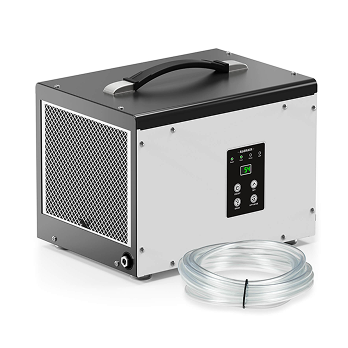
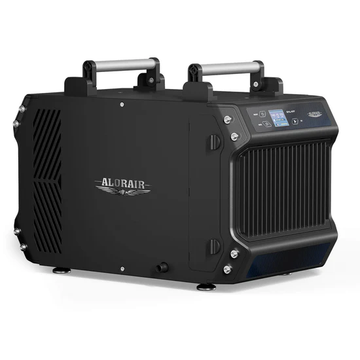
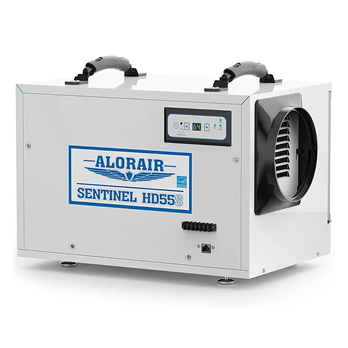
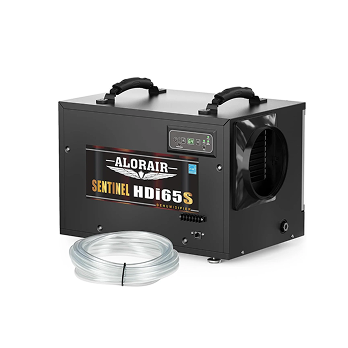
Ready to protect your home year-round? Explore AlorAir's complete line of crawl space and basement dehumidifiers designed for reliable operation even in cold winter conditions. With auto-defrost capability, Energy Star efficiency, built-in pumps for continuous drainage, and durable construction for 10-15+ year lifespans, AlorAir provides the professional-grade moisture control your home needs every month of the year.
Your basement's winter moisture problem won't fix itself—but proper dehumidification solves it automatically, protecting your investment and your family's health. Visit AlorAir today to find the right solution for your winter moisture challenges.


