
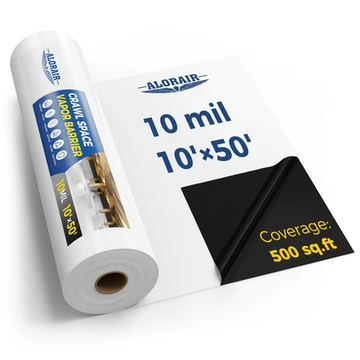



Crawl space encapsulation typically costs about $3,000 to $15,000, or approximately $3 to $10 per square foot, according to current national cost guides. A basic ground vapor barrier may cost less, while a project involving drainage, mold remediation, insulation, structural repairs or a dehumidifier can exceed the typical range.
The final price depends on the crawl space’s size, accessibility and existing condition, as well as what the contractor includes in the term “encapsulation.” Compare itemized quotes rather than total prices alone because one estimate may cover only the ground barrier while another includes wall sealing, vent closure, drainage and humidity control.
What Exactly Is Crawl Space Encapsulation?
Crawl space encapsulation is a moisture-control system that separates the crawl space from exposed soil and humid outdoor air. A complete system may include a reinforced vapor barrier across the ground and foundation walls, sealed seams and penetrations, closed vents, an improved access door, appropriate insulation and a method of controlling remaining humidity. Learn more about how a complete crawl space encapsulation system works.
Encapsulation is not the same as crawl space waterproofing and drainage. A vapor barrier limits water vapor, but it cannot stop bulk water entering through foundation leaks, poor grading or a high water table. Active water intrusion and drainage problems should be corrected before the crawl space is sealed.
Typical Cost Ranges & Per Square Foot Estimates

National cost guides generally place professional crawl space encapsulation at approximately $3,000 to $15,000, with an average near $5,500. Basic projects may fall below that range, while extensive drainage, mold remediation or structural repair can push the total above $15,000.
Installed prices commonly range from about $3 to $10 per square foot. However, cost per square foot should not be used without checking the scope. A quote for a ground vapor barrier alone is not equivalent to a quote that includes wall coverage, sealed vents, drainage, insulation and a dehumidifier.
For example, a 1,200-square-foot crawl space may cost approximately $3,600 to $12,000 using the broad $3-to-$10-per-square-foot planning range. Fixed expenses such as electrical work, access improvements, sump pumps and dehumidifiers mean the final price will not always scale directly with floor area.
The following estimates apply the broad national planning range of $3 to $10 per square foot. They are starting points rather than contractor quotes and may not include major repairs or drainage work.
| Crawl Space Size | Estimated Installed Cost |
|---|---|
| 500 sq. ft. | $1,500–$5,000 |
| 750 sq. ft. | $2,250–$7,500 |
| 1,000 sq. ft. | $3,000–$10,000 |
| 1,200 sq. ft. | $3,600–$12,000 |
| 1,500 sq. ft. | $4,500–$15,000 |
| 2,000 sq. ft. | $6,000–$20,000 |
Smaller projects may have a higher cost per square foot because expenses such as mobilization, electrical work, access-door improvements and dehumidifier installation do not decrease in proportion to the floor area.
What Drives the Cost: Materials vs Labor vs Add-Ons
Material Costs
Material costs depend on the barrier thickness, total ground and wall coverage, seam overlap, attachment method, vent sealing and insulation requirements. Vapor barriers are specified in mils, where 1 mil equals 0.001 inch; “12 mil” should not be confused with 12 millimeters.
For example:
-
Current national cost guides place vapor-barrier material at roughly $0.30 to $0.70 per square foot, depending on thickness and reinforcement. The installed price is higher because the contractor must prepare the surface, account for overlaps and waste, seal seams and penetrations, and attach the barrier to foundation walls and piers.
-
Insulation may add approximately $1 to $5 per square foot depending on the material, R-value, location and local code requirements. The appropriate insulation system should be selected for the building and climate rather than on price alone.
Labor and Condition of the Space
Labor may represent approximately 50% to 70% of a professionally installed encapsulation quote, although the percentage varies with project scope. Low clearance, narrow access, complex foundations, debris removal and extensive sealing around piers or utilities can substantially increase the number of labor hours.
Mold, pest, drainage and structural work should be listed separately from the basic encapsulation whenever possible. These repairs can add thousands of dollars, but their cost depends too heavily on severity and local labor rates to estimate accurately without an inspection.
Add-On Equipment & Drainage
Encapsulation quotes may also include work that is not part of the vapor-barrier installation itself. These additions should appear as separate line items so that homeowners can compare equivalent scopes of work.
A professionally installed crawl space dehumidifier may add approximately $800 to $3,000, depending on capacity, drainage, electrical access and installation requirements. Interior drainage systems commonly add about $800 to $4,000, while sump-pump, mold-remediation and structural-repair costs vary substantially by project.
Encapsulation should not be used to cover an unresolved bulk-water problem. If standing water enters through the foundation or ground, drainage, grading or sump work should be addressed before the space is sealed.

What Should an Itemized Encapsulation Quote Include?
Instead of estimating every component as a percentage of the final price, ask contractors to separate the following items in writing:
- Crawl-space inspection and moisture assessment
- Debris and old-insulation removal
- Mold, pest or structural treatment
- Ground and wall vapor-barrier coverage
- Barrier thickness and reinforcement
- Seam tape and wall-attachment method
- Vent and penetration sealing
- Access-door treatment
- Drainage and sump-pump work
- Insulation
- Dehumidifier and electrical work
- Permits, inspections and warranties
Two quotes should not be compared by total price until you confirm that they include the same floor and wall coverage, barrier thickness, preparation work, drainage, insulation and humidity-control equipment.
Dehumidifier + Encapsulation: How Much Extra?
Not every encapsulated crawl space automatically requires a dehumidifier, but one may be appropriate in humid climates or when relative humidity remains elevated after the ground, walls, vents and penetrations have been sealed. The system design, local climate and humidity measurements should guide the decision.
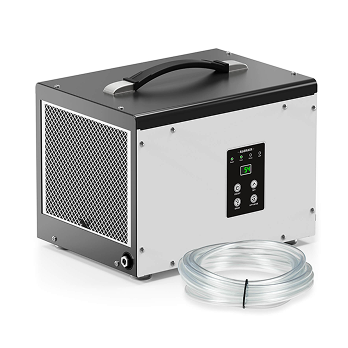
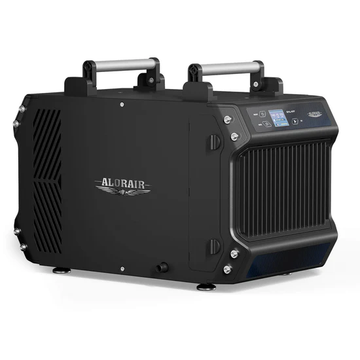
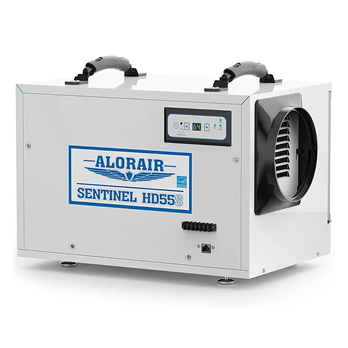
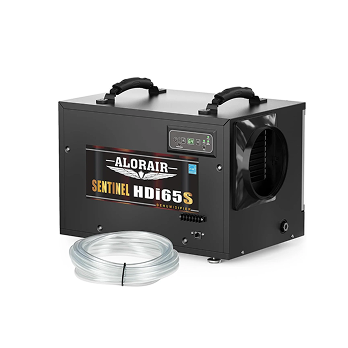
Budget approximately $800 to $3,000 for the unit and professional installation. A gravity-drain hose may add little to the project if a suitable drain is nearby, while a condensate pump, new receptacle, dedicated circuit or difficult drainage route can increase the installed price.
A vapor barrier reduces moisture entering from the ground, but it does not actively remove moisture already in the air. If humidity remains high, a properly sized dehumidifier may be used to maintain the recommended crawl space humidity range; it cannot replace drainage repairs or stop standing water.
What Can Increase Crawl Space Encapsulation Cost?
Several site conditions can increase crawl space encapsulation costs:
- A larger ground and foundation-wall area
- Low clearance, narrow entry points or difficult access
- Mold, pests, wood rot or structural damage
- Standing water or a high water table that requires drainage
- Thicker or reinforced vapor barriers
- Detailed wrapping around piers, columns and irregular foundations
- Higher local labor rates, permit fees and contractor demand
- Added equipment such as a dehumidifier, sump pump or dedicated electrical circuit
Local labor rates, permit requirements and contractor availability can create substantial regional differences. Compare at least three itemized local quotes based on the same scope instead of judging a proposal against a single national average.
Ways to Save on Encapsulation Cost
- Do initial cleanup yourself: remove debris, old insulation, etc, to reduce labor time.
- Choose barrier thickness/material wisely (balance cost vs durability).
- Ensure drainage and water issues are addressed first to avoid needing a full premium system.
- Get multiple quotes, ask itemised breakdown (materials vs labor vs add-ons).
- If space is in good condition (dry, minimal water intrusion) you might skip or downsize the dehumidifier or drainage system.
- Consider handling simple parts of the project yourself if the crawl space is safe and easy to access. A DIY crawl space encapsulation can reduce labor costs. However, standing water, extensive mold, structural damage, and electrical hazards should be handled by qualified professionals.
SuperBarrier Deluxe DIY Encapsulation Kit

For homeowners comparing DIY material costs, the AlorAir SuperBarrier Kit combines a nominal 1,000-square-foot roll of 12-mil vapor barrier with seam tape and fasteners. The roll’s listed square footage does not equal the exact crawl space size it can cover because wall coverage, piers, seams, overlaps and waste require additional material.
Before ordering, measure the crawl space floor, foundation walls, columns and other surfaces that will be wrapped. Add an allowance for overlaps and installation waste, and check what crawl space encapsulation kits include and how to choose one. Drainage, insulation, electrical work and humidity-control equipment are usually separate from the barrier kit.
Permits, Inspections and Ongoing Costs
Permit and inspection requirements vary by location and by the scope of electrical, drainage, insulation or structural work. Ask the contractor whether these fees are included in the estimate and confirm requirements with the local building department.
After installation, budget for periodic inspection of the barrier, seams, drainage system and humidity level. A dehumidifier also adds electricity, filter maintenance and eventual repair or replacement costs. These ongoing expenses depend on equipment efficiency, runtime, local electricity rates and site conditions, so they should not be presented as one universal annual amount.
Frequently Asked Questions
How much does it cost to encapsulate a 1,000 sq ft crawl space?
A 1,000-square-foot crawl space may cost approximately $3,000 to $10,000 to encapsulate using the broad national range of $3 to $10 per square foot. A basic ground barrier may cost less, while drainage, mold remediation, insulation, structural repairs or a dehumidifier can increase the total.
Is crawl space encapsulation worth the cost?
Crawl space encapsulation may be worth the cost when exposed soil, humid outdoor air or recurring condensation creates a measurable moisture problem. It is less likely to provide good value when the crawl space is already dry and the proposed system does not address the actual source of water.
Does an Encapsulated Crawl Space Need a Dehumidifier?
Not always. A dehumidifier may be necessary when relative humidity remains elevated after the crawl space is sealed, particularly in humid climates or homes with persistent moisture loads. The decision should be based on measured humidity, drainage conditions and the design of the encapsulation system.
Can I DIY and save money?
You can install materials yourself (barrier, tape) and save labor, but you must assess moisture/drainage sources properly. Poor DIY installation may lead to failure and higher costs later. Many experts recommend professional help for full encapsulation.
Conclusion
Crawl space encapsulation typically costs about $3,000 to $15,000, or approximately $3 to $10 per square foot, but the total depends on what the quote includes. A ground vapor barrier alone costs less than a complete system with wall coverage, vent sealing, insulation, drainage, remediation and humidity control.
Before accepting an estimate, identify the source of moisture and compare at least three itemized quotes based on the same scope. Confirm the barrier thickness and coverage, preparation work, drainage, insulation, electrical requirements, dehumidifier installation, permits and warranty. The lowest quote is not necessarily the least expensive if it leaves essential moisture or drainage work unresolved.


