



If you've ever woken up with itchy skin or a stuffy nose, you might have wondered: do dust mites bite? The truth may surprise you. Understanding dust mites, how to identify their presence, and most importantly, how to control them can dramatically improve your home's air quality and your family's health.
The Truth: Do Dust Mites Actually Bite?
No, dust mites do not bite. This is one of the most common misconceptions about these microscopic pests. Dust mites are not parasites that bite, sting, or burrow into our bodies. Unlike bedbugs or mosquitoes that feed on blood, dust mites have a completely different diet and behavior.
So why do people think they've been bitten by dust mites? The answer lies in allergic reactions. What people often mistake for dust mite bites are actually symptoms of a dust mite allergy, which can manifest as red, itchy skin rashes resembling eczema or bug bites. Allergic reactions typically occur within 15 minutes of exposure to dust mite proteins and may include skin discoloration or raised, round spots called wheals that look like bug bites.
What Are Dust Mites?
Dust mites are microscopic creatures that share your home, whether you like it or not. These tiny arachnids are relatives of spiders and ticks, featuring eight legs despite being far too small to see with the naked eye. A dust mite measures only about one-quarter to one-third of a millimeter, which means you could fit approximately 50 of them on the head of a pin.
How Dust Mites Live and Feed
Dust mites feed on dead human skin cells and thrive in warm, humid settings. This might sound disturbing, but it's simply part of their natural role in the ecosystem. The average person sheds about 1.5 grams of dead skin cells daily—enough to feed up to one million dust mites.
These creatures don't drink water like humans do. They absorb moisture from the air, which explains why humidity control is so critical for managing their populations.
Where Dust Mites Live
Dust mites make their homes in places where dead skin cells accumulate, including:
- Bedding and mattresses (where most exposure occurs during sleep)
- Pillows and cushions
- Upholstered furniture and sofas
- Carpets and rugs
- Curtains and drapes
- Stuffed animals and toys
- Clothing stored in closets
Your bedroom represents prime real estate for dust mites because it provides everything they need: warmth, humidity, darkness, and an abundant food supply from shed skin cells.
Why Dust Mites Cause Allergic Reactions
If dust mites don't bite, why do they cause so many health problems? The answer lies in what they leave behind. Dust mites have proteins in their feces and dead bodies, and your immune system views these substances as harmful invaders, responding to get them out of your body.
When you breathe in or come into contact with dust mite waste particles and dead body fragments, your immune system can overreact, triggering allergic symptoms. Approximately 20 million people in the United States have a dust mite allergy, making it one of the most common indoor allergies.
The allergic reaction occurs because your body responds by creating immunoglobulin E (IgE) antibodies to attack allergens, even though these allergens aren't actually harmful. This immune response causes the uncomfortable symptoms people associate with dust mite exposure.
How to Know If You Have Dust Mites: Common Signs and Symptoms

Recognizing Dust Mite Allergy Symptoms
Since you cannot see dust mites with your naked eye, you must rely on symptoms to determine their presence. Common dust mite allergy symptoms include:
Respiratory Symptoms:
- Sneezing (especially in the morning)
- Runny or stuffy nose
- Postnasal drip
- Coughing
- Itchy nose, roof of mouth, or throat
- Facial pressure and pain
Eye Symptoms:
- Red, watery, or itchy eyes
- Swollen, discolored skin around eyes
Skin Symptoms:
- Itchy, red rashes resembling eczema
- Dry, flaky skin patches
- Raised bumps that look like insect bites
Asthma-Related Symptoms:
- Wheezing and difficulty breathing
- Chest tightness or pain
- Shortness of breath
- Trouble sleeping due to breathing problems
When Symptoms Are Most Noticeable
Symptoms are likely to be worse while sleeping or cleaning, when dust mite allergens are more likely to be in the air. You may also notice your symptoms peak during hot, humid summer months when dust mite populations flourish.
If your allergy symptoms persist year-round rather than seasonally, dust mites are likely the culprit. An ongoing dust mite allergy can cause repeated sneezing and coughing, stuffy nose, facial pressure, and can cause a flare-up of eczema or severe asthma attacks.
Comparing Dust Mite Symptoms to Other Conditions
|
Condition |
Key Differences |
Duration |
|
Dust Mite Allergy |
Year-round symptoms, worse in bedroom and mornings |
Ongoing (chronic) |
|
Common Cold |
Includes fever, body aches, usually resolves in 7-10 days |
Temporary (1-2 weeks) |
|
Seasonal Allergies |
Symptoms appear during specific seasons (spring/fall) |
Seasonal |
|
Bedbug Bites |
Actual visible bite marks in linear patterns, bedbugs are visible |
Bite marks remain several days |
Ideal Conditions for Dust Mites
Understanding what dust mites need to survive helps you create an environment where they cannot thrive.
Temperature and Humidity Requirements
Dust mites thrive in temperatures of 68 to 77°F (20 to 25°C) and humidity levels of 70 to 80%. These are also the conditions most people find comfortable, which explains why dust mites coexist so successfully with humans.
Most dust mites die in low humidity levels or extreme temperatures, which provides the foundation for effective control strategies. However, even after they die, their bodies and waste continue to cause allergic reactions.
Geographic Considerations
Dust mites are found on every continent except Antarctica. In areas with low humidity, like deserts, dust mites cannot survive. However, even in dry climates, indoor environments with heating, cooling, and humidification can create suitable conditions for dust mites.
Homes in coastal regions, southern states, and areas with naturally high humidity face greater dust mite challenges. Basements and crawl spaces in these regions often maintain elevated humidity levels year-round, creating perfect breeding grounds for dust mites.
How to Reduce Dust Mites in Your Home
While it's nearly impossible to completely eliminate dust mites, you can dramatically reduce their numbers through targeted strategies focused on humidity control, cleaning practices, and environmental modifications.
Control Humidity Levels (Most Critical Step)
Why humidity control matters: Dust mites do not drink water like we do; they absorb moisture from the air. By reducing indoor humidity, you eliminate their water source.
Target humidity range: Maintain indoor relative humidity between 30-50%. Low humidity inhibits the reproduction and survival of the mites.
How to achieve it:
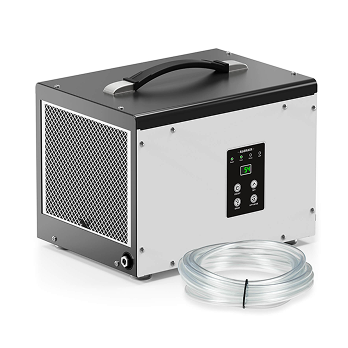
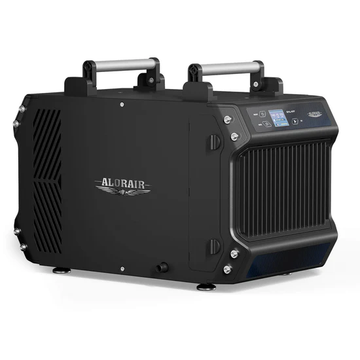
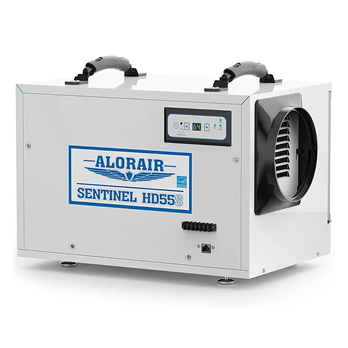
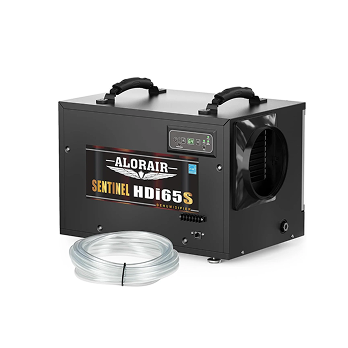
- Install a whole house dehumidifier for comprehensive moisture control
- Use basement dehumidifiers in below-grade spaces where humidity concentrates
- Run air conditioning during humid months
- Ensure proper ventilation throughout your home
- Monitor humidity levels with a hygrometer
For homes with persistent moisture issues in crawl spaces or basements, professional-grade dehumidifiers designed for these challenging environments provide the most effective solution. These units handle the unique demands of below-grade spaces, preventing moisture that feeds dust mite populations.
Target Bedding and Sleeping Areas
Your bed harbors the highest concentration of dust mites in your home. Implement these strategies:
Weekly Washing Protocol:
- Wash all bed linens, sheets, pillowcases, and blankets weekly in hot water (at least 130°F/60°C)
- Dry on the highest heat setting for at least 30 minutes
- If items cannot be washed in hot water, freeze them for 24 hours to kill dust mites
Protective Encasements:
- Cover mattresses, box springs, and pillows with zippered, allergen-proof covers
- Choose tightly woven fabrics with pores too small for dust mites and their waste to penetrate
- Replace covers if they become torn or damaged
Bedroom Environment:
- Remove unnecessary pillows and decorative bedding that collect dust
- Keep stuffed animals off beds or wash them weekly
- Choose washable curtains or blinds that can be cleaned regularly
Improve Air Filtration
Use high-efficiency particulate air (HEPA) filters in your ductwork and a vacuum with a HEPA bag or filter to effectively keep the dust down and trap allergens.
Whole-Home Solutions:
- Install MERV-11 or higher filters in your HVAC system
- Replace filters every 1-3 months depending on use
- Consider air purification systems for additional allergen capture
- Run your HVAC fan regularly to continuously filter air
Vacuuming Best Practices:
- Use only vacuums with HEPA filtration
- Vacuum carpets, rugs, and upholstered furniture twice weekly
- Move slowly to allow the vacuum to capture deep particles
- Empty vacuum canisters or replace bags outside to avoid reintroducing allergens
For optimal indoor air quality, pair dehumidification with proper air filtration. Understanding how dehumidifiers and air purifiers work together creates a comprehensive defense against dust mites and other allergens.
Modify Your Home Environment
Flooring Changes:
- Replace wall-to-wall carpeting with hardwood, tile, laminate, or vinyl flooring
- Remove area rugs or choose washable options
- Carpeting over concrete (common in basements) holds moisture—replace if possible
Furniture Considerations:
- Choose leather or vinyl-upholstered furniture over fabric
- Minimize plush, overstuffed furniture that harbors dust mites
- Clean furniture regularly with a HEPA vacuum
Window Treatments:
- Replace heavy drapes with washable curtains or blinds
- Dust blinds weekly with a damp cloth
- Avoid horizontal blinds that collect excessive dust
Decluttering:
- Remove items that collect dust: knick-knacks, books, magazines
- Store items in closed containers rather than open shelving
- Keep surfaces clear for easy cleaning
Implement Smart Cleaning Practices
Dust with a damp cloth or mop to keep dust down, as less dust flying through the air irritates airways less.
Daily and Weekly Cleaning:
- Dust surfaces with damp or microfiber cloths that trap particles
- Avoid dry dusting that sends allergens airborne
- Mop hard floors weekly with damp mops
- Clean bathroom and kitchen surfaces regularly to prevent moisture buildup
Deep Cleaning:
- Steam clean upholstered furniture quarterly
- Wash curtains according to manufacturer instructions
- Clean under beds and furniture where dust accumulates
- Address moisture issues immediately to prevent mold and dust mite proliferation
The Critical Role of Dehumidification in Dust Mite Control

Of all the strategies for reducing dust mites, maintaining proper humidity levels delivers the most significant impact. Dust mites cannot survive when humidity drops below 50%, making dehumidification the single most effective control measure.
Why Basements and Crawl Spaces Matter
Below-grade spaces present unique challenges for dust mite control. Ground moisture seeps through foundations, creating persistently humid conditions perfect for dust mite populations. Without proper moisture management, these areas become breeding grounds that affect your entire home's air quality.
Basement Humidity Challenges:
- Cool temperatures cause condensation on surfaces
- Limited ventilation traps moisture
- Foundation seepage introduces ground moisture
- Storage items provide ideal dust mite habitats
Crawl Space Concerns:
- Earth floors release moisture into enclosed spaces
- Poor ventilation allows humidity to concentrate
- Insulation and building materials absorb moisture
- Dust mites thrive in these dark, humid environments
Choosing the right dehumidifier size for your basement ensures adequate moisture removal to keep dust mite populations under control. For crawl spaces, compact yet powerful units designed for these challenging environments provide essential protection.
Whole-Home Dehumidification Benefits
For comprehensive dust mite control, whole house dehumidifiers offer superior advantages:
- Consistent humidity control throughout entire home
- Set-and-forget operation with automatic humidity monitoring
- Energy-efficient moisture removal
- Integration with existing HVAC systems
- Commercial-grade durability for long-term protection
By maintaining optimal humidity levels (40-50% RH), whole house dehumidifiers create an environment where dust mites cannot reproduce effectively, dramatically reducing populations over time.
When to Seek Medical Help
While most dust mite allergies can be managed with environmental controls and over-the-counter medications, some situations require professional medical attention.
Consult a Doctor If You Experience:
- Severe breathing difficulties or persistent wheezing
- Asthma symptoms that worsen or don't respond to usual treatments
- Chronic sinus infections or facial pain
- Sleep disruption due to breathing problems or allergic symptoms
- Symptoms that interfere with daily activities and quality of life
- Uncertainty about whether dust mites are causing your symptoms
Allergy Testing Options
Healthcare providers can confirm dust mite allergies through:
Skin Prick Testing: Small amounts of dust mite allergens are applied to your skin. A positive reaction appears as a raised, itchy bump within 15 minutes.
Blood Testing: Measures IgE antibodies specific to dust mite allergens in your blood sample. This option works well for people with skin conditions or those taking medications that interfere with skin testing.
Treatment Options
Medications:
- Antihistamines reduce sneezing, runny nose, and itching
- Nasal corticosteroids decrease nasal inflammation
- Decongestants provide temporary relief from stuffy nose
- Leukotriene modifiers block chemicals that cause allergy symptoms
Immunotherapy: For severe dust mite allergies, allergy shots or sublingual tablets can help your body become less sensitive to dust mite allergens over time.
Dust Mites vs. Other Pests: Key Differences
Understanding the differences between dust mites and other household pests helps you identify the real problem.
|
Feature |
Dust Mites |
Bed Bugs |
Fleas |
|
Visibility |
Microscopic, invisible to naked eye |
Visible (apple seed size) |
Visible (sesame seed size) |
|
Biting Behavior |
Do NOT bite |
Bite humans for blood |
Bite humans and pets |
|
Diet |
Dead skin cells |
Human blood |
Blood from mammals |
|
Bite Marks |
None (reactions are allergic) |
Linear patterns, usually 3 in a row |
Random, often on ankles/legs |
|
Reproduction |
Requires 70-80% humidity |
Any humidity level |
Prefers warm, humid areas |
|
Where They Live |
Deep in fabrics, mattresses |
Mattress seams, crevices |
Pet fur, carpets, bedding |
|
Control Method |
Humidity reduction, cleaning |
Professional extermination |
Insecticides, pet treatments |
If you're experiencing actual bite marks with visible insects, you're dealing with bed bugs or fleas, not dust mites. Conversely, if you have allergy symptoms without visible bites or insects, dust mites are likely the cause.
Long-Term Prevention Strategies
Controlling dust mites requires ongoing commitment, but the effort pays dividends in improved health and comfort.
Creating a Dust Mite Control Plan
Immediate Actions (Week 1):
- Purchase mattress and pillow encasements
- Begin weekly hot water washing of bedding
- Check indoor humidity levels with a hygrometer
- Install or upgrade to HEPA vacuum filters
Short-Term Improvements (Months 1-3):
- Install dehumidifiers in problem areas
- Replace HVAC filters with MERV-11 or higher
- Remove unnecessary carpeting, especially in bedrooms
- Declutter and minimize dust-collecting items
Long-Term Solutions (Ongoing):
- Maintain consistent humidity control year-round
- Continue weekly bedding washing routine
- Replace air filters on schedule
- Deep clean living spaces quarterly
- Monitor humidity levels regularly
Seasonal Considerations
Summer (High Humidity Season):
- Run dehumidifiers more frequently
- Increase air conditioning use
- Monitor basement and crawl space humidity
- Wash bedding in hot water without exception
Winter (Heating Season):
- Continue humidity monitoring (heating can dry air excessively)
- Maintain dehumidifier operation in basements
- Clean humidifiers if using them to prevent mold
- Vacuum more frequently due to increased indoor time
Spring and Fall (Transition Seasons):
- Deep clean home as temperatures moderate
- Inspect and service dehumidifiers before humid season
- Replace furnace and AC filters
- Wash curtains, stuffed toys, and other fabric items
The Bottom Line: Dust Mites and Your Health
Dust mites don't bite, but they can significantly impact your health and comfort through allergic reactions. The key to controlling dust mites lies in addressing their survival requirements—primarily humidity and food sources.
Key Takeaways:
- Dust mites do NOT bite—allergic reactions cause symptoms people mistake for bites
- Humidity control is the most effective prevention strategy—keep levels below 50%
- Weekly bedding washing in hot water kills dust mites and removes allergens
- HEPA filtration captures airborne dust mite particles
- Environmental modifications reduce dust mite habitats
- Professional dehumidification provides comprehensive, long-term protection
By implementing a comprehensive approach focused on moisture control, regular cleaning, and environmental modifications, you can dramatically reduce dust mite populations and minimize allergic reactions. For homes in humid climates or with chronic moisture issues, investing in professional-grade dehumidification equipment delivers the most effective, long-lasting protection against dust mites and the health problems they cause.
Remember, while complete elimination is virtually impossible, reducing dust mite populations to manageable levels through proper humidity control and cleaning practices can provide significant relief from allergy symptoms and create a healthier home environment for you and your family.


