




If you want to get rid of mold in your shower, start by checking where it is growing. Small patches on tile, grout, shower doors, and other hard surfaces can often be cleaned at home. Mold that keeps returning, covers a large area, or appears alongside soft drywall, loose tile, or a persistent musty smell may point to hidden moisture damage.
For a small surface problem, protect yourself, clean the affected material with an appropriate product, rinse when required, and dry the area completely. Then address the ventilation, standing water, failed caulk, or leak that allowed the mold to grow.
Cleaning removes the visible growth. Keeping the shower dry is what helps stop it from coming back.

What Causes Mold in the Shower?
Mold grows when moisture remains on a surface long enough to support it. In a shower, water can stay on grout, caulk, ceilings, door tracks, curtains, and corners long after the water has been turned off.
Poor ventilation slows drying, while soap residue and other organic material provide surfaces where mold can collect and grow. Leaking pipes, cracked grout, failed caulk, or water entering behind the tile can create a more serious hidden moisture problem.
If the mold returns soon after cleaning, do not assume that the cleaner failed. The shower may be staying wet for too long, or water may be entering an area that cannot dry properly.

Before You Start: Check the Size and Location
Look closely at the affected area before choosing a cleaner. Small patches on tile, glass, grout, and other accessible surfaces are different from mold growing behind tile or inside a wall.
Stop and consider professional help if:
- The affected area is larger than about 10 square feet
- Drywall feels soft, swollen, or damp
- Tile is loose or the wall sounds hollow
- A strong musty smell remains after cleaning
- Mold returns quickly in the same location
- Sewage or contaminated water is involved
The EPA states that homeowners can generally handle mold areas smaller than about 10 square feet, while larger or more complicated problems may require professional assessment. See the EPA guidance for home mold cleanup.
How to Get Rid of Mold in the Shower Step by Step
Step 1: Ventilate the Bathroom and Protect Yourself
Open a window if possible and run the bathroom exhaust fan. Keep children and pets away from the area while you clean.
Wear protective gloves, goggles that keep out dust and small particles, and at least a NIOSH-approved N95 respirator. Brushing grout or removing moldy caulk can disturb mold spores and fragments, so avoid working with bare hands or without respiratory protection.
People with asthma, chronic respiratory conditions, mold allergies, or weakened immune systems should not participate in mold cleanup. Review the CDC mold cleanup safety recommendations before beginning.
Do not start cleaning if the mold may be behind tile, inside drywall, or above the shower ceiling. Disturbing hidden growth without proper containment can spread mold spores and fragments into other areas.
Step 2: Choose a Cleaner That Is Safe for the Surface
For small amounts of mold on hard shower surfaces, the EPA recommends scrubbing with detergent and water and then drying the surface completely. This is a practical starting point for glazed tile, glass, and many shower fixtures.
Always check the manufacturer’s care instructions for both the shower surface and the cleaning product. Natural stone, colored grout, painted surfaces, metal finishes, acrylic, and fiberglass can react differently to acidic, abrasive, or chlorine-based cleaners.
White vinegar is commonly used for household cleaning, but it is not suitable for every material and should not be presented as a guaranteed mold treatment. If you are considering it, review whether vinegar can kill mold and where it should not be used.
Hydrogen peroxide and commercial bathroom mold cleaners may be appropriate for some surfaces. Follow the label for concentration, contact time, ventilation, rinsing, and protective equipment.
Diluted bleach may be used when the product label and surface manufacturer allow it. The CDC advises using no more than one cup of household bleach per gallon of water. Never mix bleach with ammonia, vinegar, acids, or any other cleaning product.
Step 3: Scrub, Rinse, and Dry the Surface
Apply the selected cleaner according to its label or instructions. Give it the required contact time instead of immediately wiping it away.
Use a non-abrasive brush or sponge that will not damage the shower surface. Pay close attention to grout lines, corners, door tracks, seals, and the joints around fixtures.
Rinse the surface when the cleaning instructions require it. Remove the remaining water with a squeegee, clean towel, or microfiber cloth, then keep the exhaust fan running until the shower is dry.
Do not describe a surface as dry only because it looks clean. Water can remain in grout lines, corners, tracks, and the joint behind damaged caulk.
How to Remove Mold From Different Shower Surfaces
Shower Tile and Glass
Small amounts of mold on glazed tile and glass can usually be scrubbed with detergent and water or a cleaner approved for that material. Use a non-abrasive sponge to avoid scratching glass, acrylic, or coated surfaces.
Rinse away the residue when required and dry the surface completely. Some staining or cosmetic damage may remain even after the mold has been cleaned. Watch the area for returning discoloration, moisture, or musty odors instead of assuming that every remaining stain is active mold.
Shower Grout
Grout is more porous than glazed tile, so staining may remain after surface cleaning. Use a grout brush and a cleaner approved for the grout type.
If the grout is cracked, loose, or repeatedly turns dark in the same area, water may be entering behind the tile. Damaged grout may need to be removed and replaced after the underlying area has been inspected and dried.
Avoid automatically applying bleach, vinegar, or abrasive powder without checking whether the grout is colored, sealed, or next to natural stone.
Shower Caulk
Light surface staining on caulk may improve after cleaning, but deeply embedded discoloration or mold that quickly returns often means the caulk needs to be replaced.
Remove the old caulk carefully, clean the joint, and allow it to dry completely. Do not apply new caulk over visible mold or a wet joint. Once dry, apply a bathroom-grade sealant that is suitable for the shower material.
If the wall behind the joint feels soft or damp, investigate for hidden water damage before resealing it.
Shower Curtains and Liners
Check the care label before cleaning a fabric shower curtain. Some can be machine-washed with regular detergent, while others require gentle hand cleaning.
A plastic liner with widespread staining, damaged seams, or a persistent odor may be easier to replace. Whichever option you choose, allow the curtain or liner to dry fully after each use.
Do not recommend soaking every curtain, bath mat, and rug in hot water and vinegar. Heat and acidic cleaners may damage some materials.
How to Keep Shower Mold From Coming Back
Cleaning alone will not solve the problem if the shower remains wet for hours afterward. Run the bathroom exhaust fan while showering and continue running it after you finish. The exact runtime depends on the fan, bathroom size, and humidity, so use the mirror, walls, and a hygrometer as practical checks.
The fan should move air outdoors rather than into an attic, ceiling cavity, or another enclosed space. If condensation remains for a long time, the fan may be undersized, blocked, dirty, or poorly vented.
Open the shower door or curtain after use so the wet interior can dry. If outdoor conditions allow, opening a window may also help, but it should not replace a properly vented exhaust fan.
Use a squeegee on tile and glass, hang towels and bath mats where they can dry, and remove standing water from door tracks and corners. These simple habits help the shower dry faster, leaving mold less time to grow.
Does a Dehumidifier Help Prevent Shower Mold?
A dehumidifier can help when high humidity affects several rooms or when the bathroom remains humid even after ventilation has been improved. It will not remove existing shower mold, repair failed caulk, or fix a plumbing leak.
Measure the humidity outside the immediate shower area rather than placing the hygrometer where it will be hit by steam or water. If several rooms regularly remain above 50% RH despite proper ventilation, broader moisture control may be worth considering. If humidity rises only while someone is showering and then drops again, the exhaust fan should usually be the first solution.
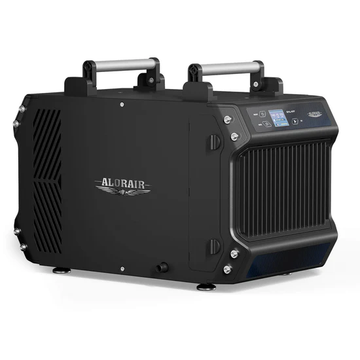
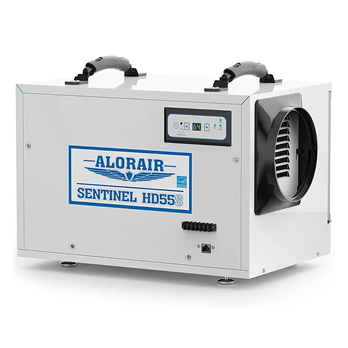
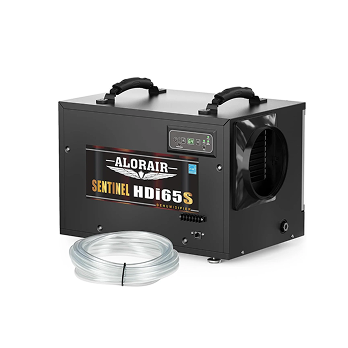
When excess humidity affects several areas of the home, a whole-house dehumidifier may provide more consistent control than placing a portable unit inside a small bathroom.
Check for Leaks and Hidden Moisture
Mold in one location does not always mean there is a hidden leak, but repeated growth deserves a closer look.
Check for dripping fixtures, failed caulk, cracked grout, loose tile, damaged seals, and moisture on the wall or floor outside the shower. A persistent musty smell, soft drywall, bubbling paint, or staining that returns soon after cleaning may indicate moisture behind the finished surface.
Contact a plumber, tile professional, mold professional, or building contractor when the source cannot be found or safely accessed. Cleaning the visible surface will not solve water entering behind the wall.
When Should You Call a Professional?
Consider professional assessment when the mold covers more than about 10 square feet, follows significant water damage, may be behind tile or inside drywall, or keeps returning after the suspected moisture source has been corrected.
You should also stop DIY cleaning if drywall is soft, tile is loose, the musty odor remains after cleaning, or contaminated water is involved.
People with asthma, chronic respiratory conditions, mold allergies, or weakened immune systems should avoid participating in mold cleanup. If anyone experiences breathing difficulty or other concerning symptoms, leave the affected area and contact a healthcare professional.
Professional remediation should address the moisture source and contaminated materials. It should not consist only of spraying or painting over visible mold.
The Bottom Line
You can often get rid of a small amount of shower mold by protecting yourself, cleaning the affected hard surface with an appropriate product, and drying it completely.
The method depends on where the mold is growing. Tile and glass can usually be cleaned, while deeply stained caulk, damaged grout, moldy porous materials, or wet drywall may need to be removed and replaced.
Once the visible mold is gone, focus on the cause. Run the exhaust fan, keep the shower open while it dries, remove standing water, and repair leaks or failed seals. If mold keeps returning, look beyond the surface instead of repeatedly applying stronger cleaners.
A dehumidifier may support broader moisture control when several rooms remain humid, but it cannot replace shower ventilation, cleaning, drying, or leak repair.
Frequently Asked Questions
What is the best way to get rid of mold in a shower?
For a small amount of mold on hard surfaces, protect yourself, scrub the area with detergent and water or another surface-approved cleaner, and dry it completely. Repair leaks and improve ventilation so the mold does not quickly return.
How do I remove mold from shower caulk?
Clean light surface staining with a product approved for the caulk. If the discoloration is deeply embedded or returns soon after cleaning, remove the old caulk, clean and dry the joint, and apply new bathroom-grade sealant.
Does bleach kill mold in the shower?
Bleach may be used on some suitable surfaces when the product label and surface manufacturer allow it. It should not be treated as the only solution, especially on porous or damaged materials. Never mix bleach with vinegar, ammonia, acids, or other cleaners.
Why does mold keep coming back in my shower?
The shower may be drying too slowly, the exhaust fan may not be effective, or water may be entering damaged grout, caulk, or the wall. Repeated growth means the moisture source still needs attention.
Is black mold in a shower always dangerous?
Color alone cannot identify the mold species or determine its health risk. Treat visible mold as a moisture problem, avoid unnecessary exposure, and seek professional help when the affected area is large or hidden damage is suspected.
Can a dehumidifier stop shower mold?
A dehumidifier may help when the entire home or several rooms remain humid. For short humidity spikes caused by showering, an exhaust fan that vents outdoors is usually the more direct solution.


