



We’ve all experienced that damp, sticky, just-walked-through-a-rainforest feeling when humidity gets out of control. But a clammy room alone does not prove that you need a dehumidifier.
You may need one if a hygrometer shows that relative humidity stays close to or above 60%, especially when you also notice persistent condensation, musty odors, or damp materials. If indoor RH remains between about 30% and 50%, a dehumidifier usually is not necessary. The EPA recommends keeping indoor humidity below 60% and ideally between 30% and 50%.
Before buying equipment, look for the moisture source. A dehumidifier controls water vapor in the air, but it cannot repair a leak, remove standing water, correct poor drainage, or replace an ineffective exhaust fan.
Measure the Humidity Before You Decide
The easiest way to find out whether you need a dehumidifier is to measure the room with a digital hygrometer. Place it away from windows, supply vents, exterior doors, showers, and the dehumidifier itself so that it reflects general room conditions rather than one unusually wet or dry location.
Record both temperature and relative humidity in the morning and evening for several days. If possible, include a rainy day or another period when the room normally feels damp. Measure basements, crawl spaces, and living areas separately because humidity can vary significantly between floors.
Use these ranges as general guidance:
- Below 30% RH: The room is already dry; do not run a dehumidifier.
- 30%–50% RH: Generally comfortable; dehumidification usually is not needed.
- 50%–60% RH: Monitor the pattern and look for moisture sources.
- Consistently above 60% RH: Investigate the cause and consider dehumidification after leaks and water entry have been addressed.
A brief spike after cooking or showering does not necessarily mean you need a dehumidifier. How long the humidity stays elevated matters more than a single reading.
Mold or Musty Odors Keep Returning
If you’ve got a mold problem that keeps coming back after cleanup, moisture is still present somewhere. High indoor humidity may be part of the problem, but recurring mold can also point to a plumbing leak, roof leak, condensation, wet drywall, foundation seepage, or another damp material.
A musty odor is another reason to investigate, even when you cannot see visible growth. Check the room’s humidity and inspect nearby walls, floors, cabinets, plumbing, and HVAC components before assuming that airborne humidity is the only cause.
A dehumidifier can make conditions less favorable for new mold growth by reducing excess moisture in the air. However, it does not kill existing mold, remove spores, or repair the source supporting the growth. Clean or remediate the affected material and correct the moisture problem first.
Your Home Continues to Feel Damp or Clammy
Walking into a house that feels as humid as the outdoors is uncomfortable, especially when the air conditioner is already running. A persistent clammy feeling can indicate elevated humidity, but temperature and airflow also affect how a room feels.
Sticking doors, swollen wood, peeling paint, damp fabrics, and musty odors can support the diagnosis, although none of these signs proves that humidity is the only problem. Peeling paint or a sticking door may also result from a local leak, poor ventilation, or material damage.
Check the room with a hygrometer. If RH remains elevated after leaks and ventilation problems have been addressed, a dehumidifier may improve comfort by removing excess moisture from the air.
Condensation Keeps Appearing on Multiple Surfaces
Condensation forms when moisture in the air reaches a surface that is cold enough for water vapor to become liquid. Persistent condensation on several windows, pipes, ducts, or walls may indicate that indoor humidity is too high.
However, condensation on a bathroom mirror after a shower or on one poorly insulated window does not automatically mean you need a dehumidifier. In those cases, better exhaust ventilation, insulation, or air sealing may be the more direct solution.
Measure RH near the affected area and in the center of the room. If several surfaces continue to collect moisture while indoor humidity remains elevated, a dehumidifier may reduce the likelihood of condensation. It will not correct an uninsulated pipe, cold bridge, or water leak.
The Space Is Still Damp After a Leak or Water Event
After a leak, burst pipe, heavy rain, or flood, porous materials such as drywall, wood, insulation, and carpet can hold moisture even after visible water is gone. As those materials release moisture, indoor humidity may remain high for days.
Stop the source and remove standing water before running a dehumidifier. Then expose or remove wet materials where appropriate and use controlled airflow to help moisture evaporate. A dehumidifier removes that moisture from the air, but drying progress should be confirmed with humidity and material-moisture readings rather than equipment runtime alone.
A small clean-water incident may be manageable with properly sized equipment. Sewage, contaminated floodwater, widespread saturation, electrical hazards, or structural damage should be handled by qualified professionals.
You Live in a Humid Climate—or Have a Naturally Damp Space
In the Southeast, along the Gulf Coast, and in many coastal areas, warm, moist outdoor air is part of life for much of the year. That outdoor moisture can enter through open windows, foundation vents, gaps, and frequently opened doors.
Basements and crawl spaces may remain damp even outside those regions because they are cooler, closer to the ground, and more likely to have limited airflow or foundation moisture. Measure these spaces separately instead of relying on the thermostat upstairs.
Climate alone does not prove that you need a dehumidifier. If humidity remains elevated after drainage, leaks, ventilation, and outdoor-air entry have been addressed, ongoing dehumidification may be appropriate. Compare your readings with the recommended crawl space humidity range before choosing equipment.
When You Probably Do Not Need a Dehumidifier
A dehumidifier is not necessary every time a room feels stuffy or shows temporary condensation. You probably do not need one when:
- Indoor RH generally remains between 30% and 50%.
- Humidity rises only briefly during cooking or showering.
- Condensation is limited to one cold or poorly insulated surface.
- The room already feels dry or RH is below 30%.
- An active leak or standing water is the main problem.
- A bathroom fan, range hood, or dryer vent needs repair.
If humidity remains high, identify what is causing high humidity in your house before increasing equipment capacity. Fixing the source may reduce or eliminate the need for additional dehumidification.
What Type of Dehumidifier Do You Need?
Once you have confirmed that humidity remains elevated, choose equipment based on where the problem occurs, how much of the home is affected, the moisture load, room temperature, and available drainage.
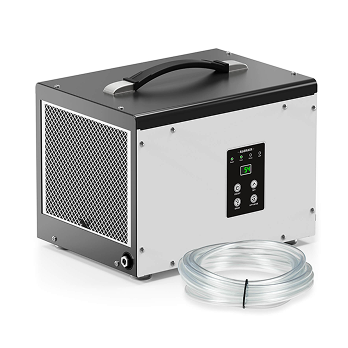
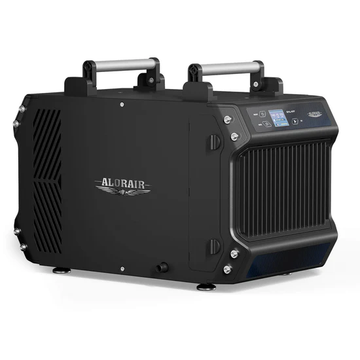
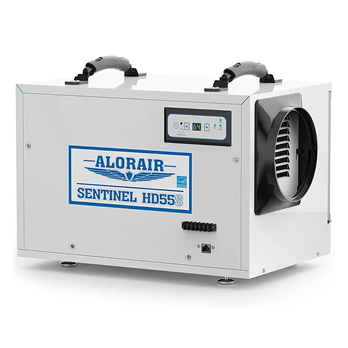
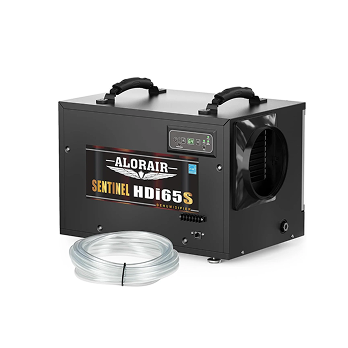
A portable dehumidifier may be enough for one ordinary living area. A basement or crawl space with recurring humidity usually benefits from equipment designed for continuous drainage, automatic defrost, lower-temperature operation, and unattended use. If several rooms remain humid after leaks, ventilation, drainage, and HVAC problems have been addressed, whole-house dehumidifiers may provide more consistent control through the HVAC system.
Do not rely on square footage or an advertised pint rating alone. Check whether moisture-removal capacity is measured under AHAM or saturation conditions, confirm the operating-temperature range, and determine whether gravity drainage or a condensate pump is needed. A built-in humidistat, auto-restart, accessible filter, and ENERGY STAR certification where available can also affect long-term convenience and operating costs.
The Bottom Line
Do you need a dehumidifier? Start with a hygrometer rather than relying on how the room feels. A dehumidifier may help when RH remains consistently above 60%, especially when persistent condensation, musty odors, or damp materials are present.
You may not need one if humidity stays within a normal range, rises only briefly after daily activities, or comes from a problem that requires repair. Stop leaks, remove standing water, correct drainage, and improve exhaust ventilation before expecting a dehumidifier to manage the remaining moisture.
Once the source is under control, choose equipment for the actual space and conditions. The goal is not to make the air as dry as possible; it is to maintain a stable humidity level without forcing the unit to fight an unresolved water source.
Frequently Asked Questions
How Do I Know If I Really Need a Dehumidifier?
Measure relative humidity with a digital hygrometer over several days. Persistent readings close to or above 60%, combined with condensation, musty odors, or damp materials, suggest that dehumidification may help after the moisture source has been addressed.
At What Humidity Level Should I Use a Dehumidifier?
Consider using one when indoor RH remains above the desired range and does not improve after ventilation, leaks, and water entry have been corrected. The EPA recommends keeping indoor RH below 60% and ideally between 30% and 50%.
Do I Need a Dehumidifier If I Have Air Conditioning?
Not necessarily. Air conditioning removes some moisture while cooling, but an oversized system, limited runtime, a drainage problem, or humid conditions between cooling cycles can leave the home clammy. Measure RH while the system is operating before deciding.
Will a Dehumidifier Kill Mold?
No. A dehumidifier reduces airborne moisture and can make conditions less favorable for new growth, but it does not kill existing mold or remove spores. Existing mold and the moisture source must be handled separately.
Do I Need a Dehumidifier After a Water Leak?
Possibly, but stop the leak and remove standing water first. A dehumidifier can support the drying process after those steps, especially when walls, flooring, wood, or insulation remain damp.
Should I Use a Dehumidifier in Winter?
Only when the specific space remains humid. Heated living areas may already be dry, while basements and crawl spaces can remain damp. Measure RH and confirm that the room temperature is within the unit’s operating range.


