
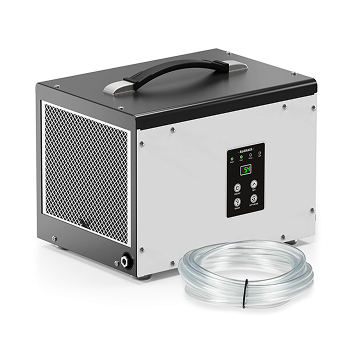
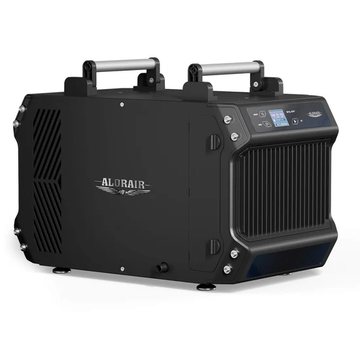
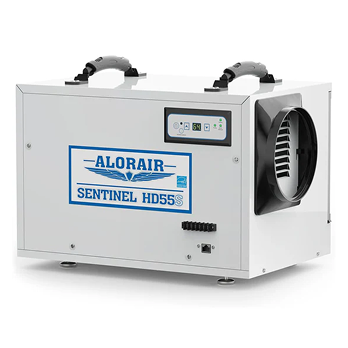
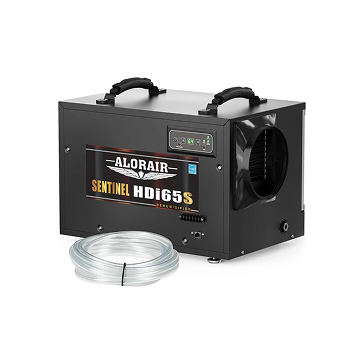



A dehumidifier can help dry wet carpet, but it cannot clean the carpet by itself. It removes water vapor from the air, making it easier for moisture in the carpet, padding, and subfloor to evaporate. You still need to stop the water source, extract standing water, clean the carpet when appropriate, and create airflow across the wet surface.
For a small clean-water spill or a recently cleaned carpet, a dehumidifier and fan may be enough to support drying. A soaked carpet, wet padding, contaminated floodwater, or moisture that has reached the subfloor may require professional extraction or replacement.
The sooner you act, the better. EPA guidance recommends drying carpet and backing within 24 to 48 hours whenever possible to reduce the risk of mold growth.
Can a Dehumidifier Actually Clean Carpet?
No. A dehumidifier does not remove dirt, stains, allergens, or mold from carpet fibers. It also cannot extract liquid water from a soaked carpet. Those jobs require vacuuming, carpet cleaning, water extraction, remediation, or material replacement, depending on the problem.
What a dehumidifier can do is lower the amount of water vapor in the room. As moisture evaporates from the carpet and padding, the unit removes that moisture from the air. This helps maintain the drying process and reduces the chance that humid air will slow evaporation or allow moisture to settle back into the materials.
Think of the dehumidifier as part of the drying system, not as the cleaning tool.
How Does a Dehumidifier Help Dry Wet Carpet?
A dehumidifier dries carpet indirectly. It does not pull water straight out of the carpet fibers.
The process works like this:
- Water is extracted from the carpet as thoroughly as possible.
- Air movement encourages the remaining moisture to evaporate.
- The moisture moves from the carpet and padding into the room air.
- The dehumidifier draws in that humid air and condenses the water vapor.
- Drier air returns to the room and can absorb more moisture from the wet materials.
Air movers and dehumidifiers perform different jobs. An air mover speeds evaporation across the carpet surface, while the dehumidifier removes the released moisture from the room. Using them together is generally more effective than relying on either one alone.
How to Use a Dehumidifier for Wet Carpet
1. Stop the Water Source and Check Safety
Stop the leak, overflow, or other source before setting up drying equipment. Do not place electrical equipment in standing water or connect it where outlets, cords, or circuits may be wet.
Identify where the water came from. A small amount of clean water from a supply line is different from sewage, storm flooding, or water containing chemicals. Do not run ordinary fans across contaminated materials because airflow may spread pollutants. Contact a restoration professional when the water source is contaminated or uncertain.
2. Extract Liquid Water First
Use towels for a very small spill or a wet/dry vacuum or water extractor for a larger clean-water incident. A dehumidifier removes moisture from air; it should not be expected to handle standing water or a fully saturated carpet by itself.
Move furniture out of the affected area when it is safe to do so. Check whether water has reached the padding, tack strips, baseboards, or subfloor. The top of the carpet may begin to feel dry while the layers underneath remain wet.
3. Add Airflow Across the Carpet
Position a fan or air mover so air travels across the wet surface rather than blowing straight down into one spot. This helps moisture evaporate from the fibers and padding.
Do not direct fans at visible mold or contaminated carpet. If the carpet has been wet for more than 48 hours, smells strongly musty, or shows mold growth, stop DIY drying and have the material evaluated.
4. Run the Dehumidifier in the Affected Room
Place the dehumidifier on a stable, dry surface with its intake and outlet unobstructed. Follow the manufacturer’s clearance and operating-temperature requirements.
Close exterior windows and doors while the equipment is running so the dehumidifier is not continually processing humid outdoor air. Empty the tank regularly or arrange continuous drainage if the unit will operate for long periods.
Do not automatically place the unit in the exact center of the room. Choose a location that provides open airflow, safe electrical access, and practical drainage.
5. Monitor the Carpet, Padding, and Subfloor
Use a hygrometer to monitor room humidity, but do not rely on RH alone to decide when drying is complete. Carpet fibers often dry before the padding or subfloor underneath them.
A moisture meter or professional moisture assessment provides better confirmation. Continue drying until readings are stable and comparable with unaffected materials, rather than stopping as soon as the carpet feels dry to the touch.

How Long Does a Dehumidifier Take to Dry Carpet?
There is no fixed drying time for every carpet. A lightly damp carpet after routine cleaning may dry within a day under favorable conditions, while saturated carpet, padding, and subfloor materials can take several days or may not be suitable for drying in place.
Drying time starts after the water source has been stopped and liquid water has been extracted. A larger dehumidifier does not eliminate the need for extraction, airflow, access to the padding, or moisture measurement.
The goal is to dry salvageable carpet and backing as quickly as possible—ideally within the 24-to-48-hour window identified in EPA guidance. Do not use the clock alone as proof that the materials are dry.
When Is a Dehumidifier Not Enough?
A dehumidifier should not be the only response when:
- Water is still standing on the carpet
- The carpet padding is saturated
- Water has reached walls, insulation, or the subfloor
- Sewage or contaminated floodwater is involved
- The affected area is large
- The carpet has remained wet for more than 48 hours
- Visible mold or a persistent musty odor has developed
- Moisture readings are not improving
- Electrical outlets or wiring may have been exposed to water
Floodwater can contain sewage, chemicals, debris, and disease-causing organisms. Porous materials exposed to contaminated water may need to be discarded rather than dried and reused. The CDC’s floodwater safety guidance provides additional precautions.
The Bottom Line
A dehumidifier can help dry wet carpet, but it does not clean the carpet or remove standing water. Extract liquid water first, create airflow across the wet surface, and use the dehumidifier to remove the moisture that evaporates into the room.
Small clean-water incidents may be manageable when addressed quickly. Saturated padding, contaminated water, visible mold, electrical hazards, or widespread water damage require professional evaluation.
Do not stop drying simply because the carpet surface feels dry. Check the padding and subfloor, monitor humidity and material moisture, and confirm that the water source has been fully corrected.
Frequently Asked Questions
Can a dehumidifier dry wet carpet by itself?
A dehumidifier can help dry wet carpet, but it usually works best after standing water has been extracted and a fan or air mover has been added. The dehumidifier removes moisture from the air rather than pulling liquid water directly from the carpet.
How long does it take to dry carpet with a dehumidifier?
There is no fixed drying time. Lightly damp carpet may dry within a day under favorable conditions, while saturated carpet, padding, and subfloor materials can take several days. Water extraction, airflow, room temperature, humidity, and the amount of water involved all affect drying time. Use moisture readings rather than time alone to determine whether the carpet is dry.
Will a dehumidifier dry carpet without fans?
It may, but drying will usually be slower and less even. A fan or air mover helps moisture evaporate from the carpet, while the dehumidifier removes that moisture from the room air. Only use fans after confirming that the water is clean and does not contain sewage or other contaminants.
Will a dehumidifier dry wet carpet padding?
A dehumidifier can support the drying process, but carpet padding may remain wet after the surface feels dry. Saturated padding may need to be exposed, professionally dried, or replaced. The subfloor should also be checked before drying equipment is removed.
When should wet carpet be replaced instead of dried?
Professional evaluation or replacement may be necessary when the carpet has been exposed to sewage or contaminated floodwater, has remained wet for more than 48 hours, shows visible mold, has damaged padding, or cannot be completely dried. Do not keep contaminated carpet simply because the surface feels dry.


